
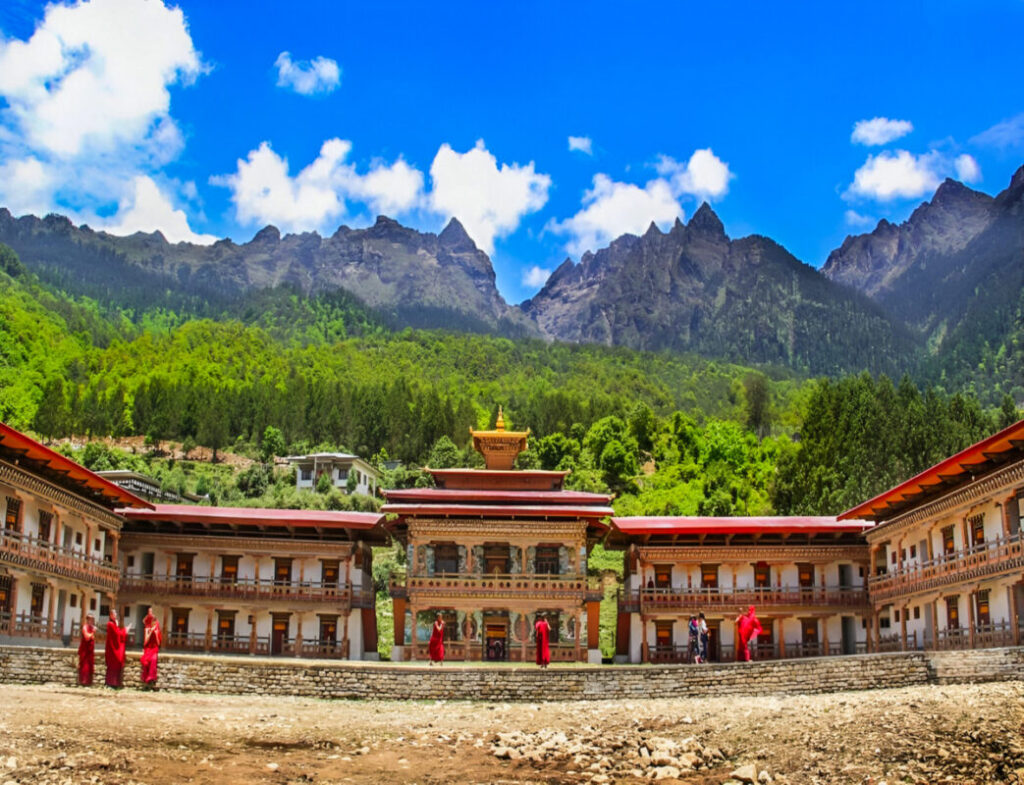
Nestled in the Eastern Himalayas, Bhutan is a land of stunning landscapes, rich culture, and deeply rooted spirituality. Known as the “Land of the Thunder Dragon,” this small kingdom offers a unique blend of ancient traditions and modern sensibilities. From towering monasteries perched on cliffs to lush green valleys dotted with prayer flags, Bhutan is a paradise for travelers seeking both adventure and serenity. The country’s commitment to Gross National Happiness and its well-preserved environment make it a truly exceptional destination. Whether you are drawn to its majestic mountains, vibrant festivals, or tranquil monasteries, a Bhutan tour promises an unforgettable journey into a mystical and enchanting world. Here we will discuss about the best tourist places to visit in Bhutan.
Best Season to Visit Bhutan
Spring (March to May)
- Floral Beauty: Thimphu comes alive with blooming rhododendrons and cherry blossoms, especially in parks like the Centenary Farmers Market area in Thimphu. This makes the valleys contenders among the top places to visit in Asia for the color lovers.
- Festival Season: Witness the colorful Punakha Tshechu and Paro Tsechu festivals, offering vibrant mask dances and cultural displays.
Summer (June to August)
- Lush Greenery: The valleys surrounding Thimphu are at their greenest, ideal for nature walks and hikes.
- Cultural Festivals: Experience local festivals like the Haa Summer Festival, celebrating Bhutanese culture and traditions.
Autumn (September to November)
- Clear Skies: Perfect weather for outdoor activities with clear views of the Himalayas from places like Buddha Dordenma.
- Thimphu Tshechu: Participate in the grand Thimphu Tshechu festival, featuring traditional mask dances and rituals.
Winter (December to February)
- Snowy Delight: Experience a serene winter wonderland with occasional snowfall, making places like Dochula Pass magical.
- Festive Cheer: Celebrate Losar, the Bhutanese New Year, with local festivities and cultural performances.
Read: Essential Travel Guide to Visit Bhutan from India
Best Places to Visit in Bhutan for Tourists
Thimphu
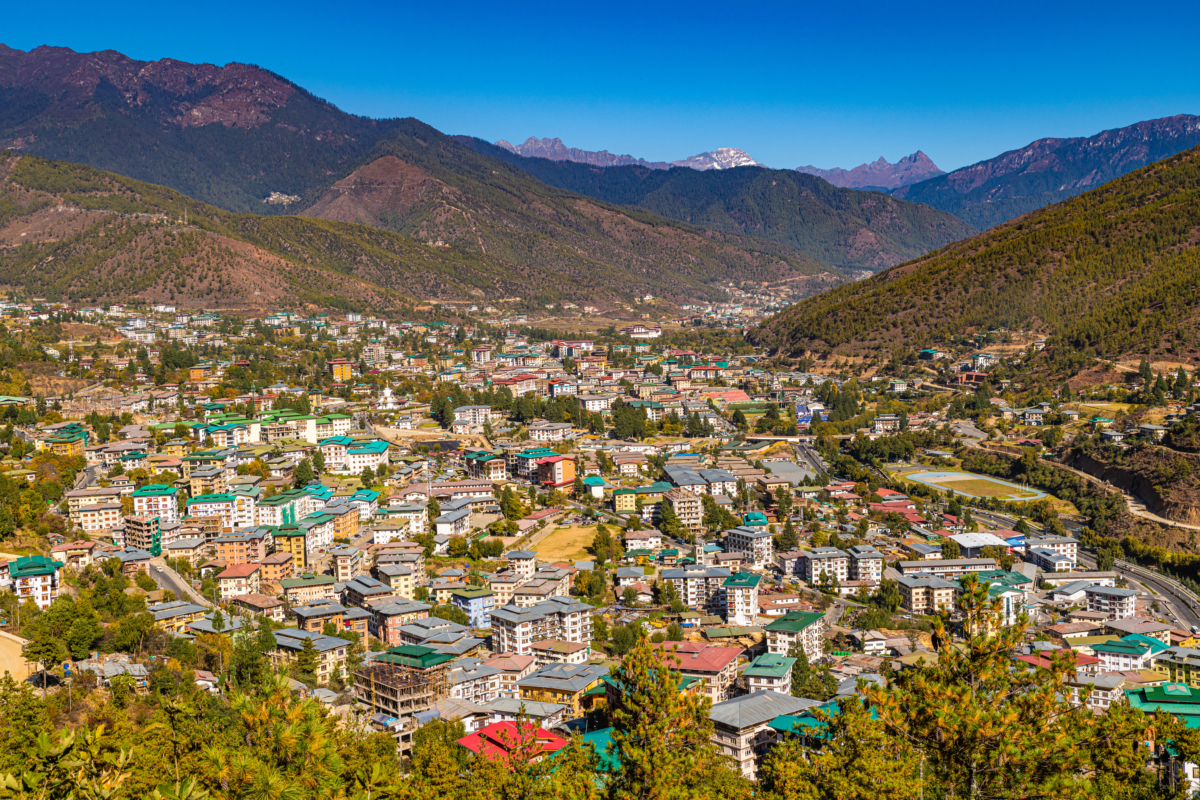
Thimphu, the capital city of Bhutan, is renowned for its unique blend of modern development and preserved traditional Bhutanese culture. It serves as the political, economic, and cultural heart of the country, offering visitors a deep dive into Bhutan’s rich heritage amidst its burgeoning urban landscape. [read more]
Places to Visit in Thimphu
Tashichho Dzong:
A majestic fortress that houses the throne room and offices of the king. It’s also the summer residence of the central monk body. This is one of the most visited religious places in Bhutan.
Buddha Dordenma:
A massive statue of Buddha Shakyamuni overlooking Thimphu Valley, offering panoramic views and a serene atmosphere.
Memorial Chorten:
A stupa dedicated to the third king of Bhutan, Jigme Dorji Wangchuck, where locals come to pray and circumambulate.
National Library of Bhutan:
Houses an extensive collection of Buddhist literature and manuscripts, including ancient texts and religious scriptures.
Changangkha Lhakhang:
An ancient temple perched on a hilltop, offering stunning views of Thimphu Valley and traditional Buddhist rituals.
Folk Heritage Museum:
Showcases traditional Bhutanese rural life through exhibits of artifacts, tools, and household items.
Motithang Takin Preserve:
Home to Bhutan’s national animal, the Takin, a unique and rare mammal found in the Himalayas.
Phobjikha Valley
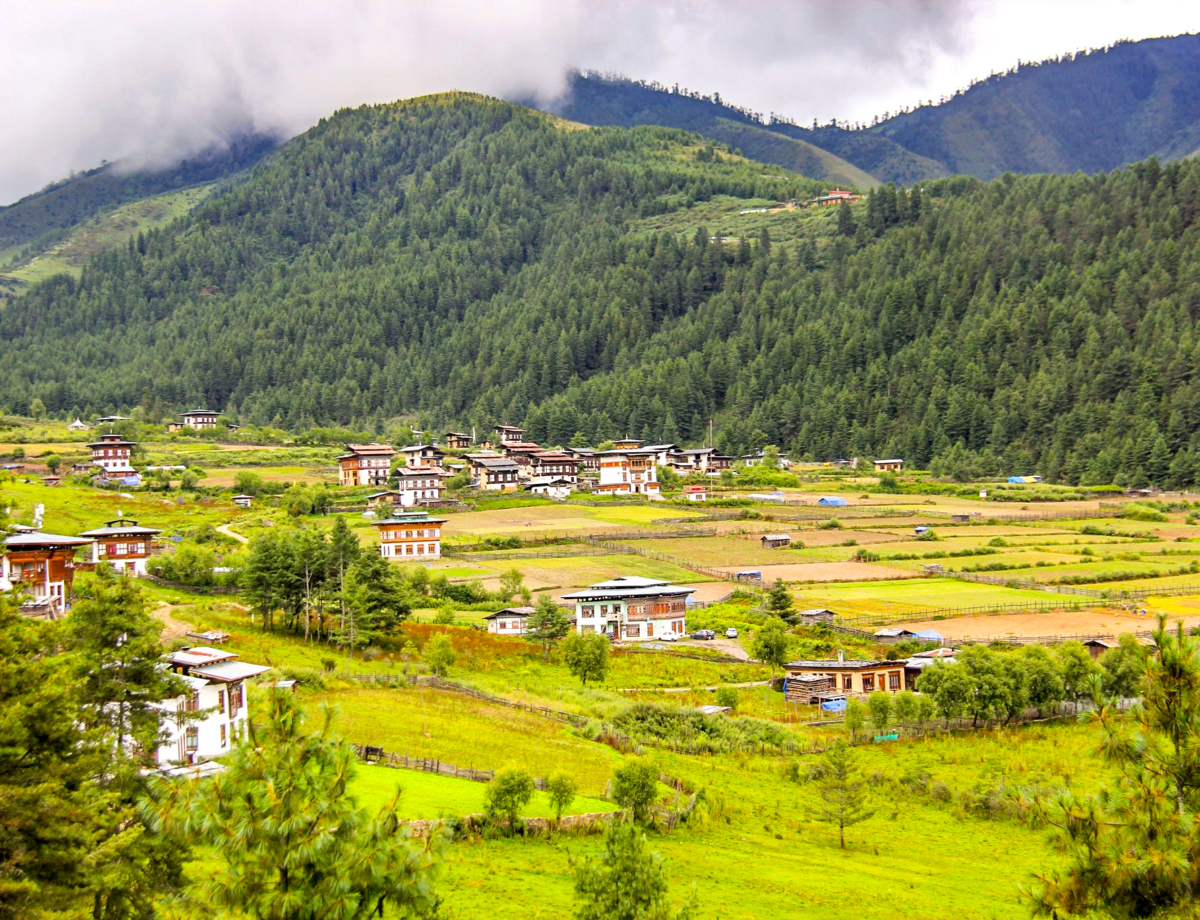
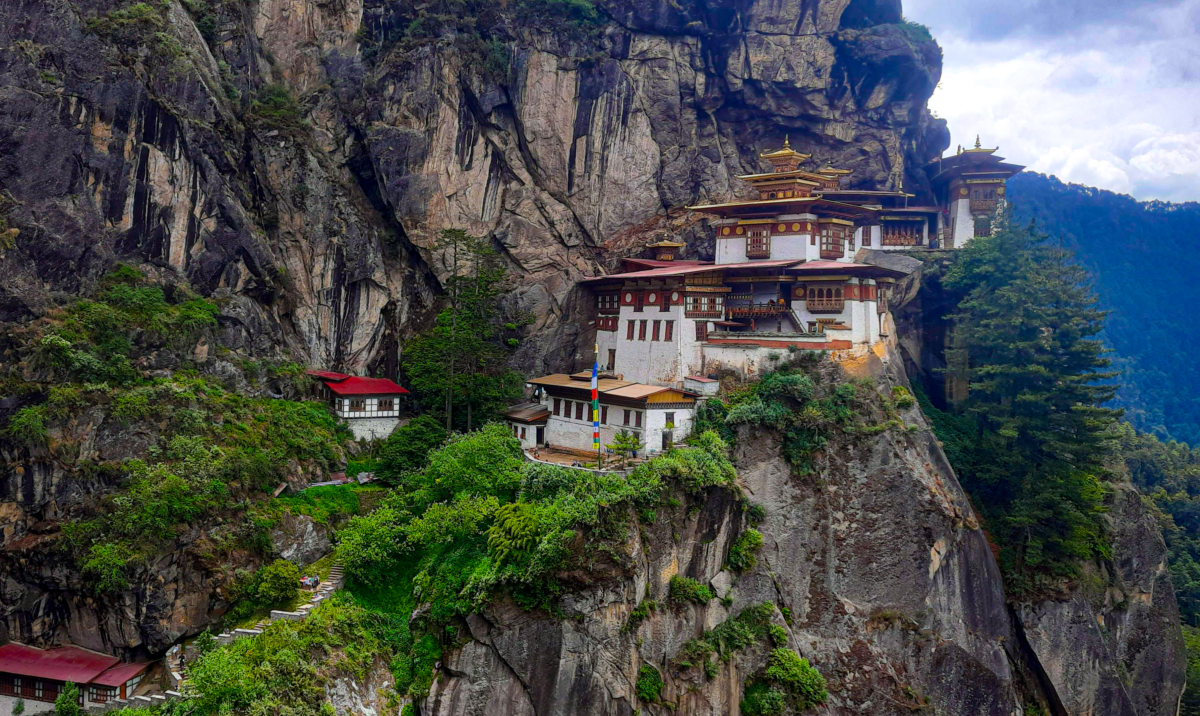
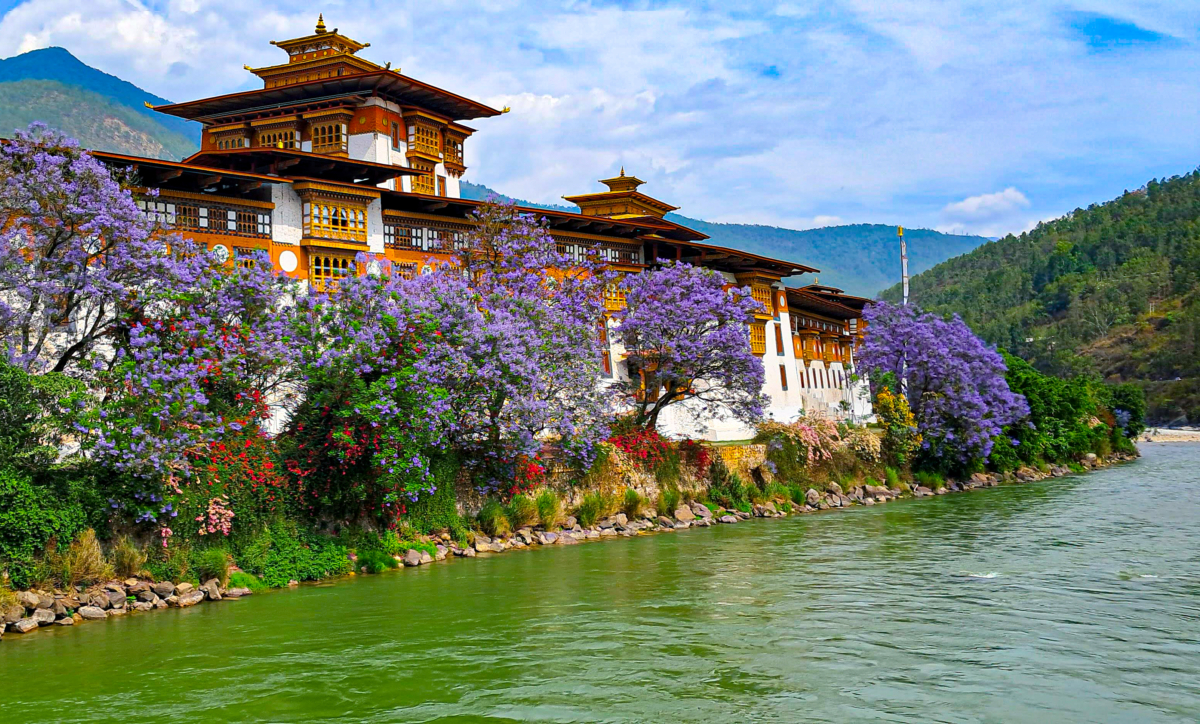
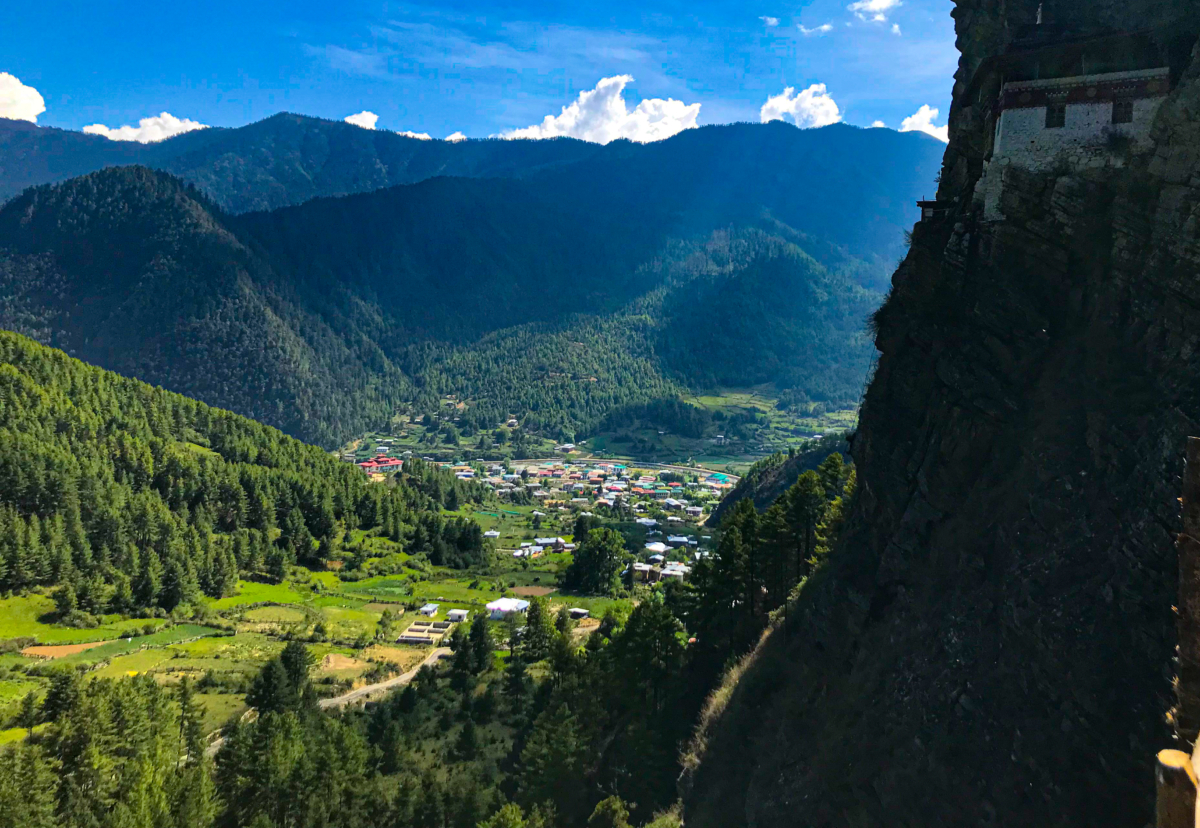
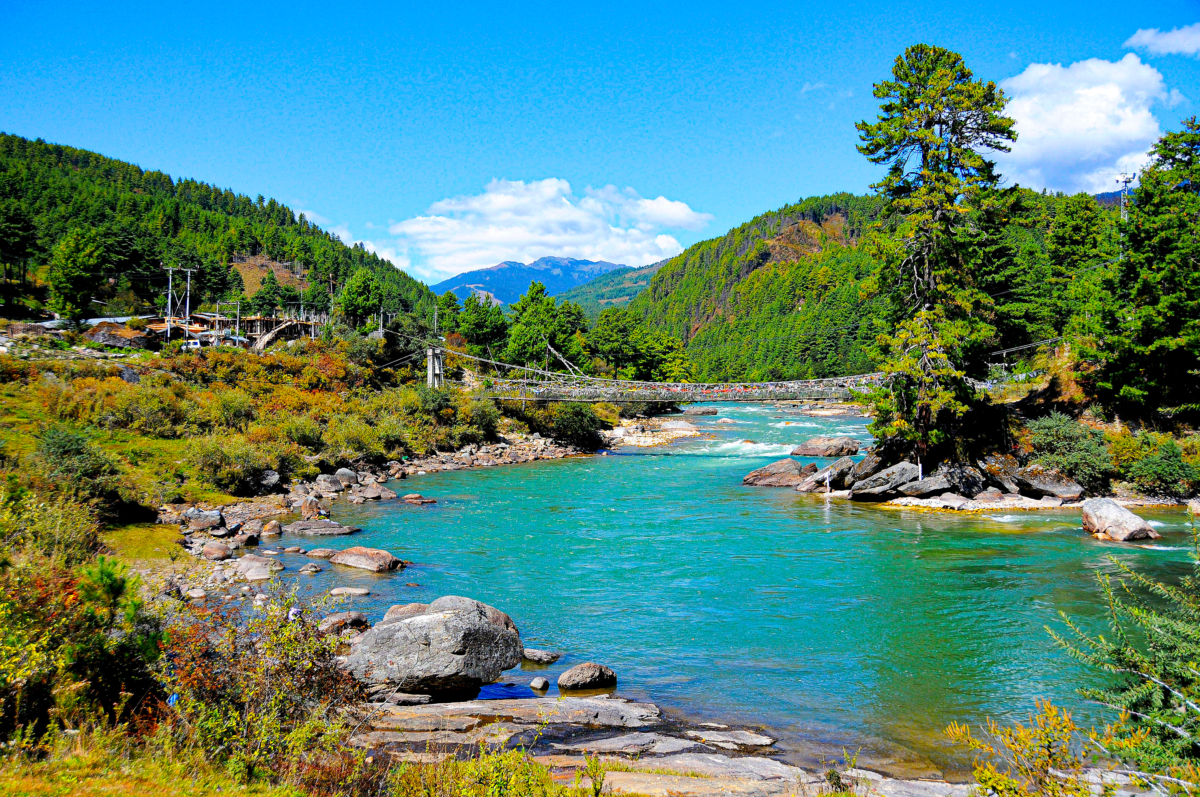
Phobjikha Valley, also known as Gangteng Valley, is famous for its natural beauty, serene environment, and being the winter home to endangered black-necked cranes. It is a designated conservation area, preserving its pristine landscapes and unique cultural traditions making it one of the most visited tourist place in Bhutan. [read more]
Season-Specific Attractions and Beauty
Autumn (September to November)
- Harvest Season: Experience the bustling activities in Phobjikha’s villages during the harvest of crops like potatoes and barley.
- Black-Necked Crane Festival: Attend the annual festival celebrating the conservation of black-necked cranes with cultural performances and crane dances.
Winter (December to February)
- Migratory Cranes: Witness the majestic black-necked cranes from Tibet as they arrive in Phobjikha Valley, seeking warmer winter habitats.
- Snow-Covered Valley: Embrace the tranquility of winter with occasional snowfall, enhancing the beauty of the valley.
Gangtey Monastery (Gangtey Gonpa):
An important monastery of the Nyingma school of Buddhism, offering panoramic views of the valley and surrounding mountains.
Black-Necked Crane Information Centre:
Learn about the endangered black-necked cranes, their habitat, and conservation efforts in Phobjikha Valley.
Nature Trails:
Explore hiking trails around the valley, offering opportunities to observe wildlife, including birds and Himalayan flora.
How to Reach Phobjikha Valley (from Thimphu)
By Road
- Distance: Approximately 135 km from Thimphu to Phobjikha Valley.
- Travel Time: About 4 to 5 hours by road, passing through scenic mountainous terrain.
- Transport Options: Taxis and private cars are available. The cost for a taxi from Thimphu to Phobjikha Valley is around 5,000 INR (70 USD) to 7,000 INR (95 USD) one way.
Accommodation Options and Budgets
Accommodation in Phobjikha Valley ranges from cozy guesthouses to upscale lodges, offering tranquil stays amidst nature:
- Guesthouses and Farm Stays: Experience local hospitality with basic amenities, starting from 2,500 INR (35 USD) per night.
- Lodges and Eco-Resorts: Comfortable accommodations with eco-friendly practices and scenic views, starting from 5,000 INR (70 USD) per night.
- Luxury Retreats: Exclusive lodges and resorts offering luxurious stays with spa facilities and gourmet dining, starting from 15,000 INR (200 USD) per night. [/read]
Gasa
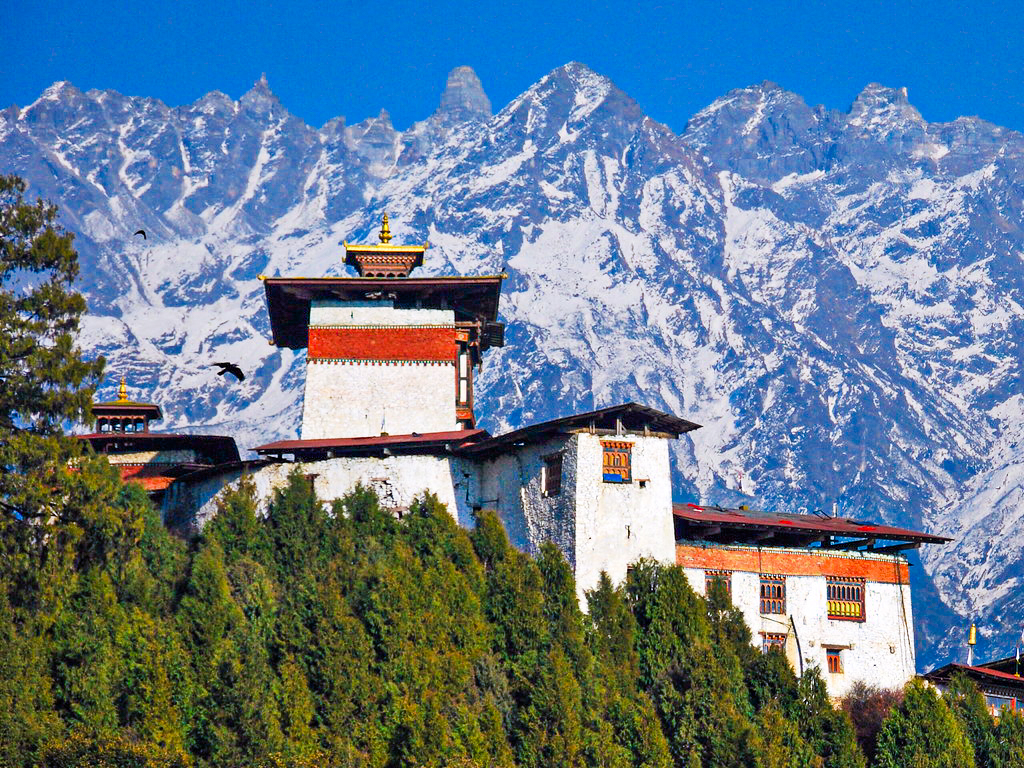
Gasa, located in northern Bhutan, is a hidden treasure known for its pristine environment, rich cultural heritage, and breathtaking landscapes. Perched high in the Himalayas, it offers an unspoiled escape for those seeking tranquility and natural beauty. Gasa is home to the renowned Gasa Dzong, a majestic fortress overlooking the Mo Chhu river, and the famous Gasa Tshachu hot springs, revered for their medicinal properties. The district also hosts the expansive Jigme Dorji National Park, Bhutan’s largest, providing visitors with opportunities for trekking, wildlife exploration, and encounters with diverse flora and fauna. Gasa is remote and less frequented by tourists, making it an ideal destination for adventurers and those looking to experience Bhutan’s untouched wilderness. With its natural hot springs, scenic treks, and historical sites, Gasa offers an enriching and rejuvenating experience for every traveler. Gasa also serves as the gateway to the Laya Trek, a popular and scenic high-altitude trek offering stunning views of the Himalayas and a chance to explore the remote Laya village. [read more]
Gasa Dzong:
Gasa Dzong, perched high above the Mo Chhu river, is a 17th-century fortress with a rich history. Known for its strategic location, the dzong offers panoramic views of the surrounding mountains and valleys, making it a must-visit for history enthusiasts and lovers of Bhutanese architecture.
Gasa Tshachu (Hot Springs):
Gasa Tshachu is a series of natural hot springs nestled in the mountains, renowned for their therapeutic properties. Accessible by road, these springs are a popular destination for both locals and tourists seeking healing and relaxation, offering a rejuvenating experience in a serene, scenic environment.
Damji Village:
A charming village accessible by road, Damji offers stunning views of lush valleys and terraced fields. It’s a peaceful stop for travelers on their way to Gasa Dzong and Gasa Tshachu. The village is ideal for those wanting to experience traditional Bhutanese rural life.
Koina:
Koina is a scenic stop along the motorable route to Gasa, offering breathtaking views of Bhutan’s mountainous landscape. Known as a rest point for trekkers, it is also a place to experience Bhutan’s remote beauty and tranquility, surrounded by thick forests and flowing rivers.
Tashithang:
Tashithang is a serene destination located within Jigme Dorji National Park, accessible by a motorable road. It’s the starting point for many treks into the park but is also great for nature lovers seeking wildlife sightings or peaceful moments by the riverside, surrounded by nature’s beauty.
Jigme Dorji National Park:
As Bhutan’s largest national park, Jigme Dorji National Park is a biodiversity hotspot that spans several districts, including Gasa. The park is home to rare and endangered species such as the snow leopard, blue sheep, and red panda. The region’s rich flora and fauna, coupled with stunning landscapes of mountains, rivers, and glaciers, make it ideal for trekking, wildlife enthusiasts, and eco-tourism. The famous Snowman Trek, one of the world’s toughest treks, passes through the park, offering adventure seekers a challenging yet rewarding journey.
Laya Village:
Nestled high in the mountains, Laya is a picturesque village known for its unique culture and traditional Layap people, who wear distinctive conical bamboo hats. This remote village can only be reached by trekking, making it a fascinating destination for trekkers interested in experiencing authentic Bhutanese culture in an isolated setting. Laya is also a major stop on the Snowman Trek and offers panoramic views of the Himalayan ranges.
Lunana:
Lunana, located even further into the Himalayan wilderness, is a region famed for its glacial lakes, high-altitude landscapes, and the ancient traditions of its people. It is one of the most remote and challenging regions to access in Bhutan, offering a sense of adventure and exclusivity for those who make the journey. The trek to Lunana is one of the most arduous in Bhutan, but the scenic beauty and tranquility it offers are truly unmatched.
Goen Tshephu:
Goen Tshephu, a sacred site in Gasa, is located deep within the forests, known for its spiritual significance and peaceful environment. It is believed that the waters at this site have healing powers, attracting both locals and visitors who seek blessings and rejuvenation. The site is closely connected to Bhutan’s rich Buddhist traditions and offers an opportunity for spiritual reflection.
Best Time to Visit Gasa
The ideal time to visit Gasa is between March and October when the weather is pleasant and suitable for trekking and outdoor activities. Spring (March-May) brings vibrant blooms and wildlife, while autumn (September-October) offers clear skies and stunning views of the Himalayas. Winter (November-February) can be harsh due to snowfall, but for those who enjoy cold weather and want to experience Gasa’s natural hot springs, it can be a serene and less crowded time to visit.
How to Reach Gasa
Gasa is accessible by road from Bhutan’s capital, Thimphu. The journey takes approximately 6-8 hours by car, with scenic routes passing through mountain roads and lush valleys. Public buses and private taxis are available from Thimphu, making Gasa reachable for tourists seeking to venture off the beaten path. For trekking enthusiasts, Gasa can also be reached as part of the Laya-Gasa Trek, starting from Punakha or Thimphu, providing an immersive experience through the Himalayan wilderness.
Accommodation Options in Gasa: Accommodation options in Gasa are limited but provide serene stays surrounded by nature. Visitors can choose from guesthouses and farm stays, offering a chance to experience local hospitality with basic amenities, starting at around 2,500 INR (35 USD) per night. For those seeking more comfort, hotels and lodges with scenic views and convenient proximity to Gasa Dzong and the hot springs are available, starting at 5,000 INR (70 USD) per night. Adventure enthusiasts can opt for camping in designated areas or stay in eco-lodges, which promote sustainable tourism and offer a more immersive experience, with rates starting at 3,000 INR (40 USD) per night. These options cater to a range of budgets while ensuring a tranquil retreat in Bhutan’s beautiful landscapes.[/read]
Trongsa
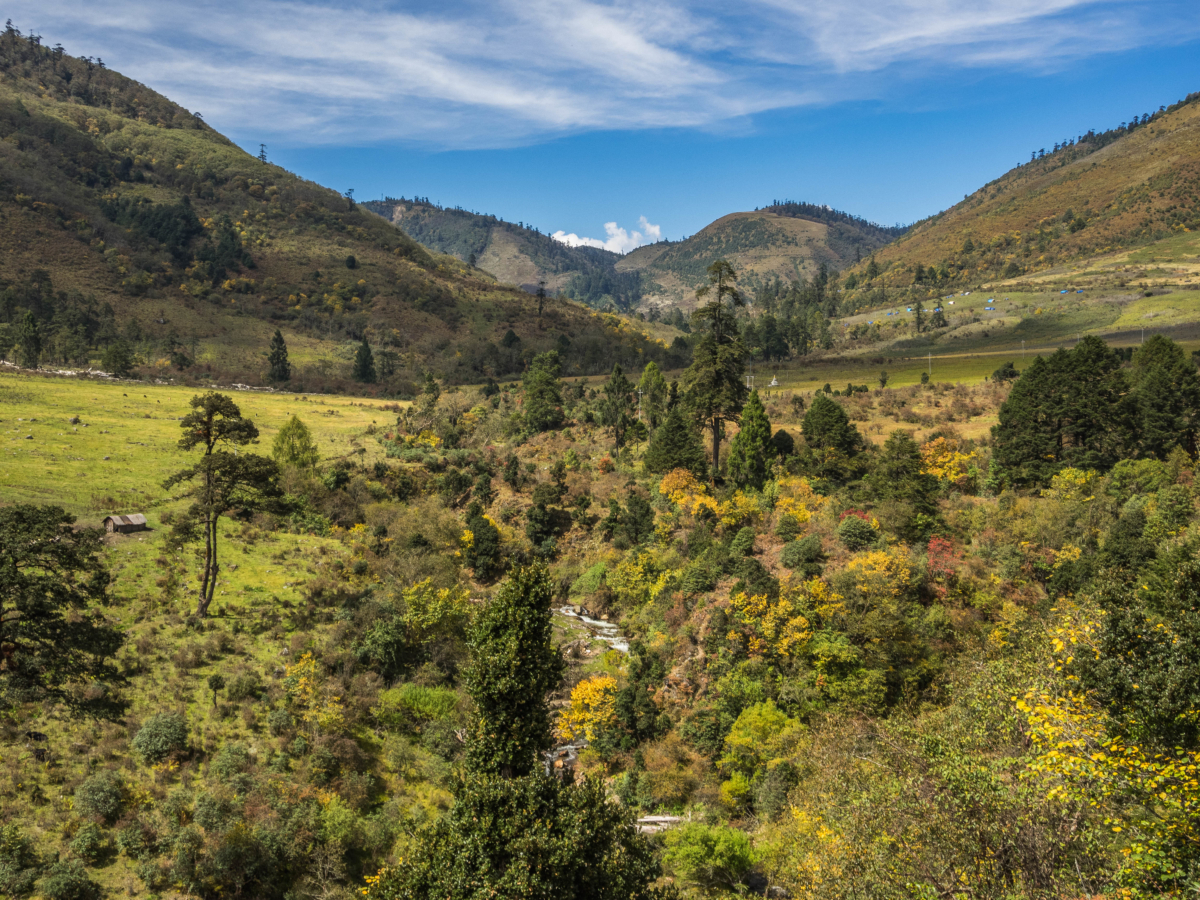
Trongsa, located in central Bhutan, is famous for its strategic dzong (fortress), historical significance, and being the ancestral home of Bhutan’s royal family. It holds a central position in Bhutanese history as the birthplace of the monarchy and served as the seat of power over centuries. [read more]
Sightseeing Places in Trongsa
Trongsa Dzong:
A fortress strategically perched on a hilltop, offering panoramic views of the Mangde Chhu river valley and housing administrative offices and monastic quarters.
Ta Dzong (Watchtower):
Converted into the Tower of Trongsa Museum, it exhibits artifacts, weaponry, and historical relics showcasing Bhutan’s royal legacy and cultural heritage.
Kuenga Rabten Palace:
A palace built by the first king of Bhutan, Ugyen Wangchuck, offering insights into Bhutanese royal history and architecture.
How to Reach Trongsa (from Thimphu)
By Road
- Distance: Approximately 200 km from Thimphu to Trongsa.
- Travel Time: About 6 to 7 hours by road, passing through scenic mountainous terrain and agricultural landscapes.
- Transport Options: Taxis and private cars are available. The cost for a taxi from Thimphu to Trongsa is around 8,000 INR (110 USD) to 10,000 INR (140 USD) one way.
By Air
- From Paro International Airport: Paro Airport is Bhutan’s only international airport. Travelers can take a domestic flight to Bathpalathang Airport in Bumthang and then travel by road to Trongsa.
Accommodation Options and Budgets
Trongsa offers a range of accommodation options suitable for different budgets:
- Guesthouses and Budget Hotels: Starting from 2,500 INR (35 USD) per night, offering basic amenities and local hospitality.
- Mid-Range Hotels and Resorts: Comfortable accommodations with scenic views and modern amenities, starting from 5,000 INR (70 USD) per night.
- Luxury Lodges and Heritage Hotels: Exclusive stays with luxurious amenities and historical ambiance, starting from 15,000 INR (200 USD) per night. [/read]
Lhuntse
Lhuentse District in Bhutan offers a blend of cultural heritage and pristine landscapes, making it a perfect offbeat destination. Its dramatic cliffs, deep river gorges, and historic fortresses like Lhuentse Dzong highlight the region’s rich history. The district is also the heart of Bhutanese textile weaving, with Khoma village renowned for its intricate Kishuthara fabrics. Traditional craftsmanship extends to pottery, preserving age-old skills. With its lush forests, diverse birdlife, and scenic trails, Lhuentse provides a serene escape for nature lovers, trekkers, and those seeking an authentic experience in Eastern Bhutan. [read more]
Season-Specific Attractions and Beauty
Spring (March to May)
- Blooming Flora: The region comes alive with blooming rhododendrons and wildflowers, offering stunning vistas and vibrant colors.
- Festivals: Experience local festivals such as Kurtoe Tshechu, featuring traditional dances and rituals.
Summer (June to August)
- Lush Greenery: Enjoy the lush green landscapes and the refreshing monsoon rains, ideal for nature walks and exploring remote villages.
- Cultural Immersion: Visit traditional weaving centers and learn about the famous Kushutara, the intricate hand-woven textile of Lhuntse.
Autumn (September to November)
- Clear Skies: Perfect weather for trekking and exploring historical sites, with clear views of the surrounding mountains.
- Harvest Season: Witness the agricultural activities and partake in local harvest festivals.
Winter (December to February)
- Tranquil Beauty: Experience the serene beauty of snow-capped peaks and peaceful valleys, ideal for a quiet retreat.
- Cultural Visits: Explore the ancient monasteries and dzongs without the crowds, enjoying a more intimate cultural experience.
Sightseeing Points in Lhuntse
Lhuntse Dzong:
A majestic fortress perched on a ridge overlooking the Kurichhu River, known for its historical significance and stunning architecture.
Khoma Village:
Famous for its traditional weaving of Kushutara, visitors can see artisans at work and purchase these exquisite textiles. Khoma is a must-visit place in Bhutan.
Singye Dzong:
Singye Dzong, a revered spiritual site in Bhutan, lies deep in the mountains of Lhuentse, accessible via a three-day trek from Khoma Village. Encircled by alpine forests, glacial rivers, and towering peaks, it holds deep ties to Guru Rinpoche. Pilgrims visit its eight sacred sites for meditation and blessings. The journey through pristine landscapes, blooming rhododendrons, and high-altitude meadows adds to its allure. Best visited between September and October, it offers a profound blend of spiritual fulfillment and breathtaking Himalayan scenery.
Jangchubling Monastery:
An ancient monastery offering spiritual tranquility and panoramic views of the valley.
Gangzur Village:
Known for its pottery, where visitors can observe traditional pottery-making techniques and try their hand at crafting.
Takila
The world’s largest statue of Guru Padmasambhava, towering at 173 feet, stands at Takila in Lhuentse District, Bhutan. Overlooking the serene Tangmachu Valley, this colossal monument is a significant spiritual landmark, drawing pilgrims and visitors alike. Surrounded by pristine landscapes, the site offers a tranquil retreat, blending Bhutan’s religious heritage with breathtaking natural beauty.
How to Reach Lhuntse (from Thimphu)
By Road
- Distance: Approximately 450 km from Thimphu to Lhuntse.
- Travel Time: About 12 to 14 hours by road, passing through scenic landscapes and rural areas.
- Transport Options: Taxis and private cars are available. The cost for a taxi from Thimphu to Lhuntse is around 15,000 INR (210 USD) to 18,000 INR (250 USD) one way.
By Air
- From Paro International Airport: Paro Airport is Bhutan’s only international airport. Travelers can fly to Yongphula Domestic Airport and then take a road trip to Lhuntse.
By Train
- From Thimphu: Bhutan does not have a railway network, so train travel within Bhutan is not possible.
Accommodation Options and Budgets
Lhuntse offers limited but comfortable accommodation options suitable for different budgets:
- Guesthouses and Homestays: Experience local hospitality with basic amenities, starting from 2,000 INR (30 USD) per night.
- Mid-Range Hotels: Comfortable stays with modern amenities, starting from 4,000 INR (55 USD) per night.
- Eco-Lodges: For a unique experience, eco-lodges offer sustainable stays amidst nature, starting from 5,000 INR (70 USD) per night. [/read]
Trashigang
Trashigang, situated in eastern Bhutan, is famous for its vibrant festivals, traditional Bhutanese architecture, and as a gateway to the remote eastern regions. Known as the “Jewel of the East,” it is home to the largest district in Bhutan and offers a unique glimpse into Bhutanese rural life and culture. [read more]
Season-Specific Attractions and Beauty
Spring (March to May)
- Floral Blooms: Experience the colorful blooming of rhododendrons and wildflowers, enhancing the scenic beauty of Trashigang.
- Festivals: Enjoy local festivals like the Gomphu Kora Festival, featuring traditional mask dances and community gatherings.
Winter (December to February)
- Mild Weather: Enjoy the mild winter climate, ideal for sightseeing and cultural tours.
- Festive Atmosphere: Experience the vibrant Trashigang Tshechu, one of the most significant festivals in eastern Bhutan.
Sightseeing Points in Trashigang
Trashigang Dzong:
A majestic fortress perched on a ridge overlooking the confluence of the Drangme Chhu and Gamri Chhu rivers, serving as an administrative and monastic center.
Gomphu Kora:
A sacred site located near Trashigang, known for its annual festival and spiritual significance.
Rangjung Woesel Choling Monastery:
A modern Buddhist monastery founded by Garab Rinpoche, offering spiritual teachings and beautiful views of the valley.
Khaling Handloom:
A center for traditional weaving, where visitors can observe the creation of intricate Bhutanese textiles and purchase unique hand-woven items.
How to Reach Trashigang (from Thimphu)
By Road
- Distance: Approximately 550 km from Thimphu to Trashigang.
- Travel Time: About 15 to 17 hours by road, passing through scenic mountain passes and rural landscapes.
- Transport Options: Taxis and private cars are available. The cost for a taxi from Thimphu to Trashigang is around 18,000 INR (250 USD) to 22,000 INR (300 USD) one way.
By Air
- From Paro International Airport: Paro Airport is Bhutan’s only international airport. Travelers can take a domestic flight to Yonphula Airport near Trashigang.
Accommodation Options and Budgets
Trashigang offers a range of accommodation options suitable for different budgets:
- Guesthouses and Homestays: Experience local hospitality with basic amenities, starting from 2,500 INR (35 USD) per night.
- Mid-Range Hotels: Comfortable stays with modern amenities, starting from 4,000 INR (55 USD) per night.
- Luxury Resorts: Exclusive stays with luxurious amenities and scenic views, starting from 10,000 INR (140 USD) per night. [/read]
Trashiyangtse
Trashiyangtse is known for its pristine natural beauty, rich cultural heritage, and traditional arts and crafts. It is famous for the Chorten Kora, one of Bhutan’s most important stupas, and the Bumdeling Wildlife Sanctuary, a UNESCO World Heritage site. The region is also renowned for its traditional wooden bowl (dapa) craftsmanship.[read more]
Season-Specific Attractions and Beauty
Spring (March to May)
- Floral Blooms: The landscape comes alive with colorful blooms of rhododendrons and other wildflowers.
- Festivals: Participate in local festivals such as the Chorten Kora Festival, which attracts pilgrims from Bhutan and nearby Arunachal Pradesh, India.
Summer (June to August)
- Lush Greenery: The monsoon season brings verdant landscapes, perfect for nature walks and exploring the wildlife sanctuary.
- Cultural Visits: Explore local villages and observe traditional arts and crafts, including wood carving and painting.
Autumn (September to November)
- Clear Skies: Enjoy clear skies and mild weather, ideal for trekking and exploring historical sites.
- Harvest Season: Witness and participate in local harvest activities and celebrations.
Winter (December to February)
- Mild Climate: The winter climate is mild, making it suitable for sightseeing and cultural tours.
- Festive Atmosphere: Experience the festive atmosphere during the Chorten Kora Festival, with vibrant performances and community gatherings.
Sightseeing Points
Chorten Kora: A significant stupa built in the style of Nepal’s Boudhanath Stupa, it is an important pilgrimage site and the center of the Chorten Kora Festival.
Bumdeling Wildlife Sanctuary: Home to diverse flora and fauna, including the endangered black-necked crane, it offers excellent opportunities for wildlife viewing and bird watching.
Trashiyangtse Dzong: A beautiful fortress and monastery that serves as the administrative and religious center of the district.
Institute of Zorig Chusum: A school dedicated to preserving and teaching Bhutan’s traditional arts and crafts.
Dongdi Dzong: One of the oldest dzongs in Bhutan, offering historical insights and stunning views of the surrounding landscapes.
How to Reach Trashiyangtse (from Thimphu)
By Road
- Distance: Approximately 600 km from Thimphu to Trashiyangtse.
- Travel Time: About 16 to 18 hours by road, passing through scenic mountain passes and rural landscapes.
- Transport Options: Taxis and private cars are available. The cost for a taxi from Thimphu to Trashiyangtse is around 20,000 INR (280 USD) to 25,000 INR (350 USD) one way.
By Air
- From Paro International Airport: Paro Airport is Bhutan’s only international airport. Travelers can fly to Bumthang’s Bathpalathang Airport or Yonphula Airport in Trashigang and then travel by road to Trashiyangtse.
By Train
- From Thimphu: Bhutan does not have a railway network, so train travel within Bhutan is not possible.
Accommodation Options and Budgets: Trashiyangtse offers a range of accommodation options suitable for different budgets:
- Guesthouses and Homestays: Experience local hospitality with basic amenities, starting from 2,500 INR (35 USD) per night.
- Mid-Range Hotels: Comfortable stays with modern amenities, starting from 4,000 INR (55 USD) per night.
- Luxury Resorts: Exclusive stays with luxurious amenities and scenic views, starting from 10,000 INR (140 USD) per night. [/read]
Mongar
Mongar is known for its beautiful landscapes, traditional Bhutanese culture, and as the gateway to eastern Bhutan. It is famous for its unique architecture, including the Mongar Dzong, and its vibrant festivals. The town serves as an important hub for travelers exploring the tourist places in the eastern regions of Bhutan.[read more]
Season-Specific Attractions and Beauty
Spring (March to May)
- Floral Blooms: The region is adorned with blooming rhododendrons and other wildflowers, offering picturesque views and vibrant colors.
- Festivals: Participate in local festivals such as Mongar Tshechu, which features traditional mask dances and rituals.
Summer (June to August)
- Lush Greenery: The monsoon season brings lush, green landscapes, ideal for nature walks and exploring the scenic beauty of Mongar.
- Cultural Immersion: Visit local markets and villages to experience the daily life and culture of the eastern Bhutanese people.
Autumn (September to November)
- Clear Skies: Enjoy clear skies and pleasant weather, perfect for trekking and exploring historical sites.
- Harvest Season: Witness and participate in local harvest activities and festivals, celebrating the agricultural heritage of the region.
Winter (December to February)
- Mild Climate: The mild winter climate is ideal for sightseeing and cultural tours.
- Festive Atmosphere: Experience the festive atmosphere during the Mongar Tshechu, with vibrant performances and community gatherings.
Sightseeing Points
Mongar Dzong:
A stunning fortress that showcases traditional Bhutanese architecture and offers panoramic views of the surrounding landscapes.
Drametse Monastery:
An important religious site and the origin of the famous Drametse Ngacham, a masked dance that is part of Bhutan’s cultural heritage.
Yagang Lhakhang:
A sacred temple known for its spiritual significance and beautiful murals.
Lhuentse Dzong:
Although located in a neighboring district, this impressive dzong is worth a visit for its historical and cultural importance.
How to Reach Mongar (from Thimphu)
By Road
- Distance: Approximately 450 km from Thimphu to Mongar.
- Travel Time: About 12 to 14 hours by road, traversing through scenic mountain passes and rural areas.
- Transport Options: Taxis and private cars are available. The cost for a taxi from Thimphu to Mongar is around 15,000 INR (210 USD) to 18,000 INR (250 USD) one way.
By Air
- From Paro International Airport: Paro Airport is Bhutan’s only international airport. Travelers can fly to Bathpalathang Airport in Bumthang and then travel by road to Mongar, the home of many less explored places to visit in Bhutan.
By Train
- From Thimphu: Bhutan does not have a railway network, so train travel within Bhutan is not possible.
Accommodation Options and Budgets
Mongar offers a range of accommodation options suitable for different budgets:
- Guesthouses and Homestays: Experience local hospitality with basic amenities, starting from 2,500 INR (35 USD) per night.
- Mid-Range Hotels: Comfortable stays with modern amenities, starting from 4,000 INR (55 USD) per night.
- Luxury Resorts: Exclusive stays with luxurious amenities and scenic views, starting from 10,000 INR (140 USD) per night.
Bhutan offers a unique blend of natural beauty, cultural heritage, and spiritual experiences. From the breathtaking cliffside Tiger’s Nest Monastery in Paro to the serene valleys of Punakha and the vibrant capital city of Thimphu, every destination showcases Bhutan’s deep-rooted traditions and harmonious way of life. The stunning landscapes of Phobjikha Valley, the high mountain passes of Dochula and Chele La, and the rich biodiversity of Bumthang make it an ideal destination for nature lovers and adventure seekers. Whether exploring ancient dzongs, trekking through pristine forests, or experiencing the country’s sustainable approach to tourism, Bhutan leaves visitors with a sense of peace and wonder.[/read]