
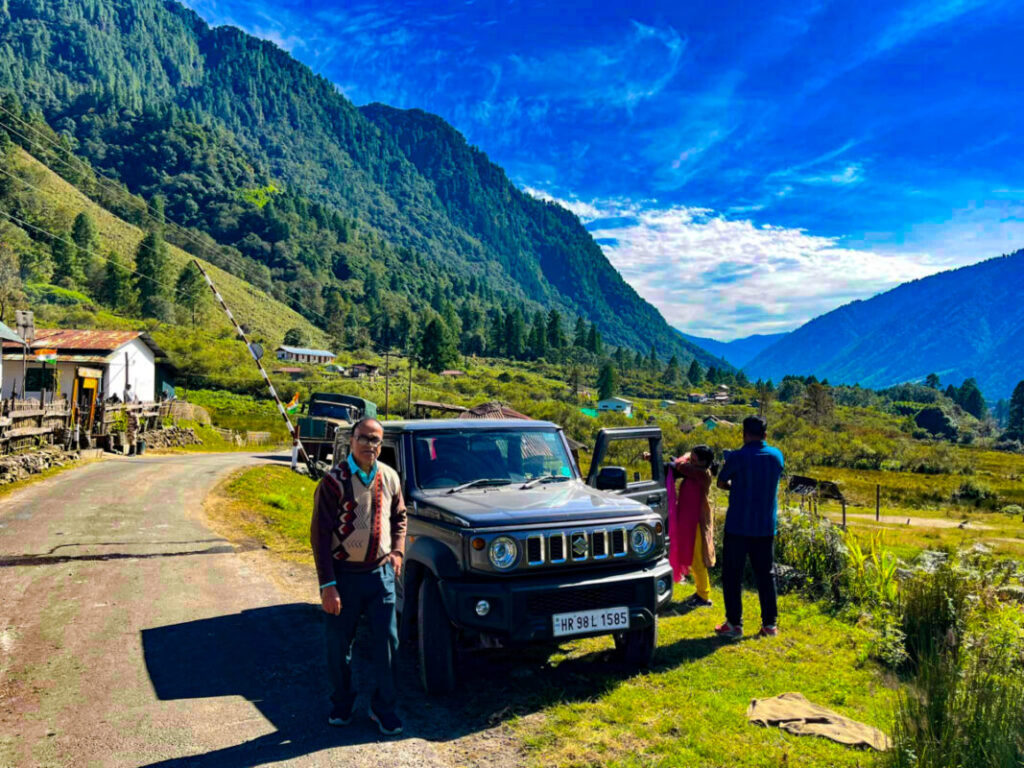
Anini, the remote district headquarters of Upper Dibang Valley in Arunachal Pradesh, is a hidden gem known for its untouched beauty and serene landscapes. Perched at 1,968 meters, Anini sits between the Mathun and Dree (Dri) Rivers, offering breathtaking views of lush forests, grassy foothills, and meandering rivers reminiscent of the Swiss Alps, earning it the title “Switzerland of the East.” Surrounded by the majestic Mishmi Hills with dense evergreen forests and cascading waterfalls, Anini provides an ideal retreat for nature lovers and adventurers seeking tranquility and alpine-like charm in India’s northeastern frontier. Anini is becoming more and more popular day by day and has already placed itself as one of the must-see destinations in Arunachal Pradesh.
The Upper Dibang Valley in Arunachal Pradesh is a remote and spectacular region known for its dramatic landscapes, lush forests, and deep river valleys. Anini serves as the main gateway to explore this wilderness. Perched on a plateau between the Mathun River to the west and the Dree (or Dri) River to the east, Anini offers stunning panoramic views and a serene atmosphere, making it the central hub for adventurers and nature lovers alike.
Places to Visit in Anini, Upper Dibang Valley
Anini is situated where the northeastern Himalayan ranges merge into the Mishmi Hills, forming a unique geography at the crossroads of the Northeastern Himalayas and the Indo-Burma ranges. The valley is crisscrossed by three major rivers: the Mathun River to the northwest, the Dree (Dri) River to the northeast, and the Talon River to the southeast. These rivers carve through deep gorges, creating a landscape marked by waterfalls, dense forests, and steep slopes.
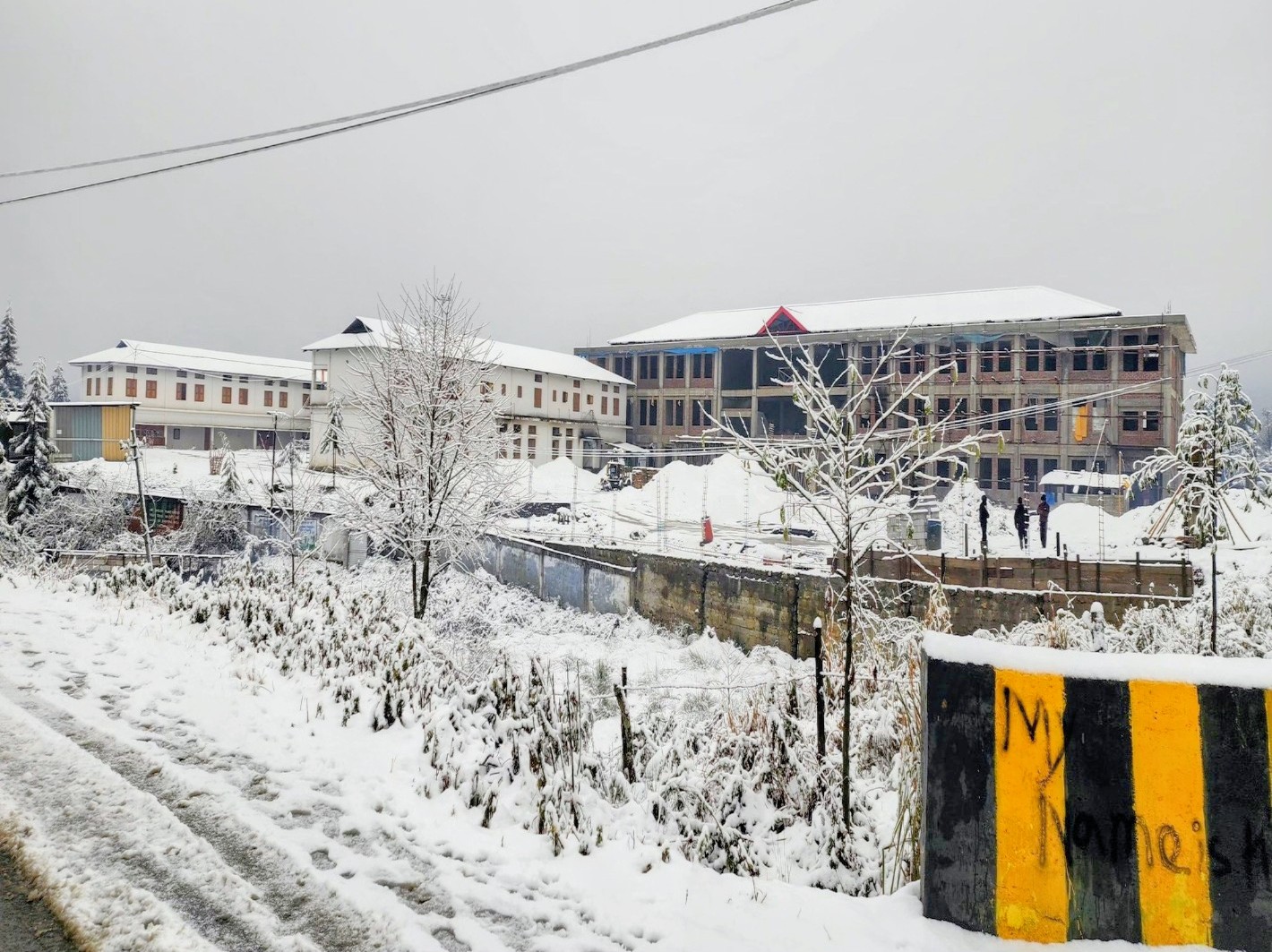
Here are the listing of visiting places that must be included in the itinerary of your tour to Anini.
Mathun River Valley
To the northwest of Anini lies the Mathun River Valley, a tranquil area characterized by rolling grassy hills and forests filled with oak, chestnut, ash, and birch trees. The valley’s gentler slopes make it accessible and ideal for enjoying sweeping panoramic views of the surrounding highlands. The lush green landscape of this valley is particularly striking during the monsoon season when the river flows at its peak, adding to the beauty of the area.
Dree (Dri) River Valley: The Land of Waterfalls
To the northeast of Anini, the Dree River Valley is often referred to as the “Land of Waterfalls” due to the numerous cascades that tumble down the steep hillsides. This valley is more rugged and dramatic, with dense forests of pine, deodar, silver fir, and cedar. The valley is traversed by the Indo-China Border Roads (ICBR), which follows the course of the Dree River toward the Indo-Tibetan border.
One of the most breathtaking stretches of this route is from Alinye to Bruni Camp, a section often referred to as the “Canvas of Waterfalls.” Here, the ICBR road is flanked by towering mountains, with waterfalls cascading down both sides, creating an almost surreal landscape of misty cliffs and rushing water. This stretch of road offers some of the most awe-inspiring views in the Dibang Valley and is particularly stunning during the monsoon season when the waterfalls are at their fullest.
Sponsored
Anini Tour Packages Starting Rs 15000/Head (5 Nights/6 Days)
Talon River Valley
The Talon River Valley is accessible from Etalin, located 45 kilometers southeast of Anini. From Etalin, the last motorable village is Malinye, nestled deep in the valley. This region is more remote and less explored, with towering cliffs, dense forests, and fast-flowing rivers. The valley is rugged and steep, offering a challenging yet rewarding experience for those willing to venture into its wild beauty.
Mishmi Hills: The Majestic Highlands
The Mishmi Hills, which rise dramatically around Anini, add a touch of grandeur to the region’s landscape. These hills are covered in thick evergreen forests and are home to a rich diversity of flora and fauna. The temperate broadleaf forests of the Eastern Himalayas blanket the lower slopes, while higher altitudes transition into subalpine forests. In spring, the Mishmi Hills come alive with the blooms of rhododendrons, painting the hillsides in vibrant shades of red and pink, reminiscent of the alpine meadows of Switzerland.
The Mishmi people, who have inhabited these hills for centuries, add to the region’s cultural richness. Their traditional way of life, deeply connected to the land and forests, offers a fascinating anthropological dimension to exploring the area.
Dibang Valley Wildlife Sanctuary
A significant part of the Upper Dibang Valley is protected as the Dibang Valley Wildlife Sanctuary, a haven for biodiversity and one of the least-explored wildlife regions in India. The sanctuary begins near the village of Asecho/Dambeun and extends into the forested hills of the Mishmi range. It is home to rare and endangered species such as the red panda, Mishmi takin, clouded leopard, and numerous bird species, making it a paradise for wildlife enthusiasts and naturalists.
The sanctuary’s dense evergreen forests are interspersed with dramatic waterfalls, crystal-clear rivers, and high-altitude meadows. Its remoteness and pristine condition make it one of the most important areas for conservation in Arunachal Pradesh.
Ahi Valley
Ahi Valley is a secluded valley situated southeast of Anini, following the Ahi River from its origins near Dibang Wildlife Sanctuary. Known for its remote beauty, it is home to the traditional village of Anelih. The valley is an unspoiled natural paradise, surrounded by dense forests, and offers a tranquil escape for nature lovers. With limited human habitation, the valley maintains an untouched charm, where travelers can experience raw wilderness, trek through undisturbed forests, and observe diverse wildlife. Ahi Valley is particularly suitable for off-the-beaten-path trekking.
Amra/Angrim Valley
Amra Valley is centrally located in Dibang Valley District, west of Asecho village. It is a serene valley following the path of the Amra River, offering scenic beauty and a peaceful environment. The valley is known for its vibrant green landscapes and proximity to the small Angrim sub-valley. Amra Valley’s unspoiled environment makes it a prime location for ecotourism, with opportunities for bird-watching, wildlife spotting, and trekking. Its remoteness offers travelers a chance to experience the wilderness, traditional Idu Mishmi culture, and the sheer beauty of nature far from modern development.
Mipi Valley
Mipi Valley, located in the far northeast near the Indo-China border, is one of the most remote and unexplored valleys in Dibang Valley District. The valley’s isolation makes it a hidden gem for adventurers seeking raw, untouched landscapes. Mipi village serves as the starting point for explorations into the surrounding valleys. The region is a haven for trekkers and wildlife enthusiasts, with dramatic landscapes that range from dense forests to alpine meadows. The valley’s inaccessibility preserves its pristine nature, making it ideal for travelers seeking solitude and an authentic wilderness experience.
Anini Valley
Anini Valley surrounds the town of Anini, the administrative center of Dibang Valley District. Nestled in the Himalayan foothills, the valley offers panoramic views of snow-capped peaks, terraced fields, and lush greenery. Anini Valley is easily accessible compared to other valleys in the district and serves as a base for exploring the nearby wilderness, including Dibang Wildlife Sanctuary. The region is known for its rich cultural heritage, with the Idu Mishmi people living in harmony with nature. The valley’s scenic beauty and cultural significance make it an ideal destination for cultural and nature tourism.
Anini Subdivision and The Administrative Blocks
The Upper Dibang Valley is divided into several administrative blocks and circles, each covering different parts of the region:
- Anini Subdivision: Includes the town of Anini and surrounding villages such as Alinye and Dambeun.
- Etalin-Malinye Block: Covers the Talon River Valley, including the villages of Etalin and Malinye.
- Anelih-Arzoo Block: Extends to the lower Dibang Valley and includes villages such as Anelih and Arzoo.
Upper Dibang Valley’s unique blend of untouched wilderness, cascading waterfalls, and towering mountains makes it one of India’s most stunning natural landscapes. Anini, with its strategic location and breathtaking views, serves as the ideal base to explore this remote frontier, earning it comparisons to the alpine beauty of Switzerland.
Dree/Dri River Valley: The Prime Attraction in Anini
Dree (Dri) River Valley: Course, Villages, and Key Attractions
The Dree (Dri) River is a pristine tributary in the Dibang Valley of Arunachal Pradesh, flowing through some of the most remote and picturesque landscapes in India. The river passes through subalpine meadows, pine and conifer forests, gorges, and waterfalls, culminating in stunning valleys and high passes. The Dree River offers adventure enthusiasts both motorable routes and well-marked trekking trails, with hidden gems at nearly every turn.
1. Anini to Alinye: Start of the Journey
The journey along the Dree River begins in Anini, the district headquarters of Dibang Valley. Following the river along the Indo-China Border Road (ICBR), travelers head towards Alinye, a small village nestled amidst rugged terrain. The road runs parallel to the Dree River, offering breathtaking views of the deep valley and emerald waters below. Waterfalls tumbling into the river and the lush, forested hills make this stretch a scenic drive.
2. Alinye to Dree Afra Campsite
After Alinye, the river course leads towards the Dree Afra Campsite, a serene location by the river, ideal for those seeking a peaceful retreat amidst nature. The campsite provides a vantage point to witness the transition from rolling valleys to the rugged wilderness that defines the Dibang Valley.
3. Asecho and Dibang Valley Wildlife Sanctuary
Beyond Dree Afra, the river flows through the village of Asecho, marking the entrance to the Dibang Valley Wildlife Sanctuary. This stretch is particularly known for its biodiversity, with the sanctuary protecting a variety of flora and fauna, including rare species such as the Mishmi takin, red panda, and clouded leopard. The riverbanks here are ideal for spotting wildlife and soaking in the natural beauty of the region.
4. Chigu Camp to Bruni: Start of the Upper Mishmi Hills
The Dree River continues towards Chigu Camp, located in the upper reaches of the Mishmi Hills. From here, the journey to Bruni marks the end of the motorable road, and the beginning of a well-marked hiking trail. This part of the valley is rich with subalpine meadows, pine and conifer forests, and cascading streams. The upper course of the Dree River is flanked by towering mountains, making it a prime location for trekkers and nature lovers.
5. Bruni to Pomo Waterfalls: The Heart of the Dibang Valley
Continuing along the hiking trail from Bruni, the path follows the upper course of the Dree River through a landscape dotted with subalpine meadows and dense forests. Along the way, the trail passes the stunning Pomo Waterfalls, one of the most magnificent natural attractions in the Dibang Valley. The powerful cascade, set against the backdrop of towering cliffs and forests, makes Pomo Waterfalls a must-see spot for trekkers and adventurers.
[read more]
6. Lama Camp: Where the Aeyo River Meets the Dree
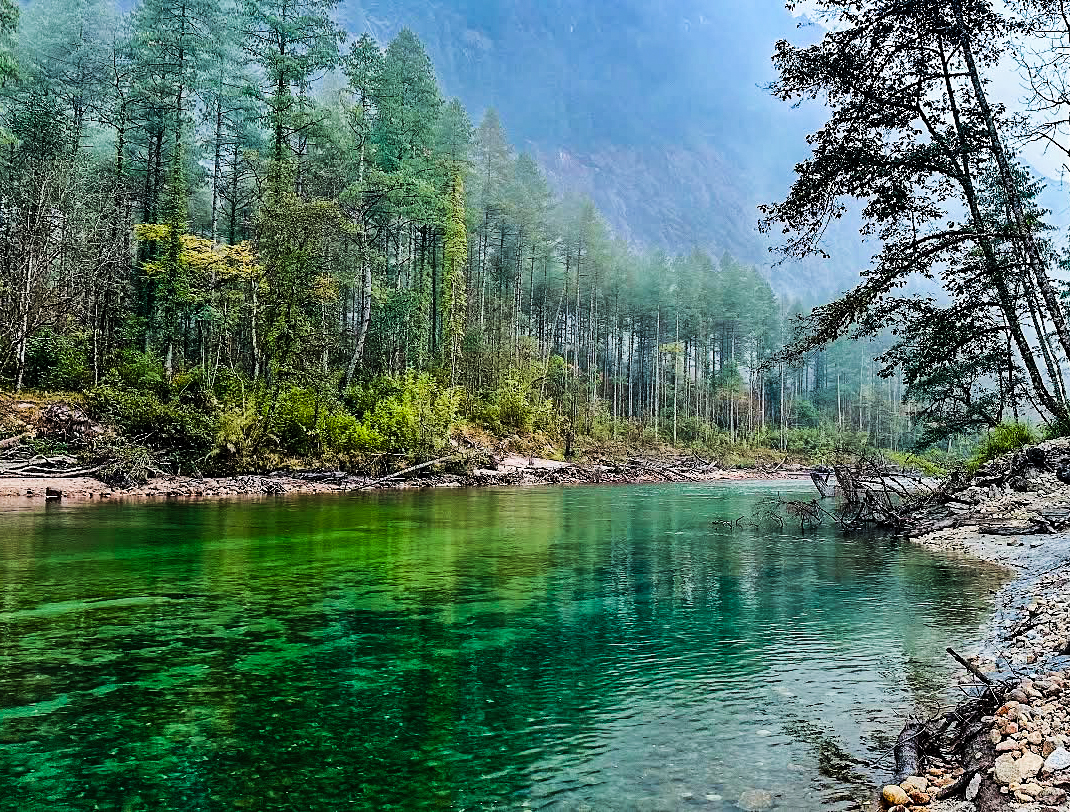
Further along the trail, hikers reach Lama Camp, where the Aeyo River, a significant tributary, meets the Dree River. This confluence is marked by the striking turquoise color of the waters and small cascade formations as the Aeyo River tumbles down from the upper mountains. Lama Camp is an ideal spot for resting and admiring the awe-inspiring scenery of this remote wilderness.
7. Lama Camp to Zawru: The Upper Dree River Course
From Lama Camp, hikers can follow the upper course of the Dree River towards the Zawru alpine valley. The trail offers stunning vistas of alpine landscapes, dotted with high-altitude grasslands and clear skies. As the trek continues, the valley opens up to reveal expansive meadows, making Zawru a perfect spot for nature enthusiasts seeking solitude and unspoiled beauty.
8. Adzhamkhola Pass: The Tibetan Border
Further along the Dree River, the trail ascends to the Adzhamkhola Pass near the Tibetan border, at an elevation of 5,000 meters. This high-altitude pass offers breathtaking views of the surrounding mountains and the untouched wilderness of the Tibetan Plateau. The pass marks the highest point along the river’s course and serves as a gateway for adventurers looking to explore the farthest reaches of the region.
9. Aeyo River to Aeyo Valley: Glacier Lake and Beyond
Alternatively, from Lama Camp, hikers can follow the Aeyo River to the stunning Aeyo Valley, known for its glacier-fed lake, Aeyo Lake, situated at the Indo-China border. The lake is a pristine, high-altitude wonder, with crystal-clear waters reflecting the surrounding snow-capped peaks. The valley itself is famous for its isolation and rugged beauty, making it one of the most stunning destinations in the Dibang Valley.
The Dree (Dri) River Valley, with its unparalleled natural beauty and remote, unspoiled landscapes, offers a unique blend of adventure, culture, and ecological diversity. Whether following the river by road or embarking on a trekking expedition through subalpine meadows, coniferous forests, and high-altitude passes, travelers will find themselves immersed in one of the most spectacular and untouched regions of Arunachal Pradesh.

Beyond the Forest Cover: The Magical Alpine Valleys
Beyond the dense forest cover that blankets the hills, Anini opens up into a valley that feels straight out of a fairy tale. Imagine emerging from the shadows of the trees into a vast, sun-drenched meadow. The ground beneath your feet is soft and inviting, covered in a carpet of wildflowers that sway in the breeze.

In the distance, you can see the valley stretching out before you, with the Mishmi Hills framing the scene like a natural amphitheater. The hills are dressed in shades of green and brown, and as the sun sets, they take on a golden hue that is simply breathtaking.
Marshy Meadows and Swampy Grasslands

As you continue to explore Anini, you’ll come across marshy meadows and swampy grasslands that are unlike anything you’ve ever seen. Imagine walking on a path that leads you through knee-high grasses that sway in the wind. The ground beneath your feet is soft and squishy, and you can hear the gentle gurgle of hidden streams as you make your way through this unique landscape.

These grasslands are not just beautiful; they are also teeming with wildlife
Visit the villages of Angrim or Angri Valley like Gipulin that provide a glimpse into the rich culture and traditions of the Idu Mishmi people. As you wander through these villages, you’ll come across traditional hunting artifacts, and the locals will regale you with fascinating tales of their way of life. It’s a chance to immerse yourself in a world that is far removed from the hustle and bustle of modernity.[/read]
Mathu Valley: The Valley of Grass Hills
Mathun Valley, often referred to as the “Valley of Grass Hills,” is a scenic river valley formed by the Mathun River. It lies at the intersection where the northeastern Himalayan Siang Antiform ends and a transitional buffer zone begins before merging into the rugged Mishmi Hills at the Dree (Dri) Valley. The valley is characterized by gently rolling grassy hills, dotted with oak, birch, chestnut, and ash trees, creating a unique landscape. This picturesque setting, with its open grasslands and temperate forests, adds to the serene beauty of the region, making it an idyllic retreat for nature enthusiasts.
Exploring Villages of Mathu Valley:
As you venture beyond Anini, you’ll have the opportunity to explore remote villages nestled in the rolling grass hills of Mathu Valley like Maro, Maronli, Emuli, Brango and Mipi. Imagine trekking through the hills, the landscape changing as you ascend higher. Suddenly, you catch sight of Mipi village nestled in the valley below, smoke rising from the traditional longhouses.
[read more]
The Enigmatic Seven Lakes Trek in Mathu Valley
For those seeking adventure, Anini offers the opportunity to embark on the unforgettable Seven Lakes Trek. Spread across eight days, this trek takes you through a variety of landscapes, from grasslands to rainforests to rocky mountains. The highlight of the trek is, of course, the seven turquoise blue alpine lakes that are scattered along the route.
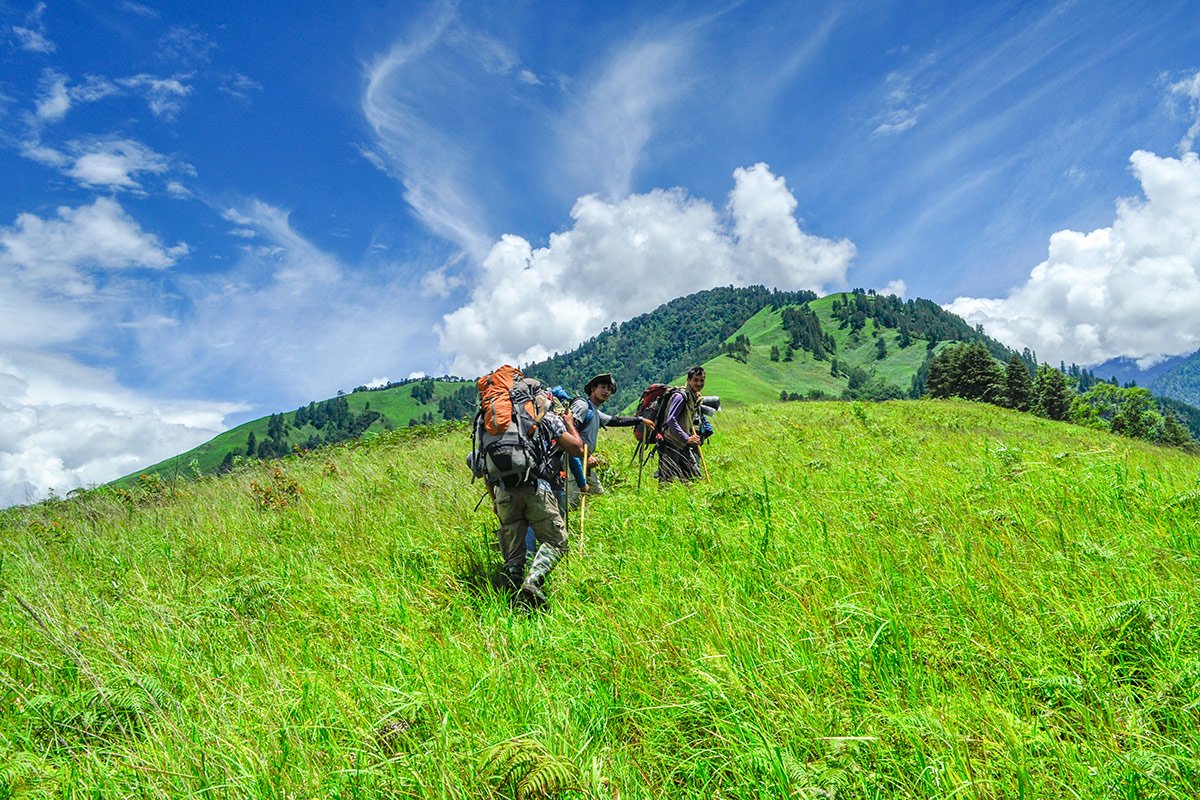
Think of waking up to the crisp mountain air, surrounded by the beauty of the Mishmi Hills. Each day brings a new adventure as you hike through dense forests, cross gushing streams, and ascend rocky slopes. The turquoise lakes shimmer like jewels in the landscape, reflecting the clear blue skies above.
This trek is not for the faint of heart, but the rewards are immeasurable. As you reach each lake, you can’t help but be awestruck by the natural beauty that surrounds you. It’s a journey that will test your limits and leave you with memories that will last a lifetime.[/read]
Anini and Upper Dibang Valley’s Ever-Changing Seasons
Anini, the gateway to the Dibang Valley Wildlife Sanctuary, experiences a dramatic transformation of its landscapes throughout the year, each season painting a unique masterpiece. Understanding these seasons is essential for travelers seeking to uncover the true essence of this remote paradise.
[read more]
Spring: March to May
As spring unfolds across Anini and the Dibang Valley, the region undergoes a remarkable transformation. The months of March to May herald the awakening of nature, with temperatures gradually warming up. During this season, the landscape is adorned with the vibrant colors of rhododendron blooms, creating a scene reminiscent of Switzerland’s alpine meadows. The hillsides burst into shades of red and pink, and the entire region comes to life with the promise of a new beginning.
Summer & Monsoon: June to August
Summer in Anini and the Dibang Valley is a time of lush abundance. The landscape is covered in a thick blanket of greenery, and the meadows are punctuated by the lively dances of wildflowers. Temperatures during the daytime range from a pleasant 20°C to 25°C, while nighttime temperatures hover between 7°C and 13°C. This season is a paradise for nature enthusiasts, offering clear, rainy days with occasional fog. Streams flow with vigor, and the region’s natural beauty is at its peak.
During the monsoon, Anini’s waterfalls become a spectacular sight, with each cascade vying for attention in a dramatic display of nature’s power. Huge torrents of white water gush from towering, dark green foliage-covered cliffs, plunging into turquoise rivers below. The contrast between the foaming white water and lush greenery creates a breathtaking visual effect, enhanced by the cool mist rising from the falls. Standing on the riverbank, watching these vigorous waterfalls, is an unforgettable experience, where the sound of crashing water and the vibrant, misty atmosphere captivate the senses, making it a perfect spot for nature lovers and photographers alike.
Monsoon Transition to Autumn: September to Mid-October
The transition from monsoon to autumn marks a significant change in the Dibang Valley’s landscape. The monsoon rains have subsided, leaving behind landscapes that are lush and green. These months are ideal for those who prefer less crowded trails and clear mountain views. September is particularly enchanting as it marks the onset of autumn, when the forests and hillsides transform into a tapestry of breathtaking colors. During this period, daytime temperatures range from 15°C to 20°C, while nighttime temperatures drop to 2°C to 5°C.
Late Autumn: October-End to Third Week of November
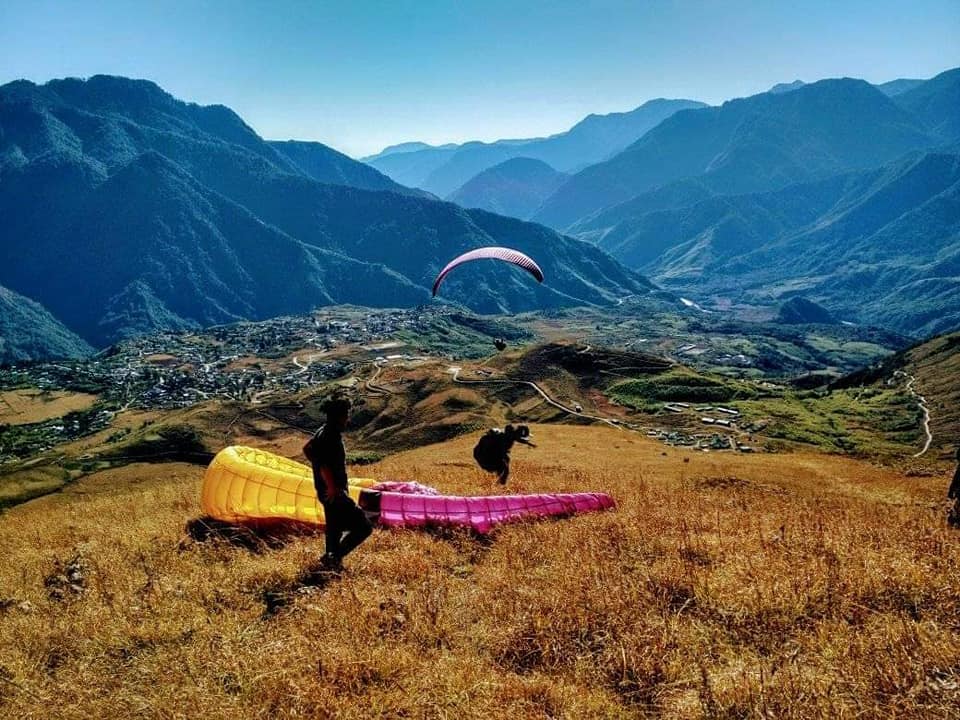
October-end ushers in colder weather in Anini and the Dibang Valley. Rainfall becomes a distant memory, and clear blue skies dominate the landscape. The mountains and valleys are bathed in brilliant hues, and the reflection of the skies deepens the blue of the alpine lakes. However, it’s essential to be well-prepared with appropriate gear and clothing as snowfall can be expected during the second week of October, although it typically subsides after a few days. Nighttime temperatures dip between 0°C and 5°C, while daytime temperatures range from 14°C to 18°C.
Winter in Anini: Late November to February
Winter in Anini and the Dibang Valley, spanning from late November to February, offers a magical transformation as the landscape is cloaked in a serene blanket of snow. The region’s tranquility is palpable, with temperatures ranging from -5°C to 10°C during the day, plummeting to -15°C or lower at night. The hills, valleys, and forests become a captivating snow-covered wonderland, and the quietude is a paradise for those who relish winter’s solitude. Whether you’re enchanted by the soft, powdery snow, the glistening ice formations, or the peaceful stillness, winter deepens the allure of this remote paradise. Prepare with warm clothing and gear for an unforgettable winter adventure in Anini.
Each season in Anini brings its unique charm and showcases the region’s diverse landscapes. Whether you’re captivated by the vibrant rhododendrons of spring, the lush meadows of summer, the vivid autumn colors, or the pristine winter landscapes, Anini and the Dibang Valley have something to offer all year round. So, choose the season that resonates with your soul, pack your bags, and embark on a journey through this ever-changing and enchanting land.[/read]
Getting to Anini: A Journey Worth the Effort
Reaching Anini was once a daunting task, with treacherous roads, landslides, and blockages. However, in recent years, it has become more convenient to travel to this remote paradise. Here are some options for reaching Anini:
By Air: The nearest airport is Dibrugarh, from which you can take a bus or taxi to Roing and then onwards to Anini.
By Road: There are direct overnight buses from Guwahati to Roing. Alternatively, you can take a train or bus to Dibrugarh/ Tinsukia and then a bus to Roing. Shared cabs are also available from Roing to Anini, but it’s advisable to book in advance.
Entry Formalities
Indian Tourists
- eILP for Indian Citizens: The eILP is applicable for Indian citizens only. Indian citizens visiting Arunachal Pradesh need to obtain this permit to enter certain restricted areas in the state. https://eilp.arunachal.gov.in/preTuristEIlpKYC
- Tourist eILP Duration: The tourist eILP is valid for a stay of up to 14 days. This permit is suitable for tourists who plan to stay in Arunachal Pradesh for a shorter duration.
- Provisional ILP for Longer Stays: If tourists plan to stay beyond 14 days, they may apply for a provisional ILP. This allows for extended stays in the state.
- Age Requirement: Individual eILP is not required for travelers below 14 years of age. However, they must be accompanied by an adult.
- Verification of Information: All information provided in the eILP application is subject to verification. Providing wrong or misleading information can lead to penal action.
[read more]
ILP Application Offices:
- Delhi: The Resident Commissioner, Govt. of Arunachal Pradesh, Kautilya Marg, Chanakyapuri, New Delhi. Contact: 011-23013915/23013956
- Kolkata: The Deputy Resident Commissioner, Govt. of Arunachal Pradesh, CE-109, Sector-1, Salt Lake City, Kolkata. Contact: 033-23341243/23589865
- Guwahati: The Deputy Resident Commissioner, Govt. of Arunachal Pradesh, GS Road, Rukminigaon opposite Manasa Mandir, Dispur, Guwahati – 781021. Contact: 0361-2412859/2416720/2412859
- Shillong: The Deputy Resident Commissioner, Govt. of Arunachal Pradesh, Meghalaya, Shillong. Contact: 0364-2224247/2224476
- Tezpur: The Deputy Resident Commissioner, Govt. of Arunachal Pradesh, Parvati Nagar, Tezpur, Assam. Contact: 03712-260173
- Dibrugarh: The Deputy Resident Commissioner, Govt. of Arunachal Pradesh, Mohanbari, Dibrugarh, Assam. Contact: 0373-2382560/2382738
- North Lakhimpur: The Deputy Resident Commissioner, Govt. of Arunachal Pradesh, Lilabari, North Lakhimpur, Assam. Contact: 03752-22186
- Jorhat: The Deputy Resident Commissioner, Govt. of Arunachal Pradesh, Jorhat, Assam. Contact: 0376-2340173
ILP On Arrival:
Tourist ILP facilitation centers are available at various locations, including:
- Naharlagun railway station
- Gumto railway station
- Guwahati: Assam Paryatan Bhawan near Nepali Nandir and Guwahati LGBI Airport
- Itanagar: Donyi Polo Airport
These centers provide additional options for travelers to obtain their ILPs upon arrival, making the process more convenient for those planning to visit Arunachal Pradesh. Please ensure that you have all the necessary documents and fees when applying for your ILP. Keep in mind that requirements and procedures may change over time, so it’s advisable to check for the most up-to-date information before your visit.
Foreign Nationals
To enter India, foreign travelers typically need to obtain an Indian tourist visa from an Indian embassy or consulate in their home country. The specific visa requirements can vary depending on your nationality, so it’s essential to check with the nearest Indian embassy or consulate for the latest visa regulations.
- Group Requirement: Foreign tourists are required to travel in a group of two or more persons to obtain the PAP.
- Online Application: Foreign tourists can apply for the PAP online through the official website of the Indian Bureau of Immigration. The website link provided is https://indianfrro.gov.in/eservices/home.jsp. You can initiate the application process on this platform.
- Physical Application: Alternatively, you can also apply for the PAP physically at designated government offices in New Delhi, including:
- Govt. of India, Ministry of Home Affairs, New Delhi
- The Resident Commissioner, Govt. of Arunachal Pradesh, Kautilya Marg, Chanakyapuri, New Delhi. Phone: 011-230113915/23013956/26880901
- Local Application: Applications for the PAP can also be made through approved local tour operators. These tour operators will assist you in completing the required formalities.
- Royalty Fee: Foreign tourists visiting Arunachal Pradesh are typically required to pay a royalty fee of USD 50 per head to the Government of Arunachal Pradesh. This fee is collected to support the region’s tourism infrastructure and preservation efforts.
- Authorized Authorities: The Secretary (Tourism) and the Commissioner (Home) in the government of Arunachal Pradesh, Itanagar, can also provide information and assistance regarding the PAP application process. Their contact information is as follows:
- The Secretary (Tourism), Govt. of Arunachal Pradesh, Itanagar-791111. Phone: 0360-2212457
- The Commissioner (Home), Govt. of Arunachal Pradesh, Itanagar-791111. Phone: 0360-2212632[/read]
Where to Stay in Anini: Embracing Local Culture
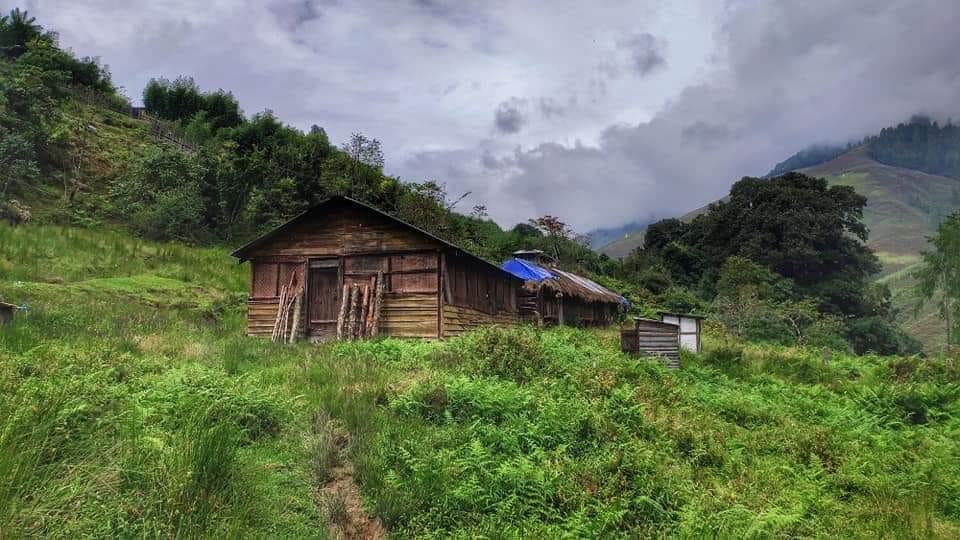
When staying in Anini and aiming to embrace the local culture, it’s essential to choose accommodations that allow you to connect with the region’s unique heritage and traditions. While Anini may not have a wide range of accommodation options, you can find guest houses and hotels that offer a genuine local experience. Here are a few suggestions for places to stay in Anini:
Government Guest Houses: Anini has government-run guest houses that are often the most reliable and readily available options for accommodation. These guest houses are typically modest in terms of amenities but offer a unique opportunity to interact with locals and experience their way of life.
Local Homestays: Consider staying in a local homestay to immerse yourself in the culture and daily life of the people of Anini. Staying with a local family provides a more authentic experience, and you can learn about their customs, cuisine, and traditions. These accommodations may be basic but are rich in local character.
Tribal Huts or Camps: Some areas around Anini may offer traditional tribal huts or camping options. These can be a fantastic way to experience the natural beauty and cultural heritage of the region. These huts and camps often have basic facilities, but the experience is unparalleled.
Heritage Resorts: While Anini is relatively remote and may not have luxury resorts, you can sometimes find heritage resorts or lodges that provide comfortable and culturally immersive stays.
Community Tourism Initiatives: Look for community-based tourism initiatives that focus on sustainable and responsible travel. These projects often offer accommodation options, guided tours, and cultural experiences that directly benefit local communities.
When booking your accommodation in Anini, it’s a good idea to communicate your desire to experience the local culture and traditions with the hosts. This can lead to more enriching interactions and experiences during your stay. Additionally, engage with the locals, participate in local activities, and explore the surroundings to fully embrace the local culture while visiting this remote and captivating region.
Anini, a Land of Dreams
As we conclude our journey through the landscapes of Anini, we hope that our vivid descriptions have transported you to this magical destination. Anini is not just a place; it’s a dreamscape where nature’s beauty knows no bounds. Whether you seek adventure, cultural immersion, or simply a moment of tranquility, Anini has it all.
From the rolling hills reminiscent of Switzerland to the turquoise Dri River and the enchanting waterfalls, Anini is a destination that leaves an indelible mark on your soul. It’s a place where time seems to stand still, and the rhythms of nature become your own. Anini is a journey worth taking, and the memories you create here will stay with you forever. So, pack your bags, set off on this mesmerizing adventure, and discover the Switzerland of the East—Anini.
