
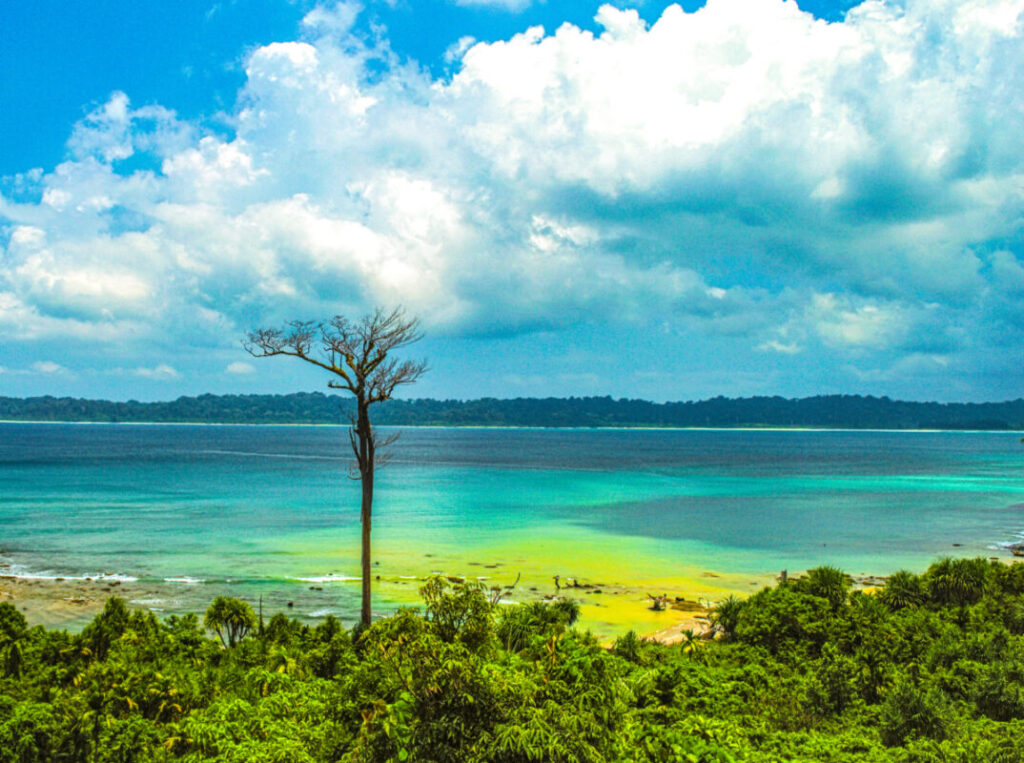
Great Nicobar Island, India – Introduction & Overview
Great Nicobar Island, locally known as Patai Takaru meaning “the Big Island” in the southern Nicobarese language, is the largest and southernmost island of India, located at the far edge of the Andaman and Nicobar Islands archipelago. Covering an area of approximately 1,044 square kilometres, the island is nearly 1.3 times larger than Singapore, yet remains one of the least explored and most strictly regulated regions in the country.
Unlike popular islands of the Andamans, Great Nicobar is not a conventional tourism destination. More than 85% of the island is covered by dense tropical evergreen rainforest, and over 900 square kilometres fall under protected forest and wildlife zones, making access limited and highly controlled.
The island is internationally recognised for its ecological significance due to the presence of the Great Nicobar Biosphere Reserve, which encompasses pristine rainforests, mangroves, coral reefs, and nesting beaches of endangered marine species. The reserve is home to rare and endemic wildlife such as the Nicobar Megapode, Nicobar Tree Shrew, Nicobar Long-tailed Macaque, and saltwater crocodiles, many of which are found nowhere else in the world.
Great Nicobar’s coastline stretches for over 100 kilometres, much of it untouched, featuring coral sand beaches, reef systems, estuaries, and turtle nesting grounds. These waters support activities like snorkelling, scuba diving, and marine observation, but only in very limited, permitted zones, keeping ecological disturbance to a minimum.
At the heart of the island lies Campbell Bay, the administrative headquarters of Great Nicobar and the only area generally accessible to tourists. The rest of the island — including large forest interiors, coastal belts, and river systems — remains protected due to its ecological fragility and its importance to Indigenous communities.
Great Nicobar is also home to two Indigenous communities — the Shompen and the Great Nicobarese — whose relationship with the island’s forests, rivers, and seas stretches back thousands of years. Their presence, livelihoods, belief systems, and land-use practices are deeply interwoven with the island’s natural landscape, making Great Nicobar not just a geographical entity, but a living cultural homeland.
Because of its remoteness, biodiversity, and sensitive social fabric, travel to Great Nicobar requires careful planning, official permits, and responsible conduct. This guide aims to provide a clear, factual, and respectful understanding of the island — covering access, regulations, places that can be visited, and the realities that make Great Nicobar one of India’s most extraordinary yet restricted destinations.
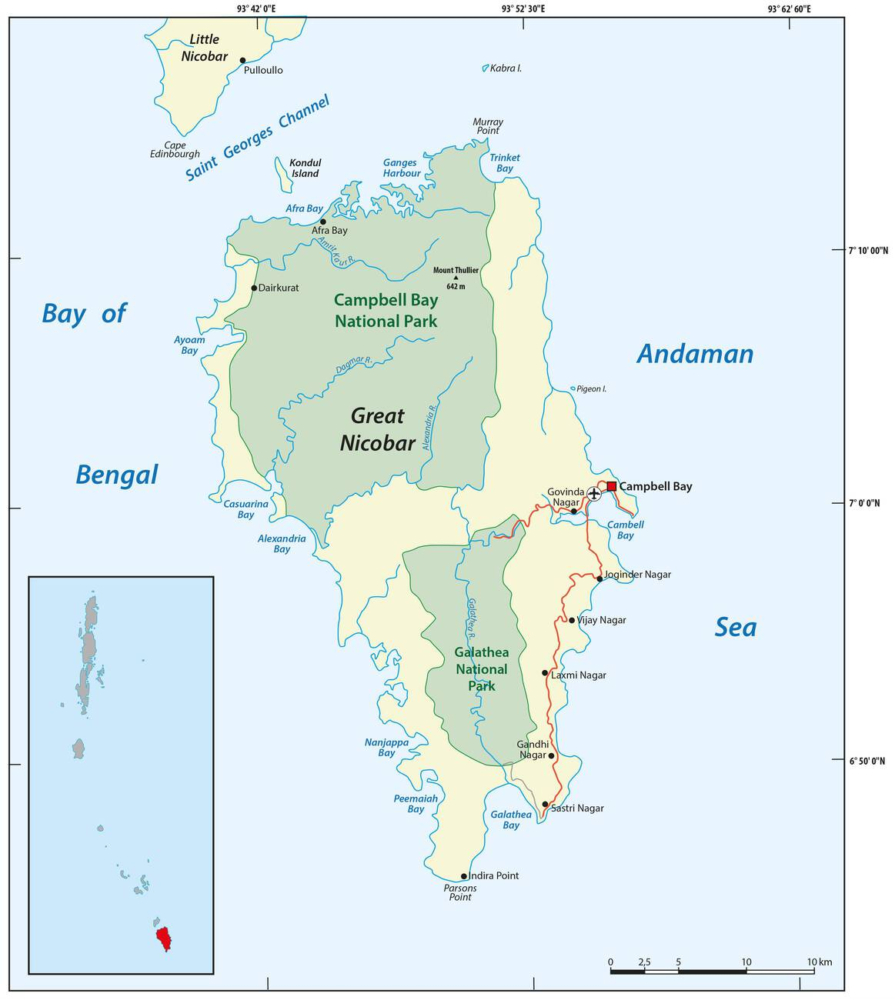
Restrictions & Permits Required to Explore Great Nicobar Island (Tourism Guide)
Entry Regulations for Great Nicobar Island
Great Nicobar Island is among India’s most regulated travel destinations, and tourism here operates under strict administrative, forest, and tribal protection laws. These controls exist to safeguard the island’s fragile ecosystems, endemic wildlife, and the Indigenous communities that depend on its forests, rivers, and coastal zones.
Unlike other islands in the Andaman & Nicobar group, free movement across Great Nicobar is not permitted. Visitors must understand that only limited areas are accessible, and every movement beyond the town area requires prior approval.
🛂 Mandatory Permit for All Tourists
Landing Permit (Compulsory)
All visitors travelling to Great Nicobar must obtain a Landing Permit from the Andaman & Nicobar Administration at Sri Vijaya Puram (formerly Port Blair).
Key Points:
- Issued before boarding ship or helicopter
- Mandatory for Indian tourists and non-islanders
- Specifies Campbell Bay as the permitted area of stay
- Does not grant free movement across the island
📌 Without this permit, boarding to Great Nicobar is not allowed.
🌿 Forest & Wildlife Permissions (Area-Specific)
Forest Department Permission
Large portions of Great Nicobar fall under protected forest and wildlife zones within the Great Nicobar Biosphere Reserve.
Forest permission is required for:
- Buffer zone forest walks
- Guided nature trails
- Birdwatching activities
- Visits near protected coastal belts
Issued by:
Nicobar Forest Division / Environment & Forest Department
⚠️ Entry into core forest zones is strictly prohibited for tourists.
🏛️ Administrative & Local Clearances
1) Magistrate Permission
Certain coastal and inland locations require clearance from the District Magistrate, Nicobar.
These include:
- Remote beaches
- River-mouth areas
- Locations near Indigenous settlements
- Long-distance road movement outside Campbell Bay
This permission is rarely granted for casual tourism and is typically limited to research, official travel, or special cases.
2) Village Captain’s Permission
Great Nicobar is home to Indigenous Nicobarese villages. Any visit near these settlements requires consent from the local Village Captain.
This ensures:
- Respect for community privacy
- No disturbance to daily life or cultural practices
- Controlled interaction with outsiders
📌 Tourists are not allowed to independently approach tribal settlements.
🚫 Tribal Pass (NOT for Tourists)
A Tribal Pass is a special clearance needed to visit any areas beyond Campbell Bay and issued only for:
- Government officials
- Researchers
- Anthropologists
- Conservation projects
It is not issued for tourism under any circumstances.
🧭 Areas Open vs Restricted for Tourism
✅ Generally Accessible Area
- Campbell Bay
- Town area
- Nearby beaches (with local permission)
- Approved accommodation zones
⚠️ Restricted / Special Permission Areas
- Galathea Bay
- Forest interiors
- Northern Great Nicobar coast
- Afra Bay
- Nevy Dera
These areas may appear on maps or blogs but are not standard tourist attractions.
♻️ Responsible Tourism Rules (Strictly Enforced)
Visitors to Great Nicobar must:
- Avoid plastic and non-biodegradable waste
- Not collect shells, corals, or forest produce
- Maintain silence in forest zones
- Follow all instructions from Forest & Police authorities
- Respect photography restrictions near villages
Violation of rules can lead to:
- Permit cancellation
- Fines
- Forced return from the island
🔍 Why These Restrictions Exist (Important for Visitors)
Great Nicobar is not restricted because it is inaccessible, but because it is irreplaceable. The island represents:
- One of India’s last intact tropical island ecosystems
- A homeland for Indigenous cultures with ancient land ties
- A biodiversity hotspot vulnerable to even small disturbances
Tourism here is designed to be low-volume, high-responsibility, prioritising conservation over numbers.
Places to Visit & Things to Do in the Great Nicobar Island
1) B-Quarry Beach (Auk Rafaiynh)
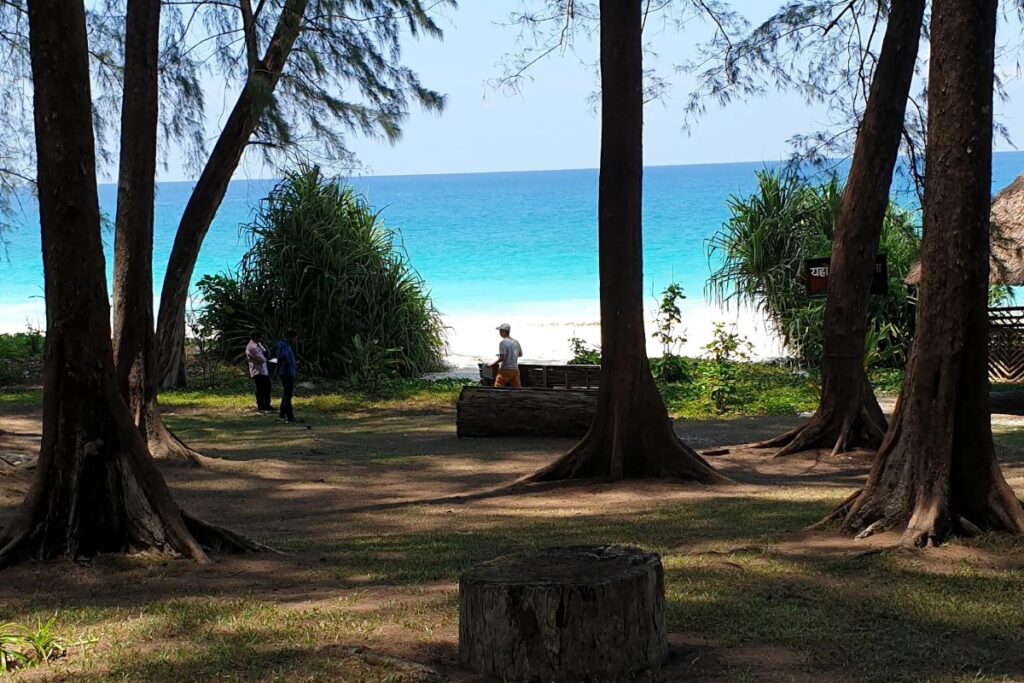
B-Quarry Beach, also known as Auk Rafaiynh, is the top-rated beach in Campbell Bay and arguably one of the best in the Andaman & Nicobar Islands. Its expansive stretch of soft white coral sands, stunning turquoise and aquamarine waters, and gentle waves create a perfect setting for swimming and relaxation. The tropical groves provide natural shade, while excellent beach facilities make it an ideal spot for sunbathing and a peaceful day by the sea. This beach gained its name from being quarried for the construction of the Campbell Bay jetty.
How to Enjoy:
- Swim & Relax: The calm waters are perfect for a dip.
- Sunbathe: Relax on the beach with the stunning seascape as a backdrop.
- Take Photos: Ideal for capturing the sunrise or sunset with the reflection of the sea.
How to Reach:
- Located about 8 km from Campbell Bay Jetty. You can take a taxi or rent a bike to reach this serene beach spot.
2) Indira Point
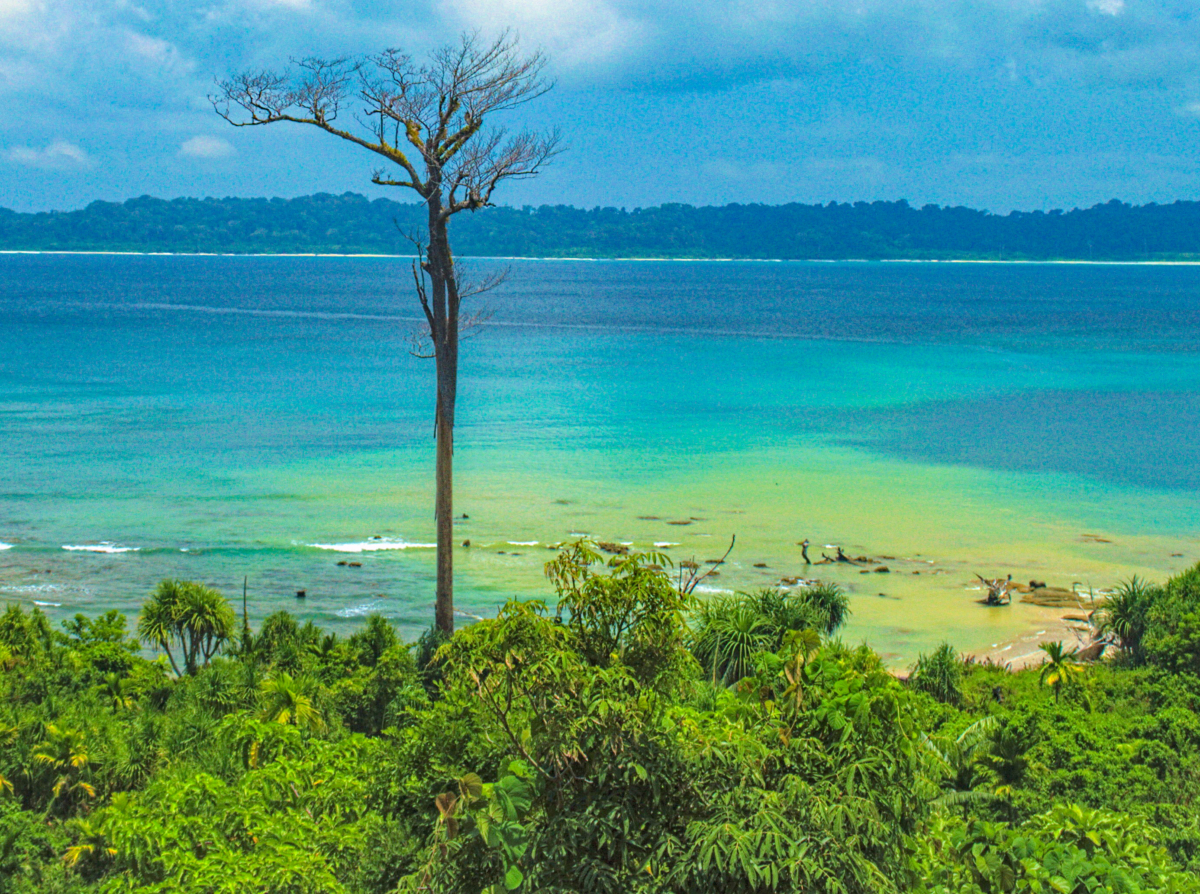
Indira Point is the southernmost tip of India, a place where the Indian Ocean meets the Bay of Bengal. The iconic lighthouse here, visible from a distance, is an important navigational point. Indira Point is renowned for its stunning vistas, making it a must-visit for those who love panoramic ocean views and photography. The area was heavily impacted by the 2004 tsunami, but the lighthouse remains a symbol of resilience.
How to Enjoy:
- Panoramic Views: Experience incredible views from the southernmost tip of the country.
- Sunset Spotting: Ideal for watching the sun dip below the horizon.
- Explore the Lighthouse: Take a tour and learn about its history.
How to Reach:
- Approximately 45 km from Campbell Bay. Accessible via a combination of road and boat, but confirm availability due to weather conditions.
3) Great Nicobar Biosphere Reserve
A UNESCO World Biosphere Reserve, this expansive area showcases the natural wealth of Great Nicobar. The reserve protects unique flora and fauna, including the endangered Nicobar Megapode, Nicobar Long-Tailed Macaque, and saltwater crocodiles. It’s a biodiversity hotspot, offering a chance to explore pristine rainforest ecosystems.
How to Enjoy:
- Wildlife Spotting: Look out for endemic birds and mammals.
- Nature Trails: Trek through dense rainforests with a guide to learn about the ecosystem.
- Photography: Capture the diverse flora and fauna in their natural habitat.
How to Reach:
- Near Campbell Bay, accessible by road with organized tours available.
4) Gandhi Nagar Beach
Known for its tranquil setting, Gandhi Nagar Beach offers a less crowded alternative to B-Quarry Beach. With its clear waters and soft sand, this beach is ideal for those seeking a peaceful retreat. The surrounding greenery and coral fragments make it a picturesque spot for relaxation.
How to Enjoy:
- Swimming: Enjoy the calm, warm waters.
- Beach Walks: Stroll along the shore and collect unique shells.
- Picnicking: Pack a picnic to enjoy by the water under shady groves.
How to Reach:
- Just 12 km from Campbell Bay, easily accessible by road using local transport options like taxis or rented scooters.
5) Mount Thuillier (Tourist Not Allowed)
Standing at 642 meters, Mount Thuillier is the highest point in the Nicobar Islands, making it a prime destination for trekking enthusiasts. The trek to the summit is a challenging yet rewarding experience, offering panoramic views of the dense forests and coastline.
How to Enjoy:
- Trekking: Embark on a guided trek through the thick forest cover.
- Spot Wildlife: Encounter endemic species like the Nicobar pigeon and other unique birds.
- Summit Views: Capture sweeping views of the island and the ocean.
How to Reach:
- The trek begins near Campbell Bay. Local guides can be hired, and it’s advisable to obtain necessary permits due to the protected status of the area.
6) Campbell Bay National Park
Part of the larger Great Nicobar Biosphere Reserve, Campbell Bay National Park is a sanctuary of rich biodiversity. It features thick rainforests, mangroves, and coastal ecosystems, offering visitors a chance to experience the island’s natural beauty.
How to Enjoy:
- Jungle Trails: Explore the park on guided tours to spot unique wildlife.
- Bird Watching: The park is home to several rare and endemic bird species.
- Nature Photography: Capture the lush landscapes and diverse habitats.
How to Reach:
- The park is located adjacent to Campbell Bay, making it easily accessible by road.
7) Galathea Bay
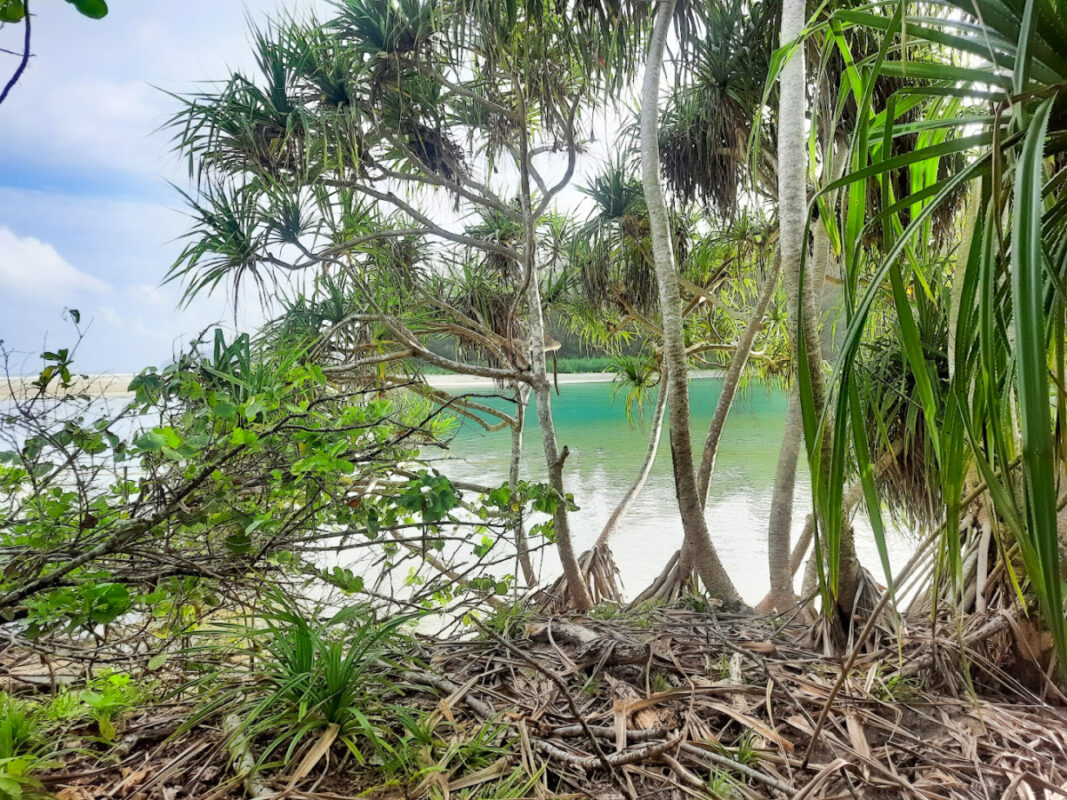
Galathea Bay, located on the southeastern coast of Great Nicobar Island, is a pristine and secluded beach known for its wild, untouched beauty. The bay is part of the Galathea National Park, which lies within the Great Nicobar Biosphere Reserve. It is a significant nesting ground for leatherback turtles, making it a vital conservation area. The bay is surrounded by dense mangroves and tropical rainforests, with the Galathea River flowing into the sea, creating a picturesque landscape.
How to Enjoy:
- Turtle Nesting: Visit during the nesting season (November to March) to witness leatherback turtles laying eggs on the beach.
- Nature Walks: Explore the coastal and mangrove areas, rich in birdlife and flora.
- Photography: Capture the raw beauty of the untouched beach and its surrounding landscape.
How to Reach:
- 35 km from Campbell Bay, the journey involves a drive through the forested area and may include a boat ride along the Galathea River. Access may be restricted during the monsoon season, and it is advisable to arrange visits with a local guide or tour operator.
Travel Tips:
- Permits Required: Entry to Galathea Bay often requires permits due to its ecological significance and protected status. Check with local authorities before planning a visit.
- Safety Precautions: Be cautious of strong currents and avoid swimming far out, as the area is known for its unpredictable waves.
- Respect Wildlife: As a nesting site for endangered leatherback turtles, visitors must be careful not to disturb the turtles or nesting areas, especially during the breeding season.
8) Afra Bay
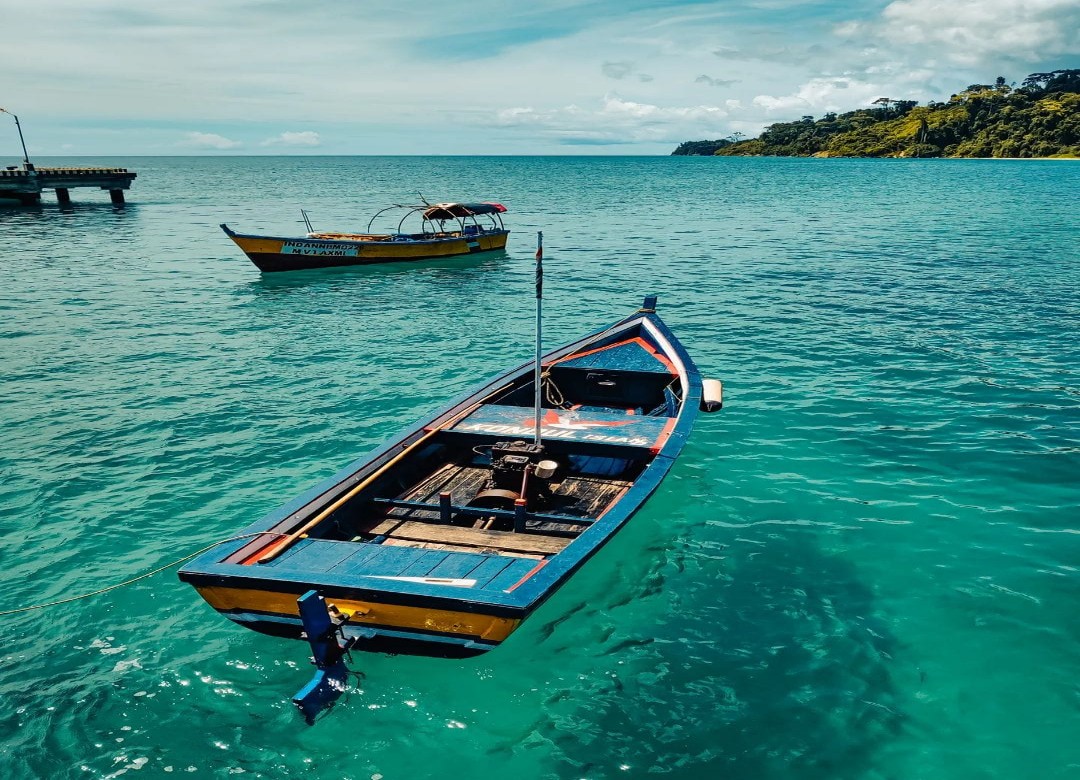
Afra Bay is situated in the north of Great
Nicobar island and falls within the buffer zone of Great Nicobar Biosphere Reserve. There are Nicobarese habitats in the area and it’s a completely restricted place with no network.
Forest Permit, Magistrate Permission and Village Captain’s Permission needed to visit the area.
9) Nevy Dera
A stunning snorkeling and diving point situated further north to Campbell Bay. Only accessible by boat. Forest & Magistrate Permit and Permission from the Indian Navy needed.
10) Laxman Bay
Mentioned at the number 10 in the list of places to visit in Great Nicobar, Laxman Bay is the No. 1 attraction in the island. Renowned for its stunning family friendly snorkeling sites, this bay also offers a stunning white sand beach, Lakshman Beach and a rocky outcrop just off the beach. One can try Cliff Jumping from this rock into the clear turquoise waters of the Lakshman Bay. This bay is well accessible by road from B-Quary Beach.
11) Chingen Basthi Village (7 KM)
12) Joginder Nagar Beach
13) Sasthri Nagar Beach
How to Reach and Plan Tour for Great Nicobar
Traveling to Great Nicobar Island from Sri Vijaya Puram (Port Blair) can be done via sea or air. Both options offer unique experiences but require careful planning due to limited schedules and the remote location of the island.
Option 1: Sea Journey (Ship Travel)
One of the most common ways to reach Campbell Bay is by ship. The Directorate of Shipping Services (DSS) operates vessels like MV Sindhu, MV Nalanda, and MV Kalighat. The journey typically takes around 31 to 36 hours across the Andaman Sea.
Example Ship Schedule:
- MV Kalighat
- Departure: 08:00 AM (Sunday)
- Arrival: 20:00 PM (Monday)
- Duration: 36 hours
- MV Sindhu
- Departure: 09:00 AM (Tuesday)
- Arrival: 16:00 PM (Wednesday)
- Duration: 31 hours
Return Schedule Example:
- MV Nalanda
- Departure from Campbell Bay: 08:00 AM (Thursday)
- Arrival at Sri Vijaya Puram: 10:00 AM (Friday)
- Duration: 26 hours
Minimum Stay Required:
- Due to the ship’s schedule, travelers need to plan for a minimum stay of 8 nights and 9 days at Campbell Bay, as the next return ship typically departs after a week.
Campbell Bay Ship Ticket Cost
The ship ticket cost from Port Blair to Campbell Bay ranges between Rs 1490 to Rs 5650, depends on the class of accommodation. The general price range is as follows:
Fare Details:
| Class | Islander Fare | Non-Islander Fare |
|---|---|---|
| Deluxe | ₹ 3,255 | ₹ 5,650 |
| First | ₹ 2,605 | ₹ 5,205 |
| Second | ₹ 1,955 | ₹ 5,200 |
| Bunk | ₹ 1,305 | ₹ 3,910 |
| Seat | ₹ 655 | ₹ 1,490 |
Option 2: Helicopter Service (Air Travel)
For a faster alternative, the Pawan Hans Helicopter Service offers a direct connection between Sri Vijaya Puram and Campbell Bay. This service significantly reduces travel time, making it a convenient option for those with limited time.
Helicopter Details:
- Duration: Approximately 2 hours
- Frequency: Operates 2-3 times a week, usually on Mondays, Wednesdays, and Fridays (subject to weather conditions)
- Capacity: Limited seating (8-10 passengers per flight), so advance booking is essential.
Example Helicopter Schedule:
- Departure: 09:00 AM from Sri Vijaya Puram
- Arrival: 10:00 AM at Campbell Bay
Campbell Bay Helicopter Ticket Price
Helicopter ticket prices for travel between Port Blair and Campbell Bay vary based on the passenger’s category:
- Non-Islanders/Indian Tourists: ₹12,000 per ticket. (One Way)
- Foreign Nationals: ₹54,000–₹60,000 per ticket (One Way)
- Islanders/Residents: ₹5,600 per ticket. (One Way)
These prices are indicative and may change based on availability, policies, or additional service charges. Tickets can be booked through Pawan Hans or local aviation authorities in the Andaman & Nicobar Islands. It’s advisable to confirm the current prices directly with operators or travel agencies.
Travel Tips for Planning Your Tour:
- Advance Booking: Both ship and helicopter services require advance reservations. For the helicopter, early booking is advised due to limited seats.
- Permits: Obtain a Landing Permit from the administration at Sri Vijaya Puram, mandatory for all visitors to Great Nicobar.
- Supplies and Essentials: Stock up on snacks, bottled water, and any necessary medications before departure, as the island has limited facilities.
Sample Itinerary for an 8-Night, 9-Day Stay
Day 1 (Arrival Day):
- If arriving by ship, you will disembark in the afternoon; if by helicopter, you will have a full day ahead. Check into accommodations like Priya International or local guesthouses.
Days 2-8 (Exploration Days):
- Visit B-Quarry Beach for swimming and relaxation.
- Explore Indira Point, the southernmost tip of India.
- Trek to Mount Thuillier, the island’s highest peak.
- Spend a day at the Great Nicobar Biosphere Reserve for bird watching and wildlife spotting.
- Enjoy the serene Galathea Bay, known for turtle nesting.
Day 9 (Departure Day):
- Check out from your accommodation in the morning and board your pre-booked ship or helicopter back to Sri Vijaya Puram.
Choosing Between Ship and Helicopter Travel
- Ship Travel: Best for those looking for an economical and scenic journey. It requires a longer stay due to the weekly schedule gap.
- Helicopter Travel: Ideal for travelers with limited time or those preferring a quicker journey. The direct flight is approximately 2 hours.
This guide helps you select the most suitable travel option and plan a memorable visit to Great Nicobar, balancing time, budget, and the unique experiences the island offers.