
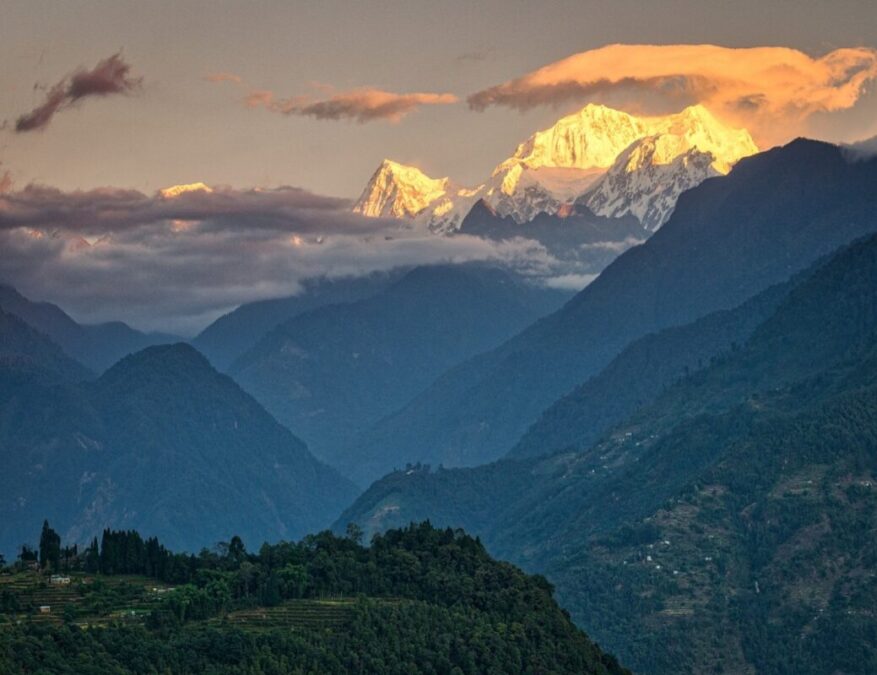
Sikkim is much more than Gangtok, Tsomgo Lake, Yumthang Valley and Gurudongmar Lake. The state stretches from the eastern Silk Route and high-altitude border landscapes to the Khangchendzonga National Park, sacred lakes, alpine valleys, monasteries, Lepcha villages, waterfalls and some of the finest Himalayan trekking routes in India.
This guide brings together the major places to visit in Sikkim in one practical destination guide. It includes the popular tourist circuits as well as offbeat villages, viewpoints, lakes, waterfalls, monasteries, high-altitude landscapes and specialist trekking destinations.
The most useful way to plan Sikkim is by overnight base. Gangtok works for eastern Sikkim excursions, Zuluk and Nathang for the Old Silk Route, Lachung and Lachen for North Sikkim, Yuksom for the western Khangchendzonga trekking corridor, Dzongu for Lepcha villages and northern trekking approaches, and Pelling, Ravangla, Namchi, Rinchenpong and Uttarey for West and South Sikkim.
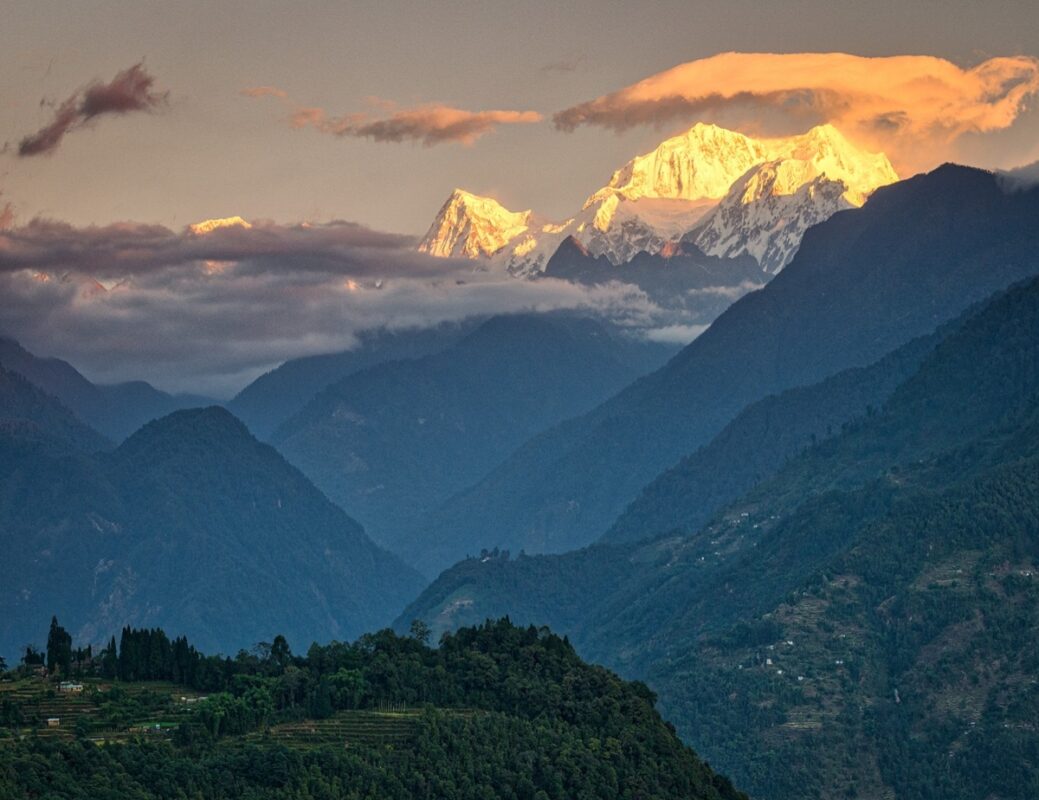
Gangtok: The Main Base for Eastern Sikkim
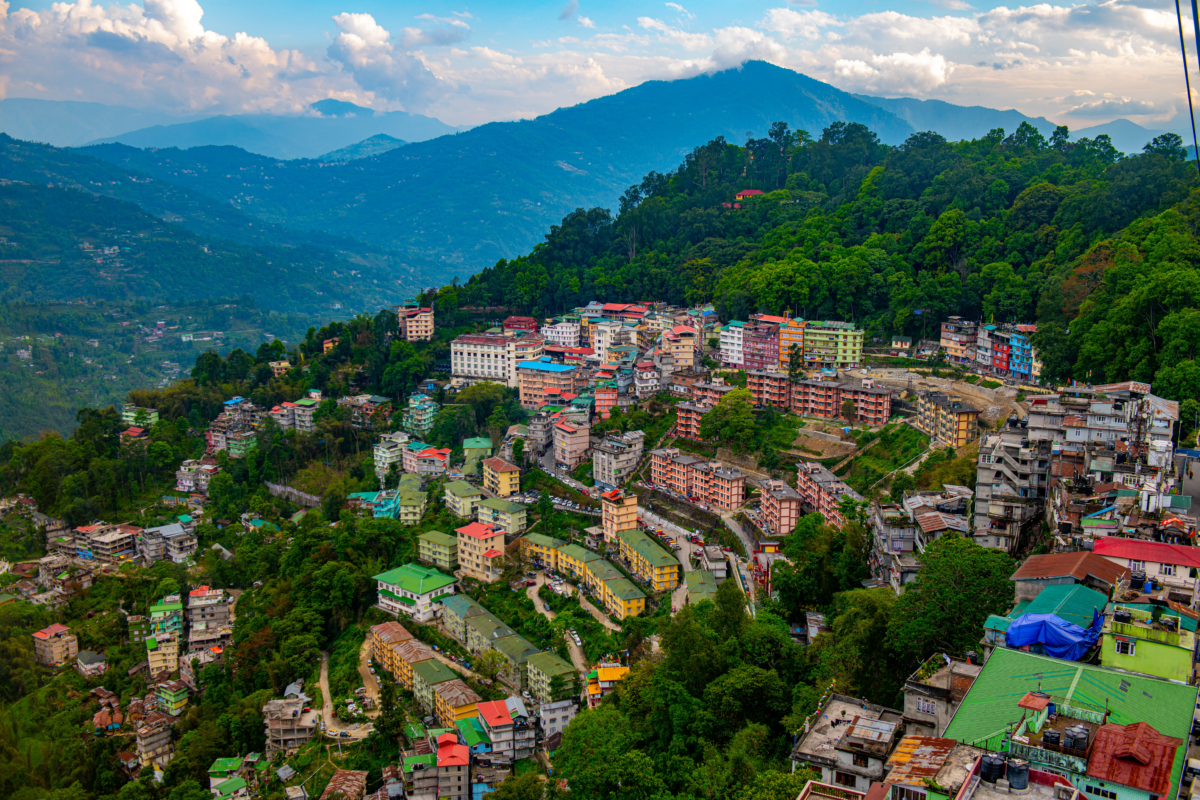
Gangtok is the most practical base for exploring eastern Sikkim. Allow 2 nights for the city and nearby attractions, or 3 nights if you want to combine Gangtok sightseeing with a full-day excursion towards Tsomgo Lake and Nathula. A short visit can cover the central attractions in one day, while the surrounding viewpoints, monasteries, villages and waterfalls are better spread over two sightseeing days.
MG Marg
MG Marg is the pedestrian heart of Gangtok, lined with cafés, restaurants, shops and local businesses. It is best explored in the evening after returning from a sightseeing circuit.
Tsuklakhang Monastery
Tsuklakhang is one of Gangtok’s important Buddhist religious centres and an easy cultural stop during a city sightseeing circuit.
Enchey Monastery
Enchey Monastery sits above Gangtok in a forested setting and provides both spiritual atmosphere and views across the surrounding Himalayan landscape.
Namgyal Institute of Tibetology
This important cultural institution houses Tibetan Buddhist manuscripts, thangkas, sculptures and other Himalayan artefacts. It fits naturally into a central Gangtok heritage circuit.
Do Drul Chorten
The white stupa and surrounding prayer wheels make Do Drul Chorten one of Gangtok’s best-known Buddhist landmarks. It can be combined with Tibetology and nearby attractions.
Directorate of Handicrafts and Handloom
The centre showcases traditional Sikkimese weaving, woodwork, carpets and handicrafts. It is particularly useful for travellers interested in local culture and traditional crafts.
Flower Exhibition Centre
The Flower Exhibition Centre displays Sikkim’s rich collection of orchids and Himalayan flowering plants. Seasonal flowering makes this a particularly attractive stop for photographers.
Gangtok Ropeway
The cable car provides an elevated view over Gangtok and the surrounding hills. It is an easy activity to add between city attractions when operating conditions permit.
Nam Nang Viewpoint
Nam Nang provides an elevated perspective over Gangtok and the surrounding mountain slopes. It works well as a short viewpoint stop rather than a separate half-day excursion.
Tashi View Point
Tashi View Point is one of Gangtok’s classic sunrise and mountain-view locations. On clear mornings, the distant Himalayan peaks provide the main attraction.
Ganesh Tok
Ganesh Tok is a small hilltop temple and viewpoint overlooking Gangtok. It can be combined with Hanuman Tok and the Himalayan Zoological Park.
Hanuman Tok
Hanuman Tok is a hilltop temple with broad views of the surrounding mountains. It is normally visited as part of the northern Gangtok sightseeing circuit.
Himalayan Zoological Park
The park provides an opportunity to see Himalayan wildlife in a naturalistic environment. It is especially useful for families and travellers interested in Sikkim’s fauna.
Banjhakri Falls
Banjhakri Falls is a landscaped waterfall attraction surrounded by forest and traditional Sikkimese cultural elements. It works well as a short excursion from Gangtok.
Bakthang Waterfall
Bakthang is one of the easiest waterfalls to visit from Gangtok and is generally included with the northern city circuit around Tashi View Point.
Saramsa Garden
Saramsa Garden is a landscaped botanical attraction with flowering plants, lawns and Himalayan vegetation. It is particularly pleasant when combined with nearby eastern Gangtok excursions.
Kanchendzonga Tourist Park
This quieter attraction provides landscaped spaces and views of the surrounding mountains. It can be used as an additional stop when building a relaxed Gangtok sightseeing day.
Rumtek Monastery
Rumtek is one of Sikkim’s most important Tibetan Buddhist monasteries and is located outside central Gangtok. Allow a substantial part of the day if combining it with other southern Gangtok-area attractions.
Ranka Monastery
Also known as Lingdum Monastery, Ranka is surrounded by forested hills and has a peaceful monastic setting. It can be combined with nearby village and valley excursions.
Martam Village
Martam offers a quieter rural landscape of traditional settlements, terraced fields and mountain views. It is better suited to travellers looking for a village experience than a quick sightseeing stop.
Nazitam
Nazitam is an offbeat eastern Sikkim landscape with forest, mountain roads and rural surroundings. It can be incorporated into an extended Gangtok or East Sikkim circuit.
Sang and Sang Zingla
The Sang area introduces travellers to terraced agricultural landscapes and quieter countryside outside Gangtok. It is particularly interesting for travellers looking beyond conventional city sightseeing.

Practical Gangtok plan: With 2 nights, keep the first day for Gangtok’s central monasteries, viewpoints, markets and cultural attractions and the second for the Tsomgo–Baba Mandir circuit. With 3 nights, use the additional day for Rumtek/Ranka, Martam, Sang or another East Sikkim excursion.
Tsomgo Lake, Baba Mandir and Nathula
This is the classic high-altitude excursion from Gangtok and should normally be treated as a full-day circuit. Tsomgo, the Baba Harbhajan Singh Memorial and Nathula are geographically connected but should not be treated as interchangeable attractions. Additional high-altitude lakes and viewpoints can be encountered along the wider eastern route, subject to access and permissions.
Tsomgo Lake
Tsomgo, also called Changu Lake, is a glacial lake surrounded by steep Himalayan slopes. Its appearance changes dramatically between the snow-covered winter landscape and the flowering season.
Baba Harbhajan Singh Memorial
The memorial is located on the high-altitude road beyond Tsomgo and has become one of the best-known stops on the eastern Sikkim circuit.
Nathula Pass
Nathula is the historic mountain pass connecting Sikkim with the Tibetan plateau. Access is controlled and depends on prevailing permissions, weather and official operating conditions.
Kyongnosla Alpine Sanctuary
The sanctuary protects high-altitude Himalayan flora and fauna around the Tsomgo–Nathula region. It is particularly notable for alpine vegetation and rhododendrons.
Old Baba Mandir
The original Baba Mandir site is associated with the legend of Harbhajan Singh and is located along the older eastern Sikkim route.
New Baba Mandir
The newer memorial complex is more commonly incorporated into standard tourist excursions towards Nathula and Tsomgo.
Hangu Lake
Hangu or Hangul Lake lies along the high-altitude eastern Sikkim route. Its roadside setting makes it a useful additional lake stop when conditions and the route permit.
Zuluk, Nathang and the Old Silk Route
The Old Silk Route is better planned as an overnight circuit rather than a day trip from Gangtok. A 1-night stay can cover Zuluk, Thambi View Point, Lungthung and Nathang, while 2 nights allow more time for the higher viewpoints, lakes and historic route. The circuit is particularly attractive in winter when Nathang becomes a major snow destination.
Rongli
Rongli is an important gateway to the Old Silk Route and the lower eastern Sikkim circuit. It is primarily a route and permit-related stop rather than an overnight destination for most travellers.
Lingtam
Lingtam is a quieter village on the Old Silk Route and provides a more rural alternative to the busier tourist bases.
Phadamchen
Phadamchen is a useful overnight base on the Old Silk Route, surrounded by forests and mountain landscapes. It works particularly well for travellers who want to break the journey before reaching Zuluk.
Zuluk
Zuluk is famous for its dramatic mountain roads, sharp bends and panoramic Himalayan scenery. The village is one of the principal overnight bases on the Old Silk Route.
Thambi View Point
Thambi View Point is one of the signature viewpoints of the Old Silk Route, famous for its sweeping views over the zigzag road and Kanchenjunga range.
Lungthung
Lungthung is a high-altitude settlement and viewpoint area above Zuluk. It provides dramatic open Himalayan scenery and is often combined with Thambi View Point.
Tukla Valley
Tukla Valley is a high-altitude landscape associated with the historic route towards the eastern passes. The open terrain becomes especially striking during winter.
Nathang Valley
Nathang or Gnathang sits at around 13,500 feet and is one of Sikkim’s most distinctive winter landscapes. It is particularly suited to travellers looking for snow, high-altitude scenery and an offbeat overnight stay.
Read the detailed Nathang Valley guide for its winter landscape and snow experience.
Kalipokhri
Kalipokhri is a small high-altitude lake along the Old Silk Route. Its dark waters and remote mountain setting make it an atmospheric stop on the eastern circuit.
Kupup Lake
Kupup Lake, often associated with its distinctive shape, is one of the best-known high-altitude lakes on the Old Silk Route. It is usually visited during the Zuluk–Nathang excursion.
Elephant Lake
Elephant Lake, also called Hati Lake, is another scenic high-altitude water body in the Kupup area. Its distinctive outline makes it a popular photography stop.
Nag Temple
The Nag Temple is a small but culturally interesting roadside attraction on the Old Silk Route. It can be combined with the surrounding lakes and viewpoints.
Rangli Monastery
Rangli Monastery adds a cultural dimension to the Old Silk Route circuit and can be visited while travelling through the lower eastern Sikkim villages.
Cho La
Cho La is a specialist high-altitude border-tourism destination associated with the eastern Sikkim battlefield tourism circuit. Access is regulated and should never be treated as an ordinary sightseeing stop.
Doka-La
Doka-La, also written Do Ka La, is another specialist border-area destination associated with the eastern Sikkim military landscape. Visits depend on official permissions, security arrangements and operating rules.
SetMyTrip’s dedicated Cho La and Doka-La guide should be used for the latest access framework rather than relying on older tourist information.
Practical Old Silk Route plan: A 1-night itinerary can use Zuluk or Nathang as the overnight base and cover the principal viewpoints and lakes in a loop. With 2 nights, add Lingtam/Phadamchen or spend additional time around Nathang and the higher route. Cho La and Doka-La should be planned separately as specialist destinations.
Aritar and East Sikkim’s Lake-and-Village Circuit
Aritar is best treated as a 1-night offbeat base rather than squeezed into a rushed day trip. It works particularly well between the lower eastern Sikkim circuit and the Old Silk Route, and it can also be incorporated into longer Sikkim–Darjeeling itineraries.
Aritar Monastery
Aritar Monastery is a historic Buddhist monastery surrounded by the quieter landscapes of East Sikkim. It is a natural cultural stop when staying in Aritar.
Lampokhri Lake
Lampokhri is a forest-surrounded lake and one of Aritar’s principal attractions. Its peaceful setting makes it suitable for a relaxed morning or afternoon visit.
Parbateswar Shivalaya
This Shiva temple near Aritar adds a Hindu pilgrimage element to the otherwise Buddhist-dominated cultural landscape of the region.
Mankhim View Point
Mankhim provides wide mountain views and is one of the better-known viewpoints around Aritar.
Aritar Dak Bungalow
The historic Dak Bungalow reflects the colonial-era travel infrastructure of the eastern Himalayan region and adds heritage interest to an Aritar stay.
Aritar Helipad Viewpoint
The elevated helipad area offers broad views across the surrounding hills and agricultural landscape.
Practical Aritar plan: With 1 night, cover Lampokhri, Aritar Monastery and Mankhim around the arrival/departure route. With 2 nights, add village walks and combine Aritar with a slower Old Silk Route itinerary.
Lachung, Yumthang and the High Valleys of North Sikkim
Lachung is an overnight base, not merely a sightseeing point. A 1-night stay is enough for the standard Yumthang excursion, while 2 nights allow additional time for Zero Point, Shingba, hot springs, Katao and other high-altitude landscapes when the roads are open.

Lachung
Lachung is a traditional mountain village and the principal base for exploring Yumthang Valley and the higher valleys of North Sikkim.
Lachung Monastery
Lachung Monastery overlooks the valley and provides an important introduction to the religious and cultural heritage of the Lachungpa community.
Yumthang Valley
Yumthang is famous for its alpine meadows, mountain streams, rhododendrons and dramatic Himalayan scenery. It is one of the principal destinations of the North Sikkim circuit.
Shingba Rhododendron Sanctuary
Shingba protects a remarkable concentration of Himalayan rhododendrons around the Yumthang region. The landscape changes significantly during the flowering season.
Yumthang Hot Spring
The hot springs near Yumthang are natural geothermal features beside the mountain river. They are commonly incorporated into the Yumthang excursion.
Zero Point / Yumesamdong
Yumesamdong, commonly called Zero Point, lies beyond Yumthang in a much higher alpine landscape. Snow conditions can persist well beyond the main winter months.
Sanglaphu
Sanglaphu is a high-altitude landscape and lake region beyond the conventional Yumthang circuit. Access depends on current road and tourism permissions.
Dombang Valley
Dombang is a remote high-altitude valley associated with the extended Lachung circuit. It is better suited to specialist travellers than conventional first-time sightseeing.
Gora La
Gora La is a high mountain pass and specialist destination in the extended Lachung-side landscape. Access is dependent on road, weather and official permissions.
Mt. Katao
Katao is known for its high-altitude mountain scenery and winter snow. It is an optional specialist excursion from Lachung when access is permitted.
Bhim Nala Waterfall
Bhim Nala is one of North Sikkim’s most impressive roadside waterfalls. Its multi-tiered cascade makes it an easy scenic stop while travelling through the Lachung corridor.
Seven Sisters Waterfall
Seven Sisters is a striking multi-stream waterfall on the North Sikkim road. It is normally an en-route sightseeing stop rather than a destination requiring an overnight stay.
Naga Waterfall
Naga Waterfall is another scenic roadside cascade in the North Sikkim corridor and can be photographed during the journey between the lower valleys and Lachung.
Twin Waterfalls
The Twin Waterfalls are another set of mountain cascades encountered along the North Sikkim road network. They are best treated as short en-route stops.
Chungthang
Chungthang is the major road junction where the North Sikkim routes divide towards Lachen and Lachung. The surrounding confluence landscape makes it an important en-route geographical landmark.
Chungthang Confluence
The confluence of the Teesta and Lachung Chu rivers is one of the notable natural features around Chungthang. It is particularly useful as a short stop while changing between the two North Sikkim corridors.
Lachung Chu Valley
The river valley provides the dramatic mountain setting through which the road climbs towards Lachung and Yumthang. Much of the journey itself functions as scenic sightseeing.
Before travelling to Lachung, check the current North Sikkim road and permit update because road access and tourist permissions can change after landslides, snowfall or other disruptions.
Practical Lachung plan: With 1 night, travel to Lachung and use the following day for Yumthang, the hot spring and Zero Point before returning. With 2 nights, use the additional time for Katao, Sanglaphu or other permitted high-altitude excursions instead of attempting to squeeze every location into one day.
Lachen, Gurudongmar and the Northern High-Altitude Landscape
Lachen is the main base for the northern high-altitude circuit. A standard itinerary normally requires 1 night in Lachen, with the Gurudongmar excursion beginning very early the following morning. Travellers interested in Chopta Valley, Kala Patthar, Thangu and specialist northern routes should consider additional time rather than treating everything as a single excursion.

Lachen
Lachen is a traditional high-altitude village and the principal overnight base for the Gurudongmar and northern Khangchendzonga routes.
Lachen Monastery
Lachen Monastery is an important Buddhist centre and a cultural landmark of the Lachenpa community.
Singhik
Singhik is an important mountain viewpoint and roadside stop on the route towards North Sikkim. On clear days, the landscape opens towards the high Himalayan peaks.
Seven Sister Waterfalls
On the North Sikkim road, the waterfall is an easy en-route attraction rather than a separate overnight destination.
Chungthang
Chungthang marks the important junction between the Lachen and Lachung roads and is a natural stopping point during North Sikkim transfers.
Zema
Zema is the northern route junction and gateway towards the higher Lachen–Thangu landscape. It becomes particularly important for travellers continuing towards specialist trekking routes.
Yathang
Yathang lies deeper in the northern mountain landscape and is associated with routes towards Green Lake and the Khangchendzonga high-altitude trekking region.
Thangu Valley
Thangu is a high-altitude plateau and one of the final major motorable settlements on the route towards Gurudongmar. Its landscape becomes increasingly alpine and sparse.
Chopta Valley
Chopta Valley is one of the most scenic green high-altitude valleys on the northern route, with meadows, mountain streams and views towards the surrounding peaks.
Gurudongmar Lake
Gurudongmar is one of Sikkim’s most famous high-altitude sacred lakes, surrounded by stark Himalayan terrain. The excursion requires an early start from Lachen because of the distance and altitude.
Kala Patthar
Kala Patthar is a very high snow-covered landscape reached through the Lachen–Thangu side of North Sikkim. It is a specialist high-altitude excursion rather than a routine village sightseeing stop.
The dedicated Kala Patthar guide covers this specialist snow destination in greater detail.
Tso Lhamo Lake
Tso Lhamo is an extremely high and remote Himalayan lake associated with the northern Khangchendzonga landscape. Access is highly restricted and should be planned as a specialist destination.
Donkia La
Donkia La is a high mountain pass in the northern Khangchendzonga landscape. It belongs to the specialist trekking and restricted-area geography rather than ordinary tourist sightseeing.
Zemu Chu
Zemu Chu is a major glacial river flowing through the northern Khangchendzonga landscape. It is particularly important to trekkers exploring the Zemu Valley and Green Lake approaches.
Lamo Andong View Point
Lamo Andong is associated with the high mountain landscape near the Zemu Chu confluence. It is primarily of interest to specialist travellers exploring the northern trekking corridor.
Lamo Andong Peak
Lamo Andong Peak belongs to the specialist high-altitude landscape of northern Sikkim and should be considered a mountaineering or trekking objective rather than normal sightseeing.
Green Lake
Green Lake is one of the major high-altitude trekking destinations of the northern Khangchendzonga region. Reaching it requires a multi-day expedition rather than a road excursion.
Green Lake Basin
The Green Lake Basin lies within the dramatic high-altitude landscape below the surrounding Khangchendzonga peaks and glaciers. It forms part of the specialist Green Lake trekking corridor.
Zemu Valley
Zemu Valley is a remote Himalayan valley surrounded by some of Sikkim’s most dramatic peaks and glaciers. It is accessed through specialist trekking routes from the Lachen side.
Zemu Glacier
Zemu Glacier is one of the defining glacial features of northern Sikkim. It belongs to the specialist trekking and mountaineering landscape rather than conventional tourism.
Khangchendzonga Base Camp
The northern Khangchendzonga Base Camp region is a remote high-altitude trekking destination reached through routes beginning around Lachen and the northern valleys.
Muguthang
Muguthang lies in the remote Lhonak Valley and represents one of the most specialist northern destinations in Sikkim. It is associated with high-altitude trekking and restricted-area travel.
Practical Lachen plan: For ordinary tourism, use Lachen as a 1-night base and dedicate the following day to Gurudongmar with permitted extensions towards Chopta Valley or Kala Patthar. Travellers targeting Green Lake, Muguthang or the northern Khangchendzonga routes should plan a dedicated multi-day expedition rather than mixing these objectives into a standard North Sikkim holiday.
Khangchendzonga National Park and Yuksom
Khangchendzonga National Park deserves its own place in any serious list of Sikkim destinations. It is not simply a sightseeing attraction: the park includes forests, alpine meadows, sacred lakes, glaciers, high passes and several multi-day trekking corridors. The principal trekking gateway on the western side is Yuksom, while Lachen and Dzongu provide northern and eastern approaches. SetMyTrip’s dedicated Khangchendzonga National Park guide covers the park’s different zones and trekking approaches.
Yuksom
Yuksom is the historic gateway to western Khangchendzonga and the principal base for the Goecha La and Dzongri trekking routes.
Norbugang
Norbugang is historically significant as the traditional coronation site of Sikkim’s first Chogyal. It is one of Yuksom’s most important heritage attractions.
Kathok Lake and Monastery Complex
The Kathok tradition is closely associated with Yuksom’s Buddhist heritage and the early history of Sikkim’s monarchy.
Dubdi Monastery
Dubdi is one of Sikkim’s oldest monasteries and is reached through a forested trail from Yuksom. It provides an excellent short hike for visitors staying in the village.
Sachen
Sachen is one of the first trekking camps on the Goecha La and Dzongri corridor. It is a trekking stage rather than an independent tourist village.
Bakhim
Bakhim is an important trail stage above Sachen on the western Khangchendzonga trekking route and provides increasingly open mountain views.
Tshoka
Tshoka is a high-altitude trekking settlement surrounded by forests and mountain scenery. It is one of the best-known overnight stages on the Goecha La route.
Phedang
Phedang is a high trail camp and viewpoint on the Dzongri–Goecha La trekking corridor. It is encountered only on the multi-day trekking route.
Dzongri
Dzongri is one of Sikkim’s most famous trekking destinations, offering expansive views of the Khangchendzonga range. The Dzongri route is generally planned as a multi-day trek from Yuksom.
Dzongri Meadows
The broad alpine meadows around Dzongri are among the defining landscapes of the western Khangchendzonga trekking route.
Dzongri Top
Dzongri Top is a major sunrise and mountain viewpoint, with panoramic views across the Khangchendzonga range and surrounding Himalayan peaks.
Dzongri View Point
The viewpoint provides one of the most rewarding high-altitude panoramas on the trekking route and is usually visited during an acclimatization morning.
Kokchurang
Kokchurang is an overnight trekking camp near the Prek Chu valley and forms part of the route towards Thansing and Goecha La.
Prek Chu Valley
The Prek Chu river valley provides a dramatic mountain corridor through forests and alpine terrain on the Goecha La route.
Thansing
Thansing is an important overnight camp below the higher Goecha La landscape and offers spectacular views of Mount Pandim and surrounding peaks.
Lamuney
Lamuney is the final major camp before the Goecha La ascent and is surrounded by an increasingly stark alpine landscape.
Samiti Lake
Samiti Lake is one of the most spectacular high-altitude lakes on the Goecha La route, with Mount Pandim rising dramatically behind it.
Goecha La
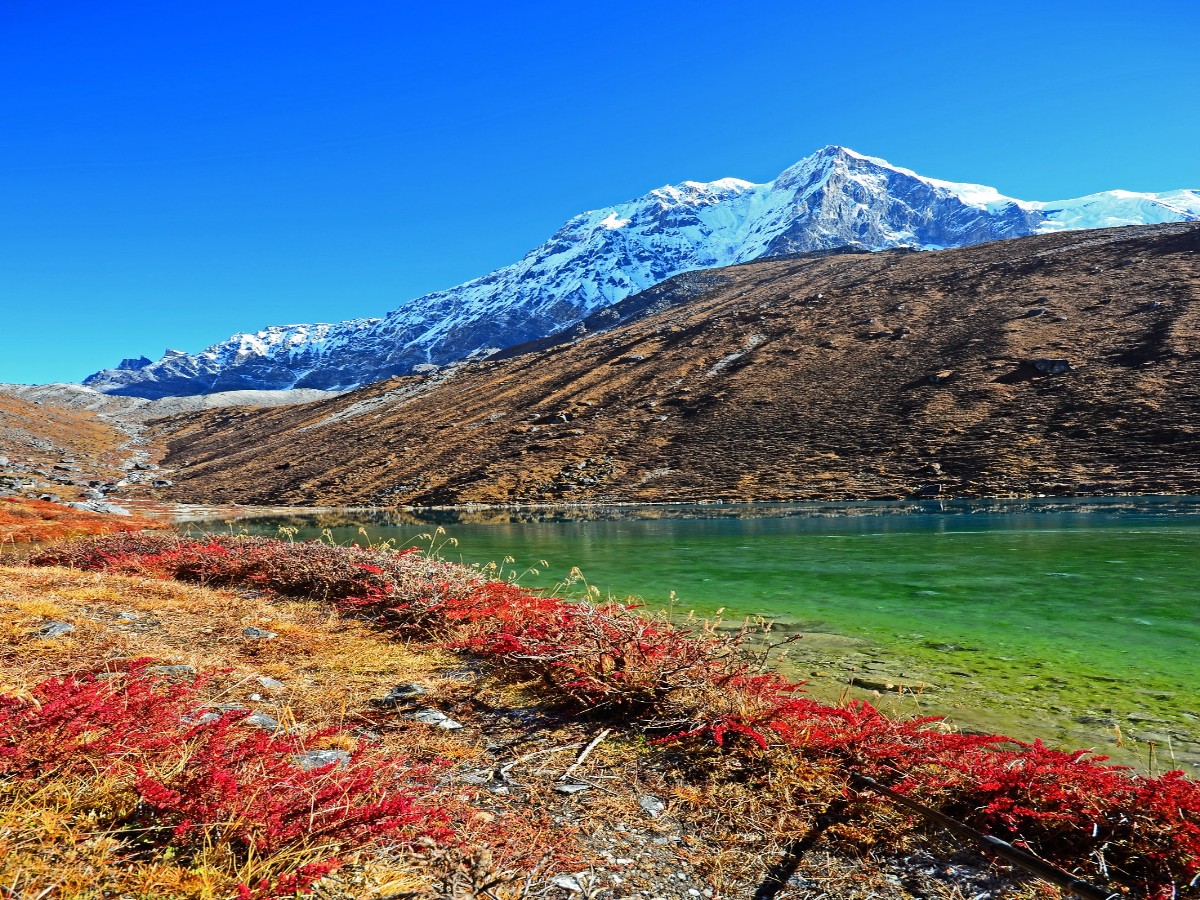
Goecha La is one of India’s premier Himalayan trekking destinations, approached through the Yuksom–Dzongri corridor. The full expedition generally requires around a week or more depending on the itinerary.
Goecha La View Points
The various Goecha La viewpoints provide progressively closer perspectives of the Khangchendzonga range and Mount Pandim during the high-altitude trek.
Mount Pandim
Mount Pandim is one of the most prominent peaks seen from the Goecha La route and dominates the landscape around Thansing and Samiti Lake.
Mount Khangchendzonga Views
The western trekking corridor provides some of Sikkim’s finest close-range views of the Khangchendzonga massif, especially around Dzongri and the higher camps.
Kabru
The Kabru peaks form part of the dramatic skyline visible from the western Khangchendzonga trekking corridor.
Rathong Valley
Rathong Valley forms part of the high Himalayan landscape around Yuksom and the western Khangchendzonga region.
Rathong Glacier
Rathong Glacier is a specialist glacial destination within the Khangchendzonga landscape and is associated with trekking and mountaineering routes.
HMI Base Camp
The Himalayan Mountaineering Institute Base Camp area belongs to the specialist western Khangchendzonga trekking landscape and is not a conventional road-access sightseeing destination.
Bhale Pokhari
Bhale Pokhari is a sacred high-altitude lake associated with the HMI Base Camp trekking region and the high mountain landscape around Kabru Dome.
Doodh Pokhari
Doodh Pokhari is the smaller companion lake associated with Bhale Pokhari. Both water bodies are reached through specialist trekking routes.
Kabru Dome
Kabru Dome forms part of the high mountain skyline around the western Khangchendzonga trekking landscape and is primarily of interest to trekkers and mountaineers.
Practical Khangchendzonga plan: Yuksom itself can be explored in 1–2 nights, including Norbugang, Dubdi and local trails. The Dzongri trek generally requires several trekking days, while the Goecha La expedition requires a substantially longer multi-day itinerary. These routes should not be presented as day trips.
Dzongu and the Lepcha Mountain Villages
Dzongu is one of Sikkim’s strongest offbeat destinations and should be treated as a 2-night or 3-night base. The region combines Lepcha villages, forests, waterfalls, hot springs, monasteries and access to specialist Khangchendzonga trekking routes. A single day is insufficient if the objective is to experience Dzongu beyond a passing road journey.
Dzongu
Dzongu is a protected Lepcha region of forests, rivers, traditional villages and mountain landscapes. It is one of the best places in Sikkim for travellers seeking cultural immersion and slower travel.
Upper Dzongu
Upper Dzongu contains some of the quieter mountain villages and forested landscapes of the Lepcha reserve. It is suited to village walks and homestay-based travel.
Lower Dzongu
Lower Dzongu provides easier access to several villages, rivers and cultural attractions and works well as an introductory Dzongu base.
Lingthem
Lingthem is one of Dzongu’s best-known villages, offering mountain views, traditional settlement patterns and short walking opportunities.
Lingza
Lingza is a quieter Lepcha village surrounded by forests and agricultural landscapes. It works well for travellers looking for a slower rural experience.
Tingvong
Tingvong combines traditional Lepcha village life with forested Himalayan surroundings and short walking trails.
Kusong
Kusong is known for traditional houses, village landscapes and nature walks. It is better experienced through a homestay than a quick sightseeing stop.
Sakyong
Sakyong is an important northern Dzongu settlement and a significant access point for more remote trekking routes.
Pentong
Pentong lies in the higher Dzongu landscape and is suited to travellers interested in remote mountain villages and Himalayan views.
Be Village
Be Village is important as the starting area for the demanding Kishong Lake trekking route. It should therefore be treated as a specialist trekking gateway.
Bay
Bay provides access towards Tholung and the northern Dzongu trekking landscape, including routes to the monastery and hot springs.
Tholung Valley
Tholung Valley is a remote mountain valley surrounded by forests and high Himalayan terrain. It is accessed through trekking routes rather than normal tourist transport.
Tholung Monastery
Tholung Monastery is an important cultural site in the Lepcha region and is reached through a mountain trek from the Dzongu side.
Tholung Hot Spring
The Tholung hot spring lies in the remote valley and provides a natural geothermal attraction within the specialist trekking landscape.
Lingzya Hot Spring
Lingzya Hot Spring is one of Dzongu’s natural geothermal attractions, surrounded by forest and mountain scenery.
Rungdung Waterfall
Rungdung is a remote waterfall attraction associated with Dzongu’s forested landscape and village trails.
Nyaythang
Nyaythang is part of the remote Dzongu landscape and is best experienced as part of longer village or trekking itineraries.
Lahringphu Cave
Lahringphu is a specialist natural and cultural site associated with the remote Dzongu mountain landscape.
Kishyong Lake / Kishong Tso
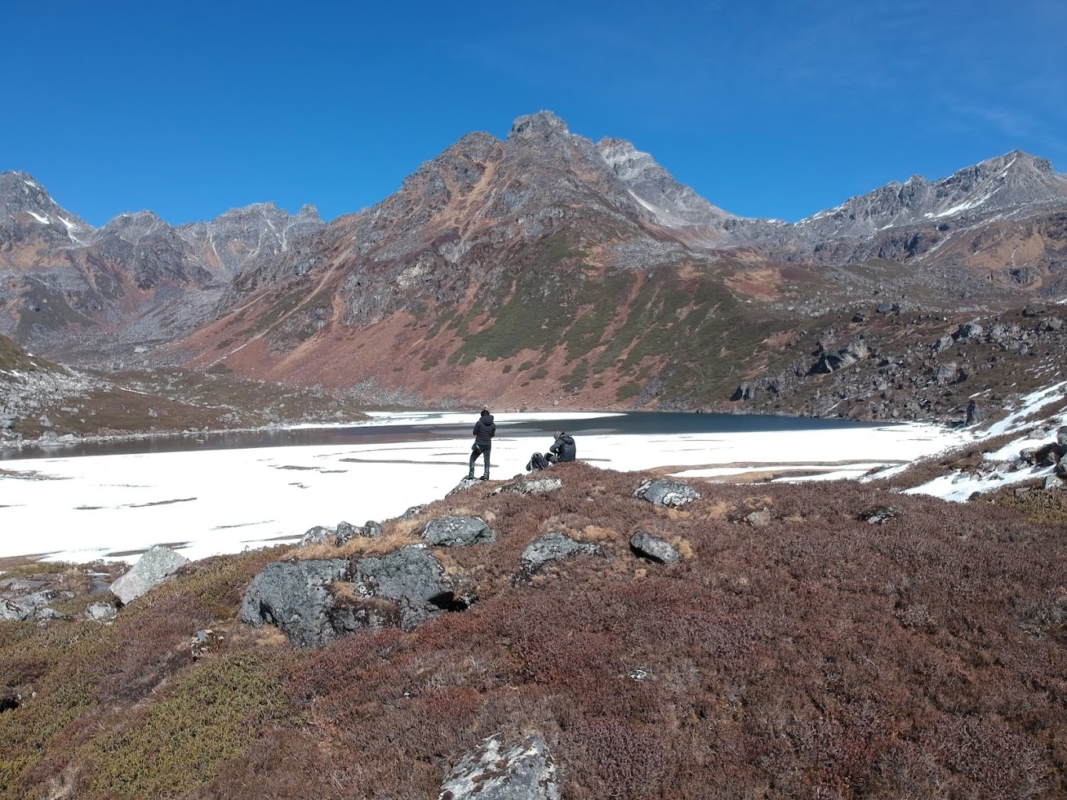
Kishyong Lake is a remote high-altitude glacial lake within the Khangchendzonga landscape. The demanding trek begins from the Dzongu side and is intended for experienced trekkers.
Kishong La
Kishong La is the high mountain pass associated with the Kishong Lake trekking corridor and belongs to the specialist Khangchendzonga landscape.
Keushong Valley
Keushong Valley is the remote high-altitude valley surrounding the Kishong Lake route, offering dramatic views of the surrounding Himalayan terrain.
Practical Dzongu plan: Stay 2 nights for Lingthem, Tingvong, Kusong and a hot-spring or village circuit. Use 3 nights if you want a slower cultural experience or are preparing for a specialist trek. Kishong Lake and Tholung should be planned as dedicated trekking objectives rather than ordinary day excursions.
Pelling and the Khangchendzonga View Circuit
Pelling is one of the best bases in West Sikkim for combining monasteries, historic ruins, waterfalls, sacred lakes and spectacular Khangchendzonga views. 2 nights works well for the major attractions, while 3 nights allows additional village and waterfall excursions.
The original page’s Pelling imagery can be retained here without changing the existing image assets.
Pelling
Pelling is a major West Sikkim hill destination known for mountain views, monasteries, waterfalls and access to several important heritage sites.
Pemayangtse Monastery
Pemayangtse is one of Sikkim’s most important monasteries and is renowned for its Buddhist art, architecture and religious heritage.
Rabdentse Ruins
Rabdentse was the former royal capital of Sikkim and its forested ruins provide an important historical attraction near Pelling.
Chenrezig Statue
The giant Chenrezig statue forms the centrepiece of Pelling’s modern Buddhist attraction and rises above the surrounding landscape.
Pelling Skywalk
The glass Skywalk leads towards the Chenrezig statue and combines a modern attraction with sweeping Himalayan views.
Sanga Choeling Monastery
Sanga Choeling is one of the older monasteries around Pelling and provides a quieter alternative to the more heavily visited Pemayangtse circuit.
Darap Village
Darap is a traditional village near Pelling where travellers can experience rural life, local architecture and community-based tourism.
Khecheopalri Lake
Khecheopalri is one of Sikkim’s most sacred lakes, revered by both Buddhist and Hindu communities. The forest surrounding the lake adds to its tranquil atmosphere.
Khecheopalri Monastery
The monastery near the sacred lake provides an additional cultural stop and helps place the lake within its wider Buddhist landscape.
Rimbi Waterfall
Rimbi Waterfall is a scenic waterfall south of Pelling and can be combined with the surrounding river and village attractions.
Rimbi Rock Garden
The rock garden beside the river provides landscaped viewpoints and short walks around the Rimbi area.
Rimbi Orange Garden
The orange-growing landscape provides a rural agricultural experience and is especially attractive during the fruiting season.
Kanchenjunga Falls
Kanchenjunga Falls is one of the most powerful and photogenic waterfalls in the Pelling region, fed by mountain streams from the higher Himalayas.
Singshore Bridge
Singshore Bridge is one of Sikkim’s most dramatic suspension bridges and can be incorporated into a longer Pelling–Dentam excursion.
Dentam Valley
Dentam is a broad West Sikkim valley surrounded by mountains, villages and waterfalls. It works well as an extension to a Pelling stay.
Changey Waterfall
Changey Waterfall is a quieter waterfall attraction in the Dentam–Uttarey side of West Sikkim and suits travellers looking for less crowded landscapes.
Practical Pelling plan: With 2 nights, use one day for Pemayangtse, Rabdentse, Skywalk and nearby attractions, and the second for Khecheopalri, Kanchenjunga Falls and Rimbi. With 3 nights, add Singshore Bridge, Dentam and Changey Waterfall as a separate excursion.
Ravangla, Maenam and Temi
Ravangla works well as a 1- or 2-night base in South Sikkim. It combines Buddhist attractions, mountain viewpoints, trekking opportunities, hot springs and access towards Temi.
Ravangla
Ravangla is a scenic South Sikkim hill destination surrounded by forested mountains and panoramic Himalayan views.
Buddha Park
Buddha Park is dominated by the large Buddha statue and landscaped surroundings, making it one of Ravangla’s principal cultural attractions.
Cho Djo Lake
Cho Djo Lake is a quieter water body around the Ravangla region and can be combined with the area’s broader sightseeing circuit.
Ralong Monastery
Ralong is an important Buddhist monastery near Ravangla and is one of the region’s key cultural attractions.
Ralong Hot Spring
The Ralong hot spring provides a natural geothermal experience amid forested mountain surroundings.
Rayong Sunrise View Point
Rayong provides an elevated viewpoint for early-morning Himalayan scenery and can be visited around sunrise.
Maenam Hill
Maenam Hill is one of South Sikkim’s principal trekking destinations, offering forest trails and expansive views from higher elevations.
Maenam Wildlife Sanctuary
The sanctuary protects forest habitats around Maenam and is particularly interesting for trekkers, birdwatchers and nature enthusiasts.
Borong
Borong is a quieter South Sikkim village destination known for mountain scenery, rural landscapes and hot-spring access.
Borong Hot Spring
The Borong hot spring provides a peaceful geothermal experience away from the busier tourist circuits.
Temi Tea Garden
Temi is Sikkim’s best-known tea-growing region, with neatly cultivated slopes and mountain scenery. It works naturally as an en-route stop between South and East Sikkim.
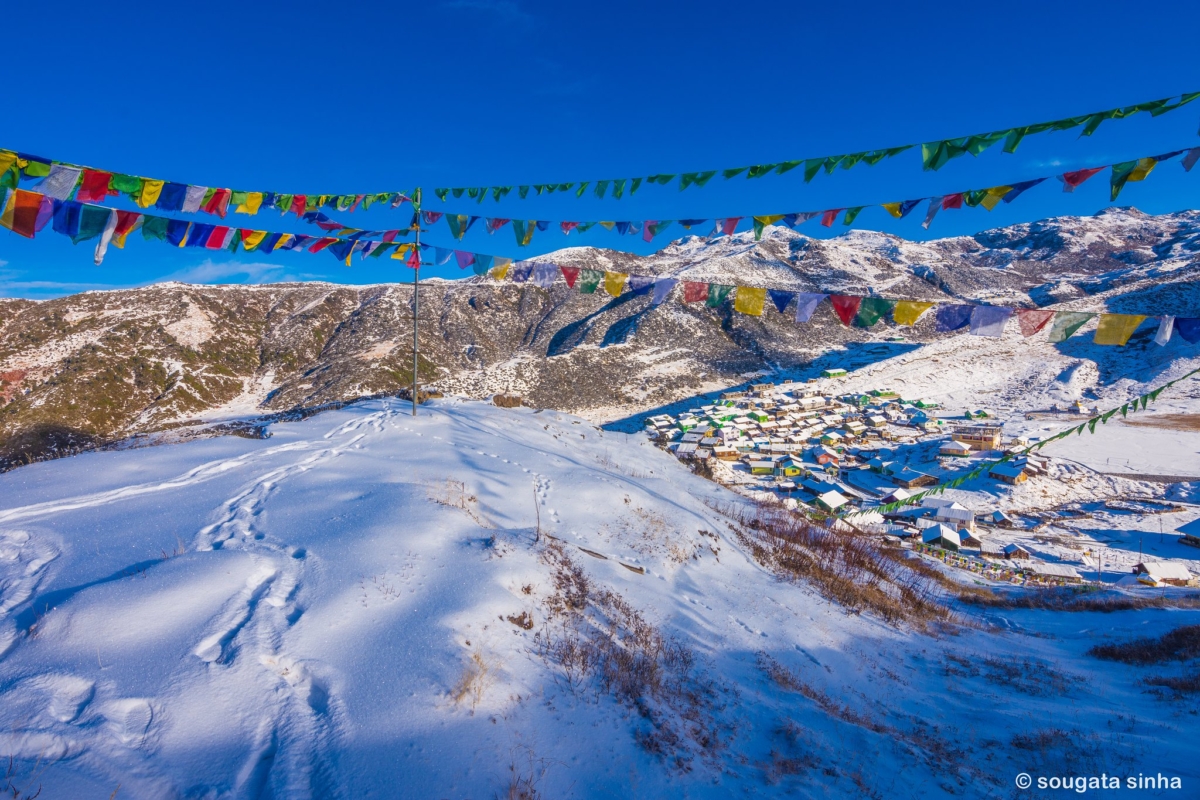
Practical Ravangla plan: A 1-night stay can cover Buddha Park, Ralong and Temi en route. A 2-night stay allows Maenam trekking or a slower Borong and hot-spring excursion.
Namchi, Samdruptse and the Temi Landscape
Namchi is best used as a 1-night South Sikkim base or as part of a route between Ravangla and West/East Sikkim. Its attractions are relatively compact, making a day trip practical when the route is planned efficiently.
Namchi
Namchi is an important South Sikkim town surrounded by mountain viewpoints, monasteries, gardens and cultural attractions.
Siddhesvara Dham
Siddhesvara Dham, popularly known as Char Dham, contains large representations of important Hindu pilgrimage shrines and is one of Namchi’s major attractions.
Samdruptse
Samdruptse is dominated by a huge statue of Guru Padmasambhava and provides panoramic views across the surrounding mountains.
Namchi Rock Garden
The Rock Garden is landscaped along the hillside with pathways, viewpoints and mountain scenery.
Ngadak Monastery
Ngadak Monastery is one of Namchi’s historic Buddhist sites and offers a quieter cultural experience away from the main town attractions.
Tendong Hill
Tendong Hill is a culturally important mountain and trekking destination associated with South Sikkim’s traditional landscape.
Practical Namchi plan: Most travellers can cover Namchi’s main attractions in one full day. Add a night if combining it with Tendong, Temi or a slower South Sikkim village circuit.
Rinchenpong and Kaluk
Rinchenpong and Kaluk are ideal for travellers looking for a quieter West Sikkim mountain stay. Allow 1–2 nights for monasteries, viewpoints, forest walks, heritage attractions and village experiences.
Rinchenpong
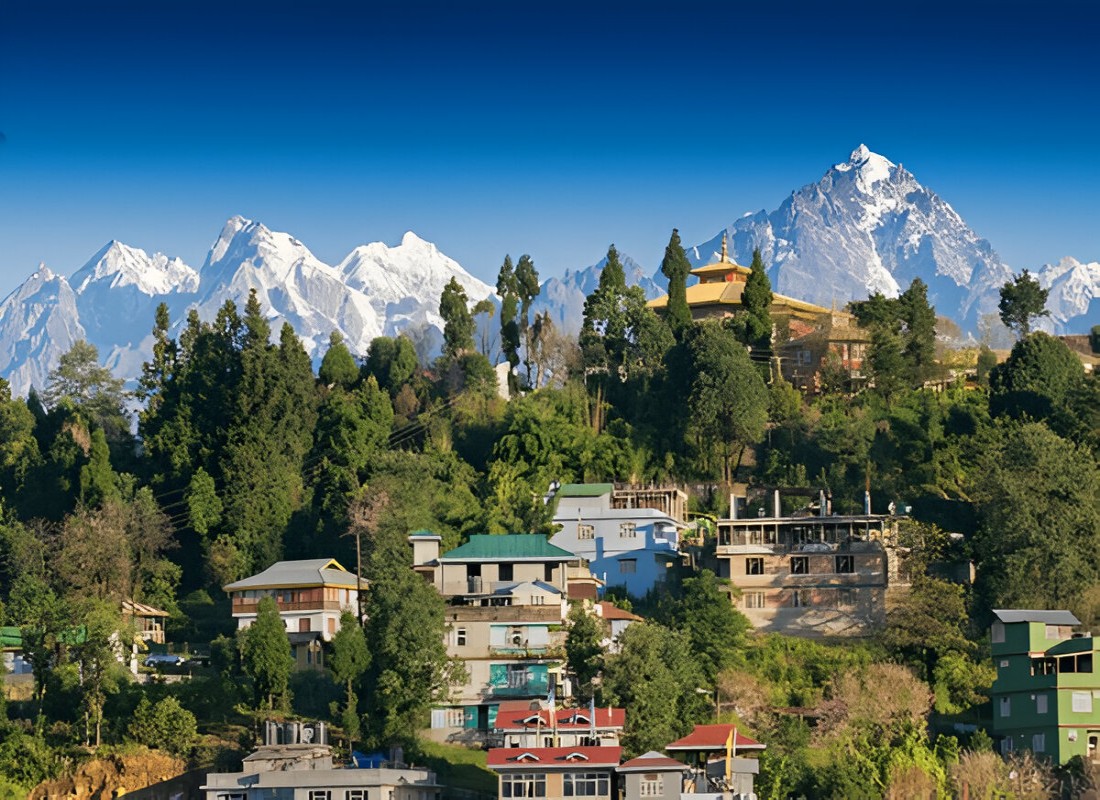
Rinchenpong is a peaceful West Sikkim hill destination known for mountain views, forests, monasteries and traditional village landscapes.
Rinchenpong Monastery
The monastery provides a cultural focal point for the region and is surrounded by forested Himalayan scenery.
Poison Lake
Poison Lake is a small but culturally interesting natural attraction associated with the Rinchenpong landscape.
Heritage House
The heritage house provides insight into traditional Sikkimese architecture and local history.
Resum Monastery
Resum Monastery is associated with the quieter mountain villages around Rinchenpong and can be incorporated into local walking circuits.
Resum Trail
The Resum trail provides an opportunity to explore forest and village landscapes on foot rather than from a vehicle.
Kaluk
Kaluk is a quieter village base below Rinchenpong with broad Himalayan views and a relaxed rural atmosphere.
Kanchenjunga Viewpoints
The Rinchenpong–Kaluk region is particularly attractive for clear-weather mountain views, especially around sunrise.
Village Walks and Birdwatching
The forested villages around Rinchenpong and Kaluk provide opportunities for slow walks, birdwatching and photography.
Practical Rinchenpong plan: One night is enough for the principal monastery and viewpoint circuit. Two nights allow time for village walks, Resum and slower photography around the Kanchenjunga-facing landscapes.
Dentam, Singshore and Uttarey
Dentam and Uttarey form one of the quieter western Sikkim circuits. They are best explored with 1–2 nights rather than as a rushed excursion from Pelling.
Dentam
Dentam is a scenic West Sikkim valley surrounded by forested mountains, villages and waterfalls.
Singshore Bridge
Singshore is one of Sikkim’s most dramatic suspension bridges and provides spectacular views into the deep mountain valley below.
Changey Waterfall
Changey is a quieter waterfall surrounded by forest and rural landscapes, making it suitable for an offbeat western Sikkim circuit.
Uttarey
Uttarey is a remote western Sikkim village close to the Nepal border and is well suited to travellers seeking quiet mountain landscapes.
Kagyu Gumpha
Kagyu Gumpha is an important Buddhist religious site in the Uttarey region and provides a cultural dimension to the western circuit.
Mainbus Waterfall
Mainbus is a quieter waterfall attraction accessible from the western Sikkim villages and suited to travellers exploring beyond the standard circuits.
Chewyabhang Pass
Chewyabhang Pass belongs to the specialist highland landscape around Uttarey and is better suited to hikers and experienced mountain travellers.
Uttarey Village Trails
Local trails around Uttarey pass through forests, agricultural land and traditional settlements, making them suitable for slow hiking and village exploration.
Practical Dentam–Uttarey plan: Use one night for Dentam, Singshore and Changey, then continue towards Uttarey. With a second night, explore the village trails and specialist mountain routes instead of returning immediately to the main tourist circuit.
Specialist Sikkim Treks and Offbeat Himalayan Trails
Not every important place in Sikkim should be treated as a normal sightseeing attraction. Several destinations are primarily multi-day trekking, high-altitude or specialist adventure objectives. These should be planned independently according to permits, weather, physical fitness, guides, camping requirements and current local access rules.
Goecha La Trek
The classic western Khangchendzonga expedition begins at Yuksom and passes through Sachen, Tshoka, Dzongri, Thansing, Lamuney and Samiti Lake before the high pass viewpoints. SetMyTrip’s existing Khangchendzonga material places the trek at roughly 8–10 days depending on itinerary.
Dzongri Trek
The Dzongri route is a shorter alternative to Goecha La, using Yuksom as its base and focusing on Dzongri Meadows and the high mountain viewpoints.
Green Lake Trek
The Green Lake expedition begins from the Lachen side and enters the remote northern Khangchendzonga landscape. It is a challenging multi-day trek rather than a sightseeing excursion.
Kishong Lake Trek
The Kishong Lake expedition begins from Be Village in Dzongu and enters one of the remote high-altitude areas of the Khangchendzonga National Park.
Khangchendzonga Base Camp Trek
The northern base-camp route explores the high valleys beyond Lachen and is intended for experienced trekkers with the appropriate permissions and logistical support.
Kasturi Round Trek
The Kasturi Round Trek is a demanding high-altitude route connecting the western Khangchendzonga trekking landscape with remote mountain passes and valleys.
Khangchendzonga Round Trek
This specialist expedition explores a much larger section of the Khangchendzonga landscape than the conventional Goecha La route and requires substantial preparation.
Dafey Bhir
Dafey Bhir is a specialist ridge and trekking landscape associated with the western Sikkim–Nepal Himalayan region.
Phoktey Dara
Phoktey Dara is a high-altitude viewpoint and trekking destination known for broad Himalayan panoramas. It is best suited to experienced hikers.
Maenam Trek
The Maenam trek provides a shorter forest and mountain hiking experience from the Ravangla region and can be incorporated into a 2-night South Sikkim stay.
Resum Trail
The Resum trail offers a quieter forest and village walking experience around Rinchenpong and is suitable for travellers seeking an easier offbeat alternative to high-altitude trekking.
Dzongu–Khangchendzonga Routes
The Dzongu side provides several specialist approaches into the Khangchendzonga landscape, including Tholung and Kishong routes. These are fundamentally different from standard North Sikkim sightseeing.
For travellers interested in village, culture and offbeat Sikkim trails, the slower Dzongu, Rinchenpong, Uttarey and rural South Sikkim circuits are particularly suitable.
How to Combine the Major Sikkim Bases
The strongest Sikkim itineraries are built around clusters rather than attempting to visit every attraction from one hotel. Gangtok works as the eastern base; Zuluk/Nathang covers the Old Silk Route; Lachung covers Yumthang and the northern valleys; Lachen covers Gurudongmar and the northern high-altitude landscape; Yuksom is the western Khangchendzonga trekking base; Dzongu is the Lepcha and northern offbeat base; and Pelling, Ravangla, Namchi, Rinchenpong and Uttarey form the western and southern circuits.
A practical first-time circuit can therefore combine Gangtok → Zuluk/Nathang → Lachung → Lachen → Pelling. Travellers with additional time can add Ravangla, Namchi, Rinchenpong, Dzongu or Yuksom rather than adding more sightseeing points to an already rushed itinerary.
SetMyTrip’s current Darjeeling and Sikkim tour packages demonstrate the same base-based logic, with itineraries combining Gangtok, Pelling, Lachung, Lachen, Zuluk/Nathang and other Sikkim destinations according to trip duration.
Choosing the Right Sikkim Base for Your Trip
| Base | Best For | Suggested Stay |
|---|---|---|
| Gangtok | City, monasteries, viewpoints, Tsomgo and Nathula | 2–3 nights |
| Zuluk / Nathang | Old Silk Route, snow, high-altitude viewpoints | 1–2 nights |
| Aritar | Lake, monastery and village experience | 1–2 nights |
| Lachung | Yumthang, Zero Point, Katao and high valleys | 1–2 nights |
| Lachen | Gurudongmar, Thangu, Chopta and northern routes | 1–2 nights |
| Yuksom | Khangchendzonga, Dzongri and Goecha La | 2+ nights / trek base |
| Dzongu | Lepcha culture, villages, hot springs and trekking | 2–3 nights |
| Pelling | Monasteries, Khecheopalri, waterfalls and Kanchenjunga | 2–3 nights |
| Ravangla | Buddha Park, Ralong, Maenam and Temi | 1–2 nights |
| Namchi | Char Dham, Samdruptse, Tendong and Temi | 1 night |
| Rinchenpong | Quiet mountain views, monasteries and village walks | 1–2 nights |
| Uttarey | Offbeat West Sikkim and hiking | 1–2 nights |
Final Sikkim Places-to-Visit Checklist
For a comprehensive Sikkim trip, the destination list can be understood as a series of distinct landscapes: Gangtok and East Sikkim; Tsomgo and Nathula; Zuluk and the Old Silk Route; Aritar; Lachung and Yumthang; Lachen and Gurudongmar; Khangchendzonga National Park and Yuksom; Dzongu; Pelling; Ravangla; Namchi and Temi; Rinchenpong and Kaluk; and Dentam and Uttarey.
Beyond these established circuits are specialist destinations such as Green Lake, Kishong Lake, Khangchendzonga Base Camp, Muguthang, Tso Lhamo, Donkia La, Goecha La, Dzongri, Kasturi Round Trek, Khangchendzonga Round Trek, Phoktey Dara and Dafey Bhir. These should be treated as trekking or specialist mountain objectives, not simply added to a conventional sightseeing checklist.
Sikkim therefore works best when the itinerary is designed around where you sleep, how far you travel each day and whether the destination is a road-access attraction or a trekking objective. That approach allows travellers to see more of the state without turning the journey into a sequence of exhausting transfers.
