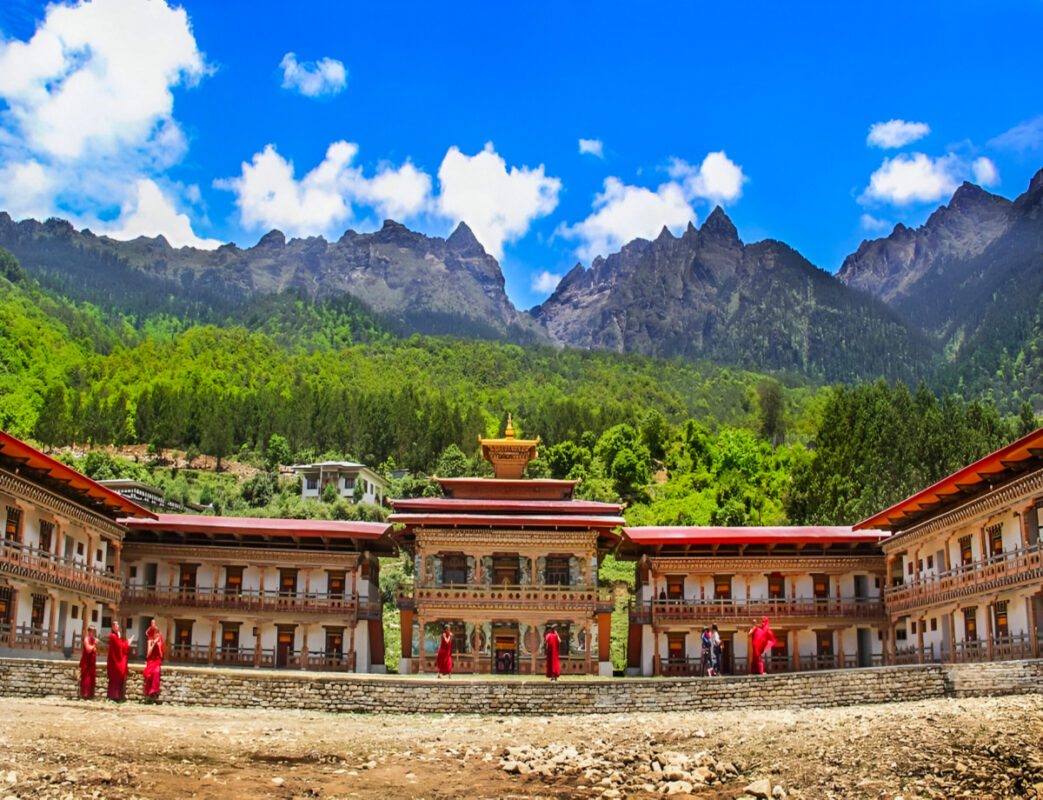
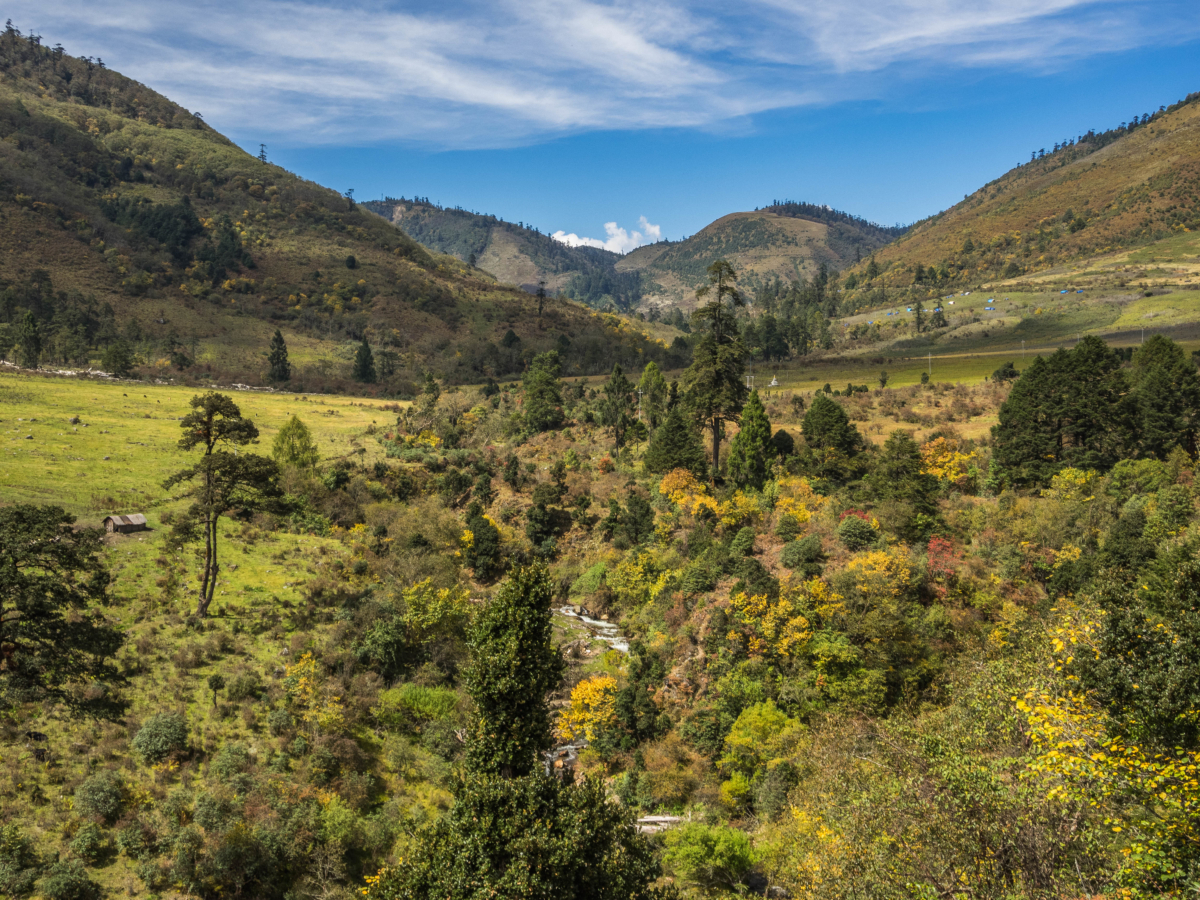
Nestled in the Eastern Himalayas, Bhutan is a land of stunning landscapes, rich culture, and deeply rooted spirituality. Known as the “Land of the Thunder Dragon,” this small kingdom offers a unique blend of ancient traditions and modern sensibilities. From towering monasteries perched on cliffs to lush green valleys dotted with prayer flags, Bhutan is a paradise for travelers seeking both adventure and serenity. The country’s commitment to Gross National Happiness and its well-preserved environment make it a truly exceptional destination. Whether you are drawn to its majestic mountains, vibrant festivals, or tranquil monasteries, a Bhutan tour promises an unforgettable journey into a mystical and enchanting world. Here we will discuss about the best tourist places to visit in Bhutan.
Best Season to Visit Bhutan
Spring (March to May)
Floral Beauty: Thimphu comes alive with blooming rhododendrons and cherry blossoms, especially in parks like the Centenary Farmers Market area in Thimphu. This makes the valleys contenders among the top places to visit in Asia for the color lovers.
Festival Season: Witness the colorful Punakha Tshechu and Paro Tsechu festivals, offering vibrant mask dances and cultural displays.
Summer (June to August)
Lush Greenery: The valleys surrounding Thimphu are at their greenest, ideal for nature walks and hikes.
Cultural Festivals: Experience local festivals like the Haa Summer Festival, celebrating Bhutanese culture and traditions.
Autumn (September to November)
Clear Skies: Perfect weather for outdoor activities with clear views of the Himalayas from places like Buddha Dordenma.
Thimphu Tshechu: Participate in the grand Thimphu Tshechu festival, featuring traditional mask dances and rituals.
Winter (December to February)
Snowy Delight: Experience a serene winter wonderland with occasional snowfall, making places like Dochula Pass magical.
Festive Cheer: Celebrate Losar, the Bhutanese New Year, with local festivities and cultural performances.
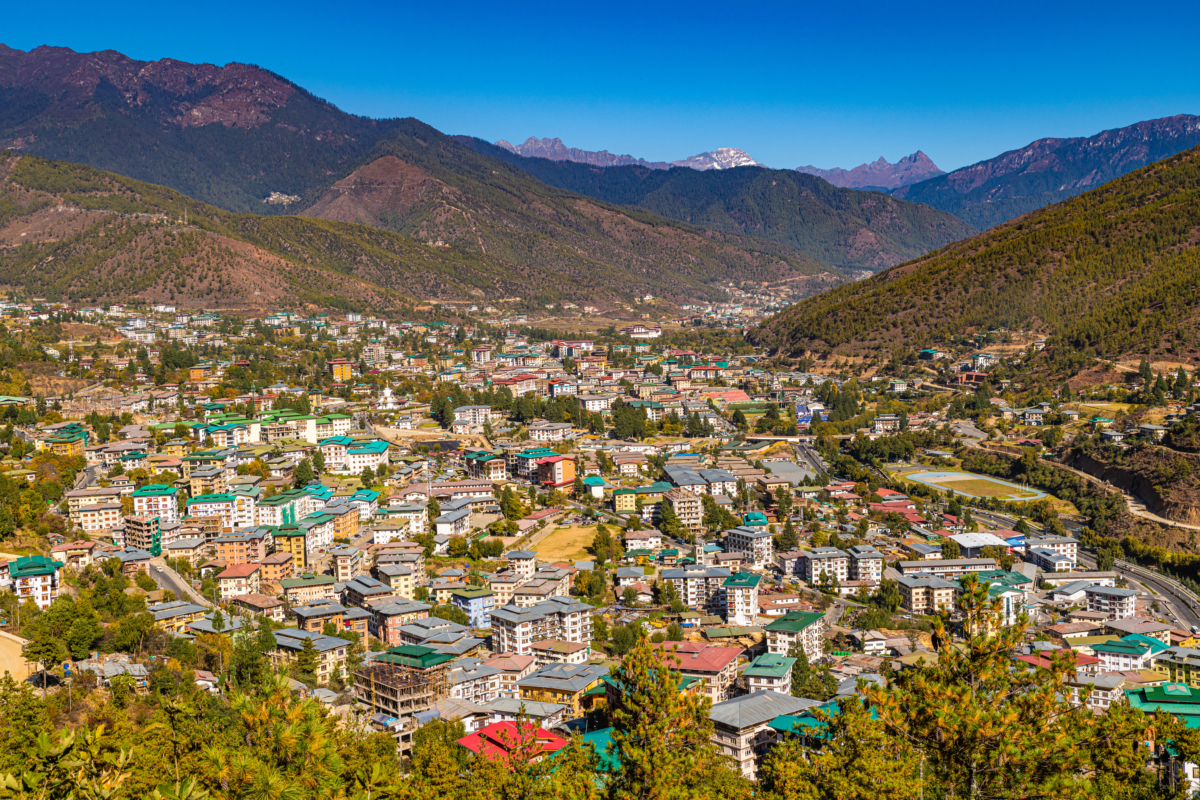
Thimphu, the capital city of Bhutan, is renowned for its unique blend of modern development and preserved traditional Bhutanese culture. It serves as the political, economic, and cultural heart of the country, offering visitors a deep dive into Bhutan’s rich heritage amidst its burgeoning urban landscape.
Places to Visit in Thimphu
Tashichho Dzong:
A majestic fortress that houses the throne room and offices of the king. It’s also the summer residence of the central monk body. This is one of the most visited religious places in Bhutan.
Buddha Dordenma:
A massive statue of Buddha Shakyamuni overlooking Thimphu Valley, offering panoramic views and a serene atmosphere.
Memorial Chorten:
A stupa dedicated to the third king of Bhutan, Jigme Dorji Wangchuck, where locals come to pray and circumambulate.
National Library of Bhutan:
Houses an extensive collection of Buddhist literature and manuscripts, including ancient texts and religious scriptures.
Changangkha Lhakhang:
An ancient temple perched on a hilltop, offering stunning views of Thimphu Valley and traditional Buddhist rituals.
Folk Heritage Museum:
Showcases traditional Bhutanese rural life through exhibits of artifacts, tools, and household items.
Motithang Takin Preserve:
Home to Bhutan’s national animal, the Takin, a unique and rare mammal found in the Himalayas.
Tango Buddhist University
A prominent center for higher Buddhist studies and meditation.
Highlights: Educational excellence, historical significance, scenic hike through beautiful landscapes, and a serene spiritual atmosphere.
Cheri Monastery
One of the oldest monasteries in Bhutan, founded in 1620 by Zhabdrung Ngawang Namgyal.
Highlights: Historical significance, spiritual environment, and a scenic 45-minute hike offering beautiful views.
Cheri Picnic Spot
A popular local destination for outdoor picnics with families, friends, and colleagues, located amidst thick forest and near a clean, bluish river.
Highlights: Quiet and tranquil environment, perfect for nature photography, and swimming in warmer months. Reachable by bike, motorbike, or taxi, but not widely known among tourists.
How to Reach Thimphu: Thimphu can be reached by flying into Paro International Airport, located about 54 km from the city. Flights operate from major cities like Delhi, Kolkata, and Bangkok, with round-trip fares from Delhi ranging between 20,000 INR (275 USD) and 30,000 INR (410 USD), depending on the season. Another option is to fly to Bagdogra Airport in West Bengal, India, and then take a road trip to Thimphu via Phuentsholing, Bhutan’s border town. The drive from Phuentsholing to Thimphu takes approximately 6 to 7 hours, with taxi fares from Bagdogra to Phuentsholing typically costing around 3,000 INR (40 USD) to 4,000 INR (55 USD).
Accommodation Options in Thimphu: Thimphu offers a variety of accommodation options to suit different budgets. For budget-conscious travelers, guesthouses and budget hotels start at around 1,500 INR (20 USD) per night. Mid-range options, including comfortable hotels and resorts with standard amenities, begin at around 5,000 INR (70 USD) per night. For those seeking luxury, upscale hotels and resorts provide a more lavish stay, with prices starting at 15,000 INR (200 USD) per night.
Paro, Bhutan
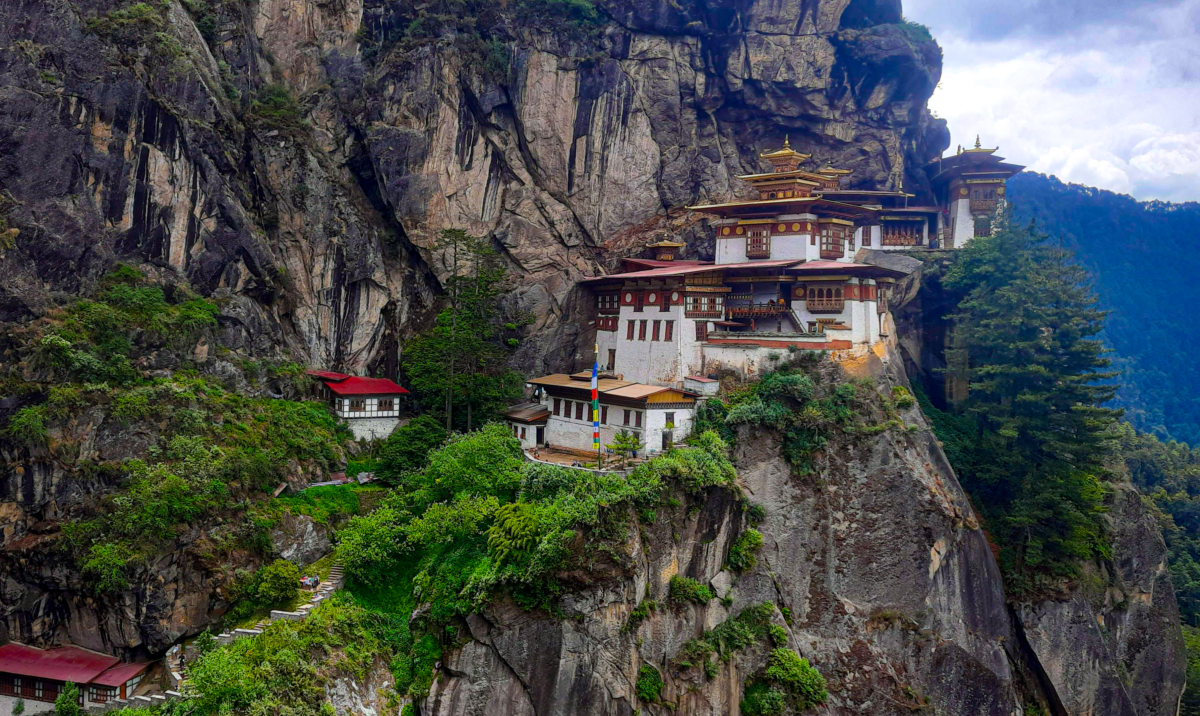
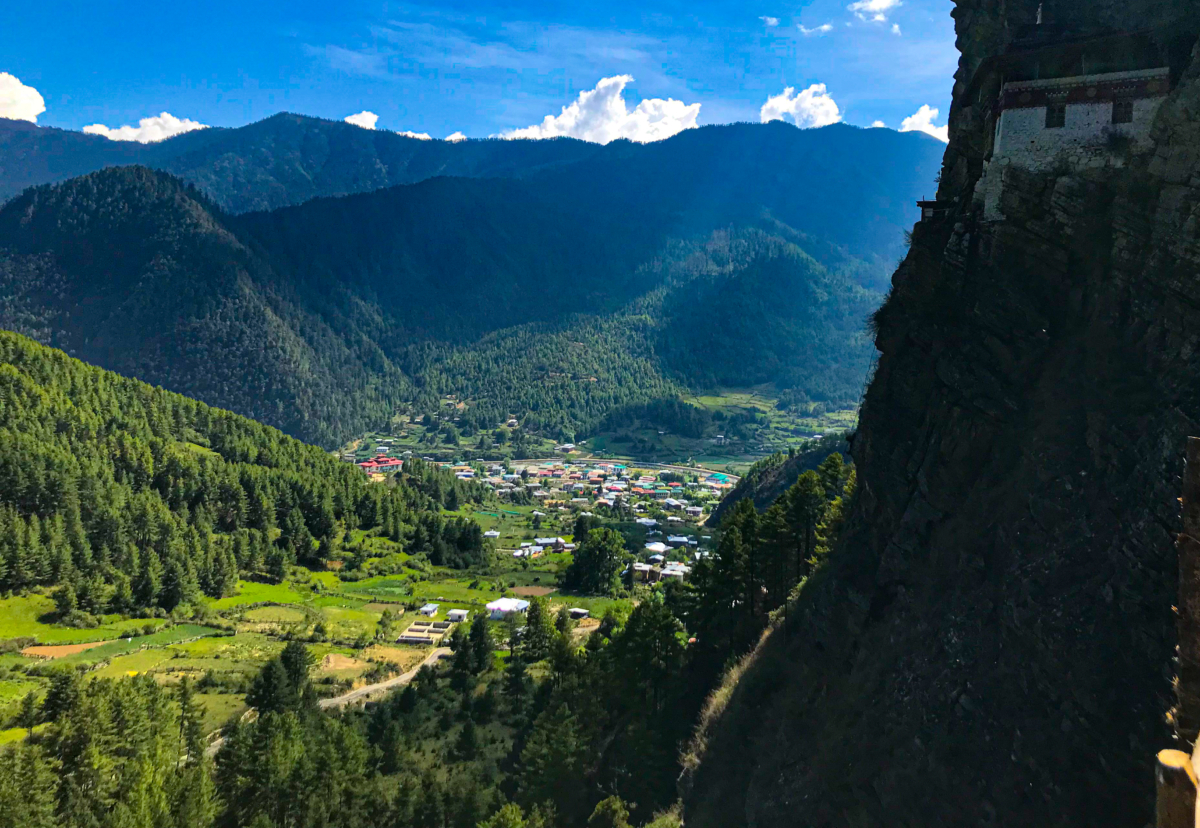
Paro Taktsang (Tiger’s Nest): A sacred Vajrayana Buddhist site perched on a cliff in the upper Paro Valley, Bhutan.
Paro, a picturesque valley town in Bhutan, is famous for its rich cultural heritage, stunning landscapes, and the iconic Paro Taktsang monastery, also known as Tiger’s Nest. It serves as the gateway to Bhutan for international travelers through Paro International Airport while it itself claims the most sought after places in Bhutan for the tourists.
Paro Taktsang (Tiger’s Nest)
A sacred Vajrayana Buddhist site perched on a cliff in the upper Paro Valley, Paro Taktsang is one of Bhutan’s most iconic landmarks.
Highlight: It offers breathtaking views and holds significant spiritual importance.
How to Reach: The monastery is accessible via a moderate to strenuous hike that provides stunning vistas of the surrounding valley, starting from the base parking lot.
Rinpung Dzong
A fortress-monastery overlooking Paro Valley, known for its stunning architecture and cultural importance.
Highlight: Architectural beauty, vibrant festivals, and historical and religious significance.
How to Reach: Easily accessible by car, located near Paro town.
Drukgyel Dzong
A historic fortress in ruins, offering views of Mount Jomolhari and a glimpse into Bhutan’s ancient defense system.
Highlight: Scenic ruins and historical context.
How to Reach: Accessible by car, followed by a short walk to the ruins.
Shana Village
Located about a half-hour drive (12 km) from Drukgyel Dzong, Shana Village is the northernmost motorable point in Paro Valley and the starting point for the famous Jhomolhari Trek.
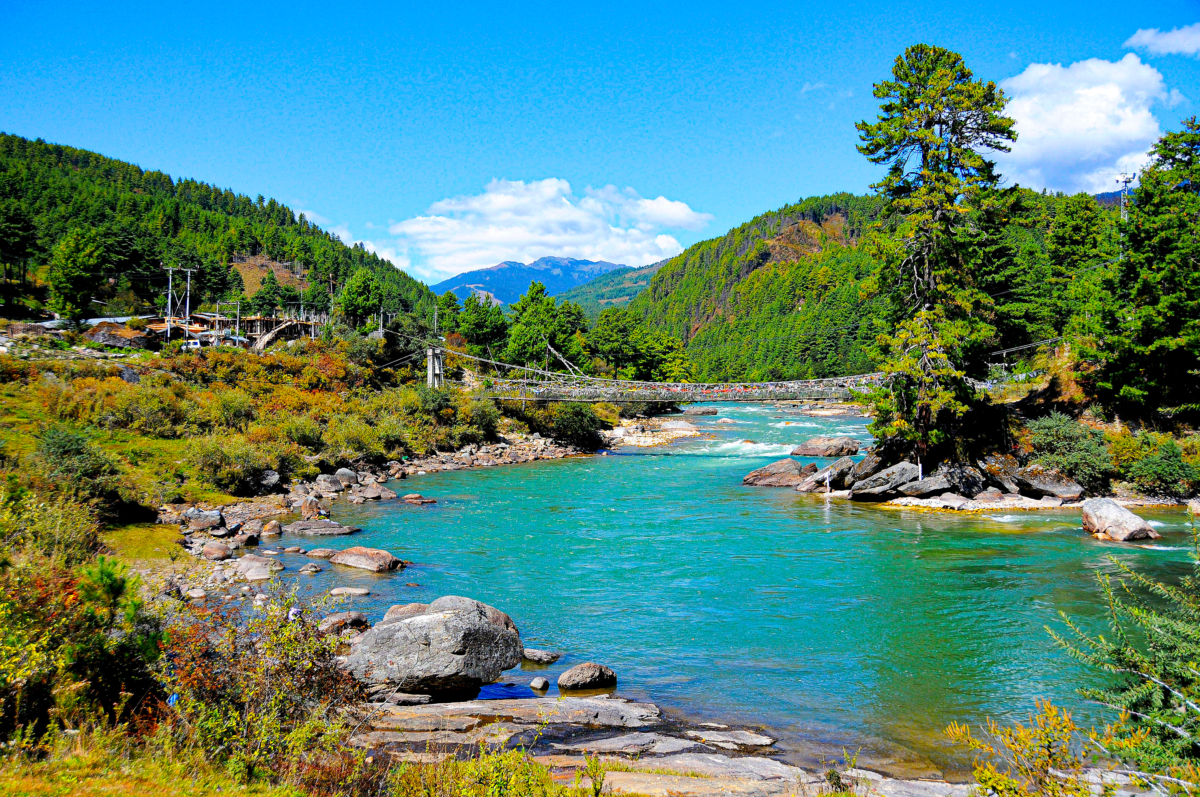
Highlight: En route to Shana Village, the Paro River in Guntisawa appears particularly mesmerizing, adding to the scenic beauty of the journey. The area features lush forests and stunning landscapes within the Jigme Dorji National Park.
Guntisawa Village
Guntisawa Village is a picturesque settlement located about a 30-minute drive (12 km) from Drukgyel Dzong. It is renowned for its stunning riverside views and serves as a gateway to the Shana Village trek.
Highlight: The village offers a serene and beautiful riverside retreat with mesmerizing views of the Paro River. The area is also the starting point for the trek to Thongphula Pass, where trekkers can enjoy spectacular views of Mount Jomolhari and Tsherim Gang.
National Museum of Bhutan
Located in Ta Dzong, it houses a rich collection of Bhutanese artifacts, textiles, and religious relics.
Highlight: Diverse collection of artifacts and educational exhibits.
How to Reach: Reachable by car.
Kyichu Lhakhang
One of the oldest and most beautiful temples in Bhutan, believed to date back to the 7th century.
Highlight: Historical significance and intricate carvings.
How to Reach: A short drive from Paro town, followed by a brief walk.
Dzongdrakha Temple
A group of temples located on a cliffside near Paro, often referred to as the “mini-Tiger’s Nest.”
Highlight: Offers beautiful views and a peaceful atmosphere, less crowded than Paro Taktsang.
How to Reach: Accessible by a short drive from Paro town, followed by a hike to the temple complex.
Paro Weekend Market
A bustling market where locals gather to sell and buy goods, providing a glimpse into local life.
Highlight: Local handicrafts, fresh produce, and vibrant atmosphere.
How to Reach: Located in Paro town and easily walkable.
Paro Airport Bird’s Eye View Point
A vantage point offering panoramic views of Paro Airport and the surrounding valley.
Highlight: Provides a spectacular perspective of aircraft landing and taking off amidst the stunning Bhutanese landscape.
How to Reach: Accessible by a short drive from Paro town, with a designated parking area near the viewpoint.
Dungtse Lhakhang
A unique chorten-style temple built in the 15th century, known for its unique architecture and murals.
Highlight: Intricate murals and historical architecture.
How to Reach: A short drive from Paro town.
Chhuzom Bridge
A significant bridge at the confluence of the Paro Chhu and Thimphu Chhu rivers, marking the junction of three different styles of stupas: Bhutanese, Tibetan, and Nepali.
Highlight: Offers scenic views of the confluence and the unique architectural styles of the stupas, symbolizing Bhutan’s cultural diversity.
How to Reach: Accessible by car, located approximately 30 minutes’ drive from Paro town on the way to Thimphu.
Neyphug Monastery (Heyphug Gonpa)
An ancient monastery nestled in a serene valley, known for its spiritual significance and tranquil environment.
Highlight: Offers a peaceful retreat with beautiful surroundings and an opportunity to learn about Bhutanese Buddhist practices.
How to Reach: Accessible by car, located a short drive from Paro town followed by a brief walk.
Jela Dzong
Located above Paro Valley at the border of Thimphu and Paro, Jela Dzong is a historic fortress built by Lam Ngawang Choegyal.
Highlight: Offers stunning views of both Paro and Thimphu valleys and is situated amidst beautiful, pristine forest. It is the starting point for the popular Druk Path Trek.
How to Reach: It takes about a 3-hour hike to reach Jela Dzong through scenic forest trails. It is also connected by a farm road from Jigmena, Thimphu.
Chumphu Nye (Sacred/ Holy Place)
Description: Chumphu Nye is a revered sacred site dedicated to Dorji Phagmo (Sanskrit: Vajravarahi), known for its serene natural beauty and spiritual significance. It features tranquil forests, streams, rivers, and waterfalls. The area includes sacred caves, holy water believed to have healing properties, and a floating statue of Dorji Phagmo that defies gravity, reflecting the deep spiritual history of the site.
Highlight: The site offers a profound sense of spirituality and faith, with scenic views and a calm, reflective atmosphere.
How to Reach: Located 30 minutes by car and a 4-hour walk from Paro Town, northeast of Paro Doteng village. The trail involves a 4-hour uphill climb and a 3-hour descent to Doteng village, with a 7-hour round trip through scenic forest paths.
Chha Ree Tsen Goenpa
Description: Chha Ree Tsen Goenpa is a revered monastery perched on a rocky mountain ridge, offering stunning views of Drugel Fort and the valley below. It is situated near the twin lakes at the mountain top, in an area known as Drake Pansho. The site is often enveloped in misty clouds, adding to its serene and spiritual atmosphere.
Highlight: The trek to the monastery and the lakes is quite strenuous, requiring good physical fitness, but rewards hikers with breathtaking views and a tranquil environment.
How to Reach: The road reaches just below the monastery but is challenging due to protruding boulders and steep slopes. It is advisable to use sturdy vehicles like Bolero or Hilux, and an experienced driver is essential for navigating the rugged terrain.
Lhading (Lhadhing) Lhakhang
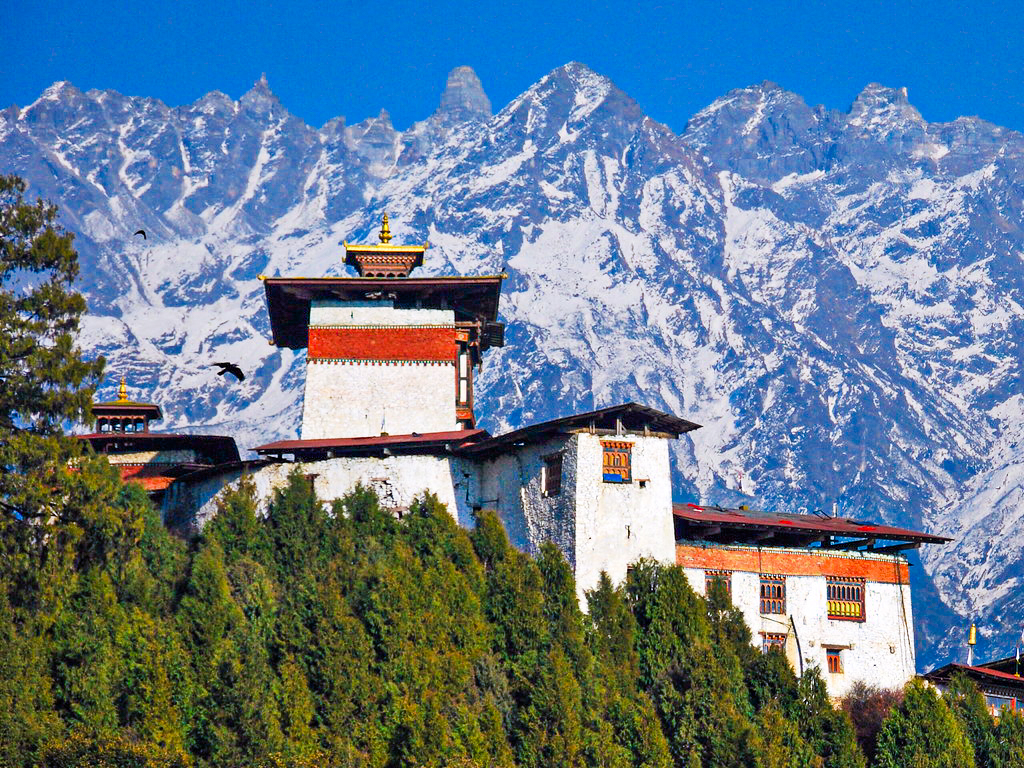
Description: Lhading Lhakhang is a beautiful monastery situated in the northern end of the Paro Valley, about an hour’s drive from Drukgyel Dzong. It offers stunning views of the valley below and the snow-capped peaks on the opposite side. The monastery is believed to have been founded by Tibetan Dakini Princess Metog Soelden in the 5th Duerab.
Highlight: The temple houses unique relics, including a Muethrub, with a large Chenrezi on the right, a Sangay on the left, and Gyalwa Ri Nga. The Sangay is particularly notable for its distinctive short face and square chin, a feature not commonly seen in other Bhutanese temples.
How to Reach Paro (from Thimphu)
By Road
Distance: Approximately 50 km from Thimphu to Paro.
Travel Time: About 1.5 hours by road.
Transport Options: Taxis and private cars are available. The cost for a taxi from Thimphu to Paro is around 1,500 INR (20 USD) to 2,000 INR (28 USD) one way.
By Air
From Paro International Airport: Paro Airport is Bhutan’s only international airport, with flights connecting major cities like Delhi, Kolkata, Mumbai, and Bangkok. The round trip from Delhi to Paro costs between 20,000 INR (275 USD) to 30,000 INR (410 USD), depending on the season.
By Train
From Thimphu: Bhutan does not have a railway network, so train travel within Bhutan is not possible.
Accommodation Options and Budgets
Paro offers a range of accommodation options suitable for different budgets:
Budget: Guesthouses and budget hotels start from 1,500 INR (20 USD) per night.
Mid-Range: Comfortable hotels and resorts with amenities start from 5,000 INR (70 USD) per night.
Luxury: Upscale hotels and resorts offering luxurious stays start from 15,000 INR (200 USD) per night.
Punakha
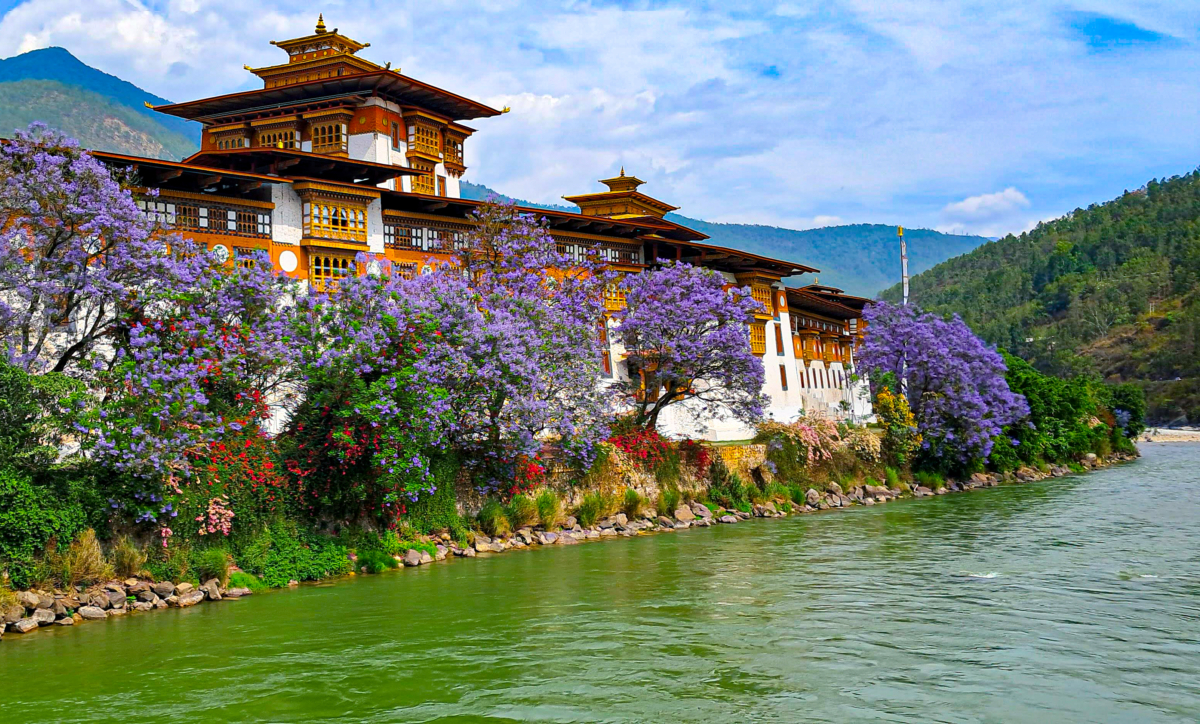
Punakha Dzong: One of the best places to visit in Bhutan, this majestic fortress sits at the confluence of the Pho Chhu and Mo Chhu rivers, showcasing stunning Bhutanese architecture and serene natural beauty.
Punakha, located at a lower elevation than many other parts of Bhutan, is famous for its stunning Punakha Dzong, which sits at the confluence of the Pho Chhu (father) and Mo Chhu (mother) rivers. It served as the capital of Bhutan until 1955 and remains an important administrative center and a revered site for Bhutanese cultural and religious traditions.
Punakha Dzong
Description: Often referred to as the “Palace of Great Happiness,” Punakha Dzong is a stunning fortress located at the confluence of the Pho Chhu and Mo Chhu rivers. It is one of Bhutan’s most beautiful and historically significant dzongs.
Highlight: The dzong is known for its impressive architecture, beautiful courtyards, and vibrant annual festivals, particularly the Punakha Drubchen and Punakha Tshechu.
How to Reach: Easily accessible by car from Punakha town.
Chimi Lhakhang
Description: Known as the “Fertility Temple,” Chimi Lhakhang is dedicated to Lama Drukpa Kunley, also known as the Divine Madman. The temple is famous for blessing couples seeking fertility.
Highlight: The temple is a serene place of worship surrounded by picturesque rice fields, and it features unique phallic symbols painted on walls and carvings that are believed to ward off evil spirits.
How to Reach: A short hike from the road through the village of Sopsokha.
Khamsum Yulley Namgyal Chorten
Description: This exquisite stupa, perched on a hill overlooking the Punakha Valley, was built to bring peace and harmony to the world.
Highlight: The stupa offers panoramic views of the valley and surrounding mountains and is an excellent example of traditional Bhutanese architecture and art.
How to Reach: A 45-minute hike uphill from the suspension bridge over the Mo Chhu river.
Punakha Suspension Bridge
Description: One of the longest suspension bridges in Bhutan, spanning the Po Chhu river, and connecting Punakha Dzong with the rest of the valley.
Highlight: The bridge offers breathtaking views of the river and the surrounding landscapes and is a thrilling experience for visitors.
How to Reach: Accessible on foot from Punakha Dzong.
Jigme Dorji National Park
Description: Jigme Dorji National Park is one of the largest and most diverse protected areas in Bhutan, covering over half of Punakha District, including the gewogs of Chhubu, Goenshari, Kabisa, and Toewang. The park is known for its rich biodiversity, featuring a wide range of flora and fauna, including endangered species such as the snow leopard, Bengal tiger, and red panda. The park also encompasses various landscapes, from dense forests to high-altitude alpine meadows.
Highlight: The park offers spectacular natural scenery and is home to numerous trekking routes, including those leading to some of Bhutan’s highest peaks. It serves as a critical habitat for wildlife and provides opportunities for ecotourism and adventure activities. The presence of biological corridors ensures the movement and genetic diversity of species between the park and adjacent areas.
How to Reach: The park is accessible from various entry points within Punakha District. Visitors can reach the gewogs of Chhubu, Goenshari, Kabisa, and Toewang by road from Punakha town, with designated trails and guided tours available for exploring the park’s interior.
Sangchhen Dorji Lhuendrup Nunnery
Description: A nunnery and temple complex located on a ridge overlooking the Punakha and Wangdue valleys, providing a peaceful retreat for nuns and visitors alike.
Highlight: The nunnery features a large bronze statue of Avalokiteshvara and offers stunning views of the valleys below.
How to Reach: A short drive from Punakha town, followed by a brief walk.
Talo Village
Description: A picturesque village known for its beautiful farmhouses, lush gardens, and the annual Talo Tshechu festival.
Highlight: The village offers a glimpse into traditional Bhutanese rural life and provides stunning views of the surrounding valleys and mountains.
How to Reach: Accessible by car from Punakha town.
Limbukha Village
Description: Known for its red rice fields and peaceful atmosphere, Limbukha Village is a charming rural settlement in Punakha Valley.
Highlight: The village is famous for its unique tradition of peace negotiation, showcased during the annual Serda festival.
How to Reach: Accessible by car from Punakha town.
Punakha Ritsha Village
Description: A village known for its rice paddies and traditional Bhutanese architecture, Ritsha offers a unique cultural experience for visitors.
Highlight: The village provides insight into traditional farming practices and rural life in Bhutan.
How to Reach: Easily accessible by car from Punakha town.
How to Reach Punakha (from Thimphu)
By Road
Distance: Approximately 72 km from Thimphu to Punakha.
Travel Time: About 2.5 to 3 hours by road.
Transport Options: Taxis and private cars are available. The cost for a taxi from Thimphu to Punakha is around 2,500 INR (35 USD) to 3,500 INR (50 USD) one way.
By Air
From Paro International Airport: Paro Airport is Bhutan’s only international airport. From Paro, travelers can take a road trip to Punakha.
Accommodation Options and Budgets
Punakha offers a range of accommodation options suitable for different budgets:
Budget: Guesthouses and budget hotels start from 1,500 INR (20 USD) per night.
Mid-Range: Comfortable hotels and resorts with amenities start from 5,000 INR (70 USD) per night.
Luxury: Upscale hotels and resorts offering luxurious stays start from 15,000 INR (200 USD) per night.
Haa Valley
Juneydrak Hermitage: A serene 30-minute hike from Katsho Goempa through a rhododendron forest offers spectacular views of Haa Valley.
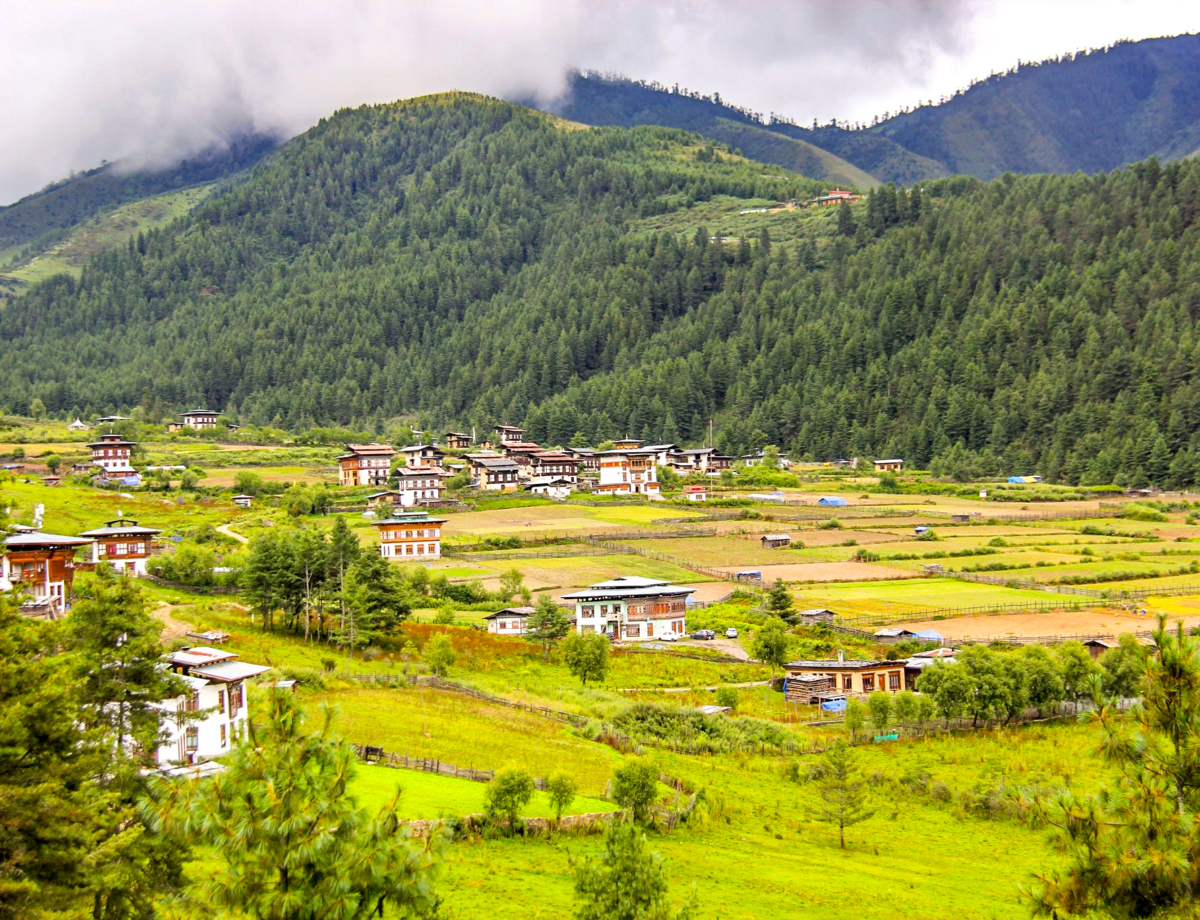
Haa Valley, though many miss it in their list of places in Bhutan to visit, located in the western part of Bhutan, is famous for its pristine natural beauty, traditional Bhutanese architecture, and unique cultural heritage. It was opened to tourists only in 2002, preserving its untouched landscapes and cultural authenticity.
Season-Specific Attractions and Beauty
Spring (March to May)
Flowering Meadows: Experience the valley adorned with blooming rhododendrons and wildflowers, creating a vibrant landscape.
Cultural Encounters: Participate in local festivals and interact with the friendly Haa community.
Summer (June to August)
Lush Greenery: Enjoy the lush green hillsides and pleasant weather ideal for hiking and exploring the valley.
Nomadic Culture: Encounter semi-nomadic herders known as the Layaps, who migrate with their yaks to higher pastures during summer.
Autumn (September to November)
Golden Fields: Witness golden rice fields ready for harvest against a backdrop of majestic mountains.
Haa Summer Festival: Experience traditional Bhutanese music, dance, and cuisine during this vibrant festival.
Winter (December to February)
Snowy Serenity: Embrace the tranquility of winter with snow-capped mountains and peaceful surroundings.
Cultural Immersion: Visit ancient temples and monasteries to learn about Bhutanese Buddhism and local customs.
Haa Valley Visiting Places
Lhakhang Karpo (White Temple):
A 7th-century temple known for its white facade and sacred relics, offering panoramic views of the valley.
Lhakhang Nagpo (Black Temple):
Located near Lhakhang Karpo, this temple complements its counterpart with black walls and intricate murals.
Sherkar Dra Lhakhang:
A cliffside temple on the south slope of Avalokiteshvara Hill for meditation and spiritual practice, offering serene views of the surrounding mountains and valleys.
Katsho Village:
Katsho Village is known for its traditional Bhutanese architecture and scenic landscapes. Visitors can explore local farms and experience the daily life of the villagers. The village serves as the starting point of famous “Haa Panorama Hiking Trail“.
Juneydrak Hermitage:
A 30-minute hike from the road end near Katsho Goempa, Juneydrak Hermitage, a small but stunningly beautiful Buddhist monastery, is perched on a cliff in Haa Valley. Sacred to Guru Rinpoche, it features a main temple, meditation rooms, prayer flags, and a chorten along a steep, narrow path. This picturesque monastery is a highlight of the Haa Panorama Hiking Trail.
Damthang
Damthang, a picturesque town, nestled in the western Haa Valley, offers nature lovers a serene escape with breathtaking landscapes and rich biodiversity. The scenic drive from Haa (11 km) to Damthang, coupled with its status as the last motorable point in the valley, makes it a must-visit destination in West Bhutan.
Kunzang Gatsel (ཀུན་བཟང་དགའ་ཚལ།):
Kunzang Gatsel is a serene and sacred site in Haa Valley, Bhutan and falls on the Haa- Damthang road. Known for its peaceful surroundings and spiritual atmosphere, it provides an ideal retreat for meditation and reflection. The site is a beautiful addition to the region’s rich cultural and religious landscape.
Lechuna Village:
Why Visit: Lechuna Village is home to some of the oldest and most well-preserved houses in Haa Valley. The village is a perfect spot to learn about Bhutanese culture and history.
Bjee Village:
Why Visit: Bjee Village offers beautiful views of terraced fields and the surrounding mountains. It’s a peaceful place to explore the rural life of Bhutan.
Wangtsa Village:
Why Visit: Wangtsa Village is famous for its beautiful chortens (stupas) and traditional houses. The village provides an excellent opportunity to learn about local religious practices and architecture.
How to Reach Haa Valley (from Thimphu)
By Road
Distance: Approximately 65 km from Thimphu to Haa Valley.
Travel Time: About 3 to 4 hours by road, depending on road conditions.
Transport Options: Taxis and private cars are available. The cost for a taxi from Thimphu to Haa Valley is around 3,000 INR (40 USD) to 4,000 INR (55 USD) one way.
Accommodation Options and Budgets
Accommodation in Haa Valley is limited compared to larger towns like Thimphu and Paro. Options include:
Homestays: Experience local hospitality and culture with basic amenities, starting from 2,000 INR (30 USD) per night.
Guesthouses: Simple accommodations with traditional Bhutanese décor and local cuisine, starting from 3,000 INR (40 USD) per night.
Luxury Tents: Exclusive tented camps offering comfort amidst nature’s beauty, starting from 8,000 INR (110 USD) per night.
Bumthang
Chamkhar Chhu River: Flowing near Jakar (Chamkhar) in Bumthang, this picturesque river is a serene spot surrounded by Bhutan’s natural beauty.
Bumthang Valley, often referred to as the “spiritual heartland of Bhutan,” is famous for its sacred temples, monasteries, and rich cultural heritage. It comprises four major valleys—Chokhor, Tang, Ura, and Chhume—each offering unique landscapes and historical sites and making it a top place to visit in Bhutan for the Himalayan valley lovers.
Season-Specific Attractions and Beauty
Spring (March to May)
Blooming Orchards: Explore apple orchards and blooming rhododendrons, creating a colorful landscape.
Proliferation of Festivals: Witness local festivals like the Ura Yakchoe and the famous Tamshing Phala Choepa.
Autumn (September to November)
Harvest Season: Experience the bustling activities in Bumthang’s villages during the harvest of barley, wheat, and buckwheat.
Jambay Lhakhang Drup: Attend the grand festival at Jambay Lhakhang, featuring sacred dances and rituals.
Tourist Places to Visit in Bhutan’s Bumthang
Jakar Dzong:
A picturesque fortress overlooking the Chokhor Valley, serving as the administrative center of Bumthang.
Kurjey Lhakhang:
A complex of three temples, including the oldest in Bhutan, associated with Guru Rinpoche and blessed with spiritual significance.
Tamshing Lhakhang:
Known for its ancient religious paintings and the annual Tamshing Phala Choepa festival, celebrating Bhutanese Buddhism.
Mebar Tsho (Burning Lake):
A sacred site where Guru Rinpoche is believed to have hidden treasures, with clear waters and mystical surroundings.
How to Reach Bumthang (from Thimphu)
By Road
Distance: Approximately 265 km from Thimphu to Bumthang.
Travel Time: About 8 to 9 hours by road, passing through scenic landscapes and mountain passes.
Transport Options: Taxis and private cars are available. The cost for a taxi from Thimphu to Bumthang is around 10,000 INR (140 USD) to 12,000 INR (165 USD) one way.
By Air
From Paro International Airport: Paro Airport is Bhutan’s only international airport. Flights to Bumthang’s Bathpalathang Airport are available, though limited and weather-dependent.
Accommodation Options and Budgets
Bumthang offers a range of accommodation options suitable for different budgets:
Guesthouses and Homestays: Authentic Bhutanese hospitality with local cuisine, starting from 2,500 INR (35 USD) per night.
Hotels and Resorts: Comfortable stays with amenities and scenic views, starting from 5,000 INR (70 USD) per night.
Luxury Resorts: Upscale accommodations with spa facilities and gourmet dining, starting from 15,000 INR (200 USD) per night.
Phobjikha Valley
The stunning landscapes of Gangtey and Phobjikha Valley, often wrapped in a mystical mist, feel like they belong in a fairytale. With the iconic Gangtey Monastery perched elegantly on a hilltop and the panoramic views are simply mesmerizing.
Phobjikha Valley, also known as Gangteng Valley, is famous for its natural beauty, serene environment, and being the winter home to endangered black-necked cranes. It is a designated conservation area, preserving its pristine landscapes and unique cultural traditions making it one of the most visited tourist place in Bhutan.
Season-Specific Attractions and Beauty
Autumn (September to November)
Harvest Season: Experience the bustling activities in Phobjikha’s villages during the harvest of crops like potatoes and barley.
Black-Necked Crane Festival: Attend the annual festival celebrating the conservation of black-necked cranes with cultural performances and crane dances.
Winter (December to February)
Migratory Cranes: Witness the majestic black-necked cranes from Tibet as they arrive in Phobjikha Valley, seeking warmer winter habitats.
Snow-Covered Valley: Embrace the tranquility of winter with occasional snowfall, enhancing the beauty of the valley.
Gangtey Monastery (Gangtey Gonpa):
An important monastery of the Nyingma school of Buddhism, offering panoramic views of the valley and surrounding mountains.
Black-Necked Crane Information Centre:
Learn about the endangered black-necked cranes, their habitat, and conservation efforts in Phobjikha Valley.
Nature Trails:
Explore hiking trails around the valley, offering opportunities to observe wildlife, including birds and Himalayan flora.
How to Reach Phobjikha Valley (from Thimphu)
By Road
Distance: Approximately 135 km from Thimphu to Phobjikha Valley.
Travel Time: About 4 to 5 hours by road, passing through scenic mountainous terrain.
Transport Options: Taxis and private cars are available. The cost for a taxi from Thimphu to Phobjikha Valley is around 5,000 INR (70 USD) to 7,000 INR (95 USD) one way.
Accommodation Options and Budgets
Accommodation in Phobjikha Valley ranges from cozy guesthouses to upscale lodges, offering tranquil stays amidst nature:
Guesthouses and Farm Stays: Experience local hospitality with basic amenities, starting from 2,500 INR (35 USD) per night.
Lodges and Eco-Resorts: Comfortable accommodations with eco-friendly practices and scenic views, starting from 5,000 INR (70 USD) per night.
Luxury Retreats: Exclusive lodges and resorts offering luxurious stays with spa facilities and gourmet dining, starting from 15,000 INR (200 USD) per night.
Gasa
Gasa Dzong having Kang Bum Mountain at the Background. Flickr: Istvan_Hernadi
Gasa, located in northern Bhutan, is a hidden treasure known for its pristine environment, rich cultural heritage, and breathtaking landscapes. Perched high in the Himalayas, it offers an unspoiled escape for those seeking tranquility and natural beauty. Gasa is home to the renowned Gasa Dzong, a majestic fortress overlooking the Mo Chhu river, and the famous Gasa Tshachu hot springs, revered for their medicinal properties. The district also hosts the expansive Jigme Dorji National Park, Bhutan’s largest, providing visitors with opportunities for trekking, wildlife exploration, and encounters with diverse flora and fauna. Gasa is remote and less frequented by tourists, making it an ideal destination for adventurers and those looking to experience Bhutan’s untouched wilderness. With its natural hot springs, scenic treks, and historical sites, Gasa offers an enriching and rejuvenating experience for every traveler. Gasa also serves as the gateway to the Laya Trek, a popular and scenic high-altitude trek offering stunning views of the Himalayas and a chance to explore the remote Laya village.
Gasa Dzong:
Gasa Dzong, perched high above the Mo Chhu river, is a 17th-century fortress with a rich history. Known for its strategic location, the dzong offers panoramic views of the surrounding mountains and valleys, making it a must-visit for history enthusiasts and lovers of Bhutanese architecture.
Gasa Tshachu (Hot Springs):
Gasa Tshachu is a series of natural hot springs nestled in the mountains, renowned for their therapeutic properties. Accessible by road, these springs are a popular destination for both locals and tourists seeking healing and relaxation, offering a rejuvenating experience in a serene, scenic environment.
Damji Village:
A charming village accessible by road, Damji offers stunning views of lush valleys and terraced fields. It’s a peaceful stop for travelers on their way to Gasa Dzong and Gasa Tshachu. The village is ideal for those wanting to experience traditional Bhutanese rural life.
Koina:
Koina is a scenic stop along the motorable route to Gasa, offering breathtaking views of Bhutan’s mountainous landscape. Known as a rest point for trekkers, it is also a place to experience Bhutan’s remote beauty and tranquility, surrounded by thick forests and flowing rivers.
Tashithang:
Tashithang is a serene destination located within Jigme Dorji National Park, accessible by a motorable road. It’s the starting point for many treks into the park but is also great for nature lovers seeking wildlife sightings or peaceful moments by the riverside, surrounded by nature’s beauty.
Jigme Dorji National Park:
As Bhutan’s largest national park, Jigme Dorji National Park is a biodiversity hotspot that spans several districts, including Gasa. The park is home to rare and endangered species such as the snow leopard, blue sheep, and red panda. The region’s rich flora and fauna, coupled with stunning landscapes of mountains, rivers, and glaciers, make it ideal for trekking, wildlife enthusiasts, and eco-tourism. The famous Snowman Trek, one of the world’s toughest treks, passes through the park, offering adventure seekers a challenging yet rewarding journey.
Laya Village:
Nestled high in the mountains, Laya is a picturesque village known for its unique culture and traditional Layap people, who wear distinctive conical bamboo hats. This remote village can only be reached by trekking, making it a fascinating destination for trekkers interested in experiencing authentic Bhutanese culture in an isolated setting. Laya is also a major stop on the Snowman Trek and offers panoramic views of the Himalayan ranges.
Lunana:
Lunana, located even further into the Himalayan wilderness, is a region famed for its glacial lakes, high-altitude landscapes, and the ancient traditions of its people. It is one of the most remote and challenging regions to access in Bhutan, offering a sense of adventure and exclusivity for those who make the journey. The trek to Lunana is one of the most arduous in Bhutan, but the scenic beauty and tranquility it offers are truly unmatched.
Goen Tshephu:
Goen Tshephu, a sacred site in Gasa, is located deep within the forests, known for its spiritual significance and peaceful environment. It is believed that the waters at this site have healing powers, attracting both locals and visitors who seek blessings and rejuvenation. The site is closely connected to Bhutan’s rich Buddhist traditions and offers an opportunity for spiritual reflection.
Best Time to Visit Gasa
The ideal time to visit Gasa is between March and October when the weather is pleasant and suitable for trekking and outdoor activities. Spring (March-May) brings vibrant blooms and wildlife, while autumn (September-October) offers clear skies and stunning views of the Himalayas. Winter (November-February) can be harsh due to snowfall, but for those who enjoy cold weather and want to experience Gasa’s natural hot springs, it can be a serene and less crowded time to visit.
How to Reach Gasa
Gasa is accessible by road from Bhutan’s capital, Thimphu. The journey takes approximately 6-8 hours by car, with scenic routes passing through mountain roads and lush valleys. Public buses and private taxis are available from Thimphu, making Gasa reachable for tourists seeking to venture off the beaten path. For trekking enthusiasts, Gasa can also be reached as part of the Laya-Gasa Trek, starting from Punakha or Thimphu, providing an immersive experience through the Himalayan wilderness.
Accommodation Options in Gasa: Accommodation options in Gasa are limited but provide serene stays surrounded by nature. Visitors can choose from guesthouses and farm stays, offering a chance to experience local hospitality with basic amenities, starting at around 2,500 INR (35 USD) per night. For those seeking more comfort, hotels and lodges with scenic views and convenient proximity to Gasa Dzong and the hot springs are available, starting at 5,000 INR (70 USD) per night. Adventure enthusiasts can opt for camping in designated areas or stay in eco-lodges, which promote sustainable tourism and offer a more immersive experience, with rates starting at 3,000 INR (40 USD) per night. These options cater to a range of budgets while ensuring a tranquil retreat in Bhutan’s beautiful landscapes.
Trongsa
Trongsa, located in central Bhutan, is famous for its strategic dzong (fortress), historical significance, and being the ancestral home of Bhutan’s royal family. It holds a central position in Bhutanese history as the birthplace of the monarchy and served as the seat of power over centuries.
Sightseeing Places in Trongsa
Trongsa Dzong:
A fortress strategically perched on a hilltop, offering panoramic views of the Mangde Chhu river valley and housing administrative offices and monastic quarters.
Ta Dzong (Watchtower):
Converted into the Tower of Trongsa Museum, it exhibits artifacts, weaponry, and historical relics showcasing Bhutan’s royal legacy and cultural heritage.
Kuenga Rabten Palace:
A palace built by the first king of Bhutan, Ugyen Wangchuck, offering insights into Bhutanese royal history and architecture.
How to Reach Trongsa (from Thimphu)
By Road
Distance: Approximately 200 km from Thimphu to Trongsa.
Travel Time: About 6 to 7 hours by road, passing through scenic mountainous terrain and agricultural landscapes.
Transport Options: Taxis and private cars are available. The cost for a taxi from Thimphu to Trongsa is around 8,000 INR (110 USD) to 10,000 INR (140 USD) one way.
By Air
From Paro International Airport: Paro Airport is Bhutan’s only international airport. Travelers can take a domestic flight to Bathpalathang Airport in Bumthang and then travel by road to Trongsa.
Accommodation Options and Budgets
Trongsa offers a range of accommodation options suitable for different budgets:
Guesthouses and Budget Hotels: Starting from 2,500 INR (35 USD) per night, offering basic amenities and local hospitality.
Mid-Range Hotels and Resorts: Comfortable accommodations with scenic views and modern amenities, starting from 5,000 INR (70 USD) per night.
Luxury Lodges and Heritage Hotels: Exclusive stays with luxurious amenities and historical ambiance, starting from 15,000 INR (200 USD) per night.
Lhuntse
Lhuentse District in Bhutan offers a blend of cultural heritage and pristine landscapes, making it a perfect offbeat destination. Its dramatic cliffs, deep river gorges, and historic fortresses like Lhuentse Dzong highlight the region’s rich history. The district is also the heart of Bhutanese textile weaving, with Khoma village renowned for its intricate Kishuthara fabrics. Traditional craftsmanship extends to pottery, preserving age-old skills. With its lush forests, diverse birdlife, and scenic trails, Lhuentse provides a serene escape for nature lovers, trekkers, and those seeking an authentic experience in Eastern Bhutan.
Season-Specific Attractions and Beauty
Spring (March to May)
Blooming Flora: The region comes alive with blooming rhododendrons and wildflowers, offering stunning vistas and vibrant colors.
Festivals: Experience local festivals such as Kurtoe Tshechu, featuring traditional dances and rituals.
Summer (June to August)
Lush Greenery: Enjoy the lush green landscapes and the refreshing monsoon rains, ideal for nature walks and exploring remote villages.
Cultural Immersion: Visit traditional weaving centers and learn about the famous Kushutara, the intricate hand-woven textile of Lhuntse.
Autumn (September to November)
Clear Skies: Perfect weather for trekking and exploring historical sites, with clear views of the surrounding mountains.
Harvest Season: Witness the agricultural activities and partake in local harvest festivals.
Winter (December to February)
Tranquil Beauty: Experience the serene beauty of snow-capped peaks and peaceful valleys, ideal for a quiet retreat.
Cultural Visits: Explore the ancient monasteries and dzongs without the crowds, enjoying a more intimate cultural experience.
Sightseeing Points in Lhuntse
Lhuntse Dzong:
A majestic fortress perched on a ridge overlooking the Kurichhu River, known for its historical significance and stunning architecture.
Khoma Village:
Famous for its traditional weaving of Kushutara, visitors can see artisans at work and purchase these exquisite textiles. Khoma is a must-visit place in Bhutan.
Singye Dzong:
Singye Dzong, a revered spiritual site in Bhutan, lies deep in the mountains of Lhuentse, accessible via a three-day trek from Khoma Village. Encircled by alpine forests, glacial rivers, and towering peaks, it holds deep ties to Guru Rinpoche. Pilgrims visit its eight sacred sites for meditation and blessings. The journey through pristine landscapes, blooming rhododendrons, and high-altitude meadows adds to its allure. Best visited between September and October, it offers a profound blend of spiritual fulfillment and breathtaking Himalayan scenery.
Jangchubling Monastery:
An ancient monastery offering spiritual tranquility and panoramic views of the valley.
Gangzur Village:
Known for its pottery, where visitors can observe traditional pottery-making techniques and try their hand at crafting.
Takila
The world’s largest statue of Guru Padmasambhava, towering at 173 feet, stands at Takila in Lhuentse District, Bhutan. Overlooking the serene Tangmachu Valley, this colossal monument is a significant spiritual landmark, drawing pilgrims and visitors alike. Surrounded by pristine landscapes, the site offers a tranquil retreat, blending Bhutan’s religious heritage with breathtaking natural beauty.
How to Reach Lhuntse (from Thimphu)
By Road
Distance: Approximately 450 km from Thimphu to Lhuntse.
Travel Time: About 12 to 14 hours by road, passing through scenic landscapes and rural areas.
Transport Options: Taxis and private cars are available. The cost for a taxi from Thimphu to Lhuntse is around 15,000 INR (210 USD) to 18,000 INR (250 USD) one way.
By Air
From Paro International Airport: Paro Airport is Bhutan’s only international airport. Travelers can fly to Yongphula Domestic Airport and then take a road trip to Lhuntse.
By Train
From Thimphu: Bhutan does not have a railway network, so train travel within Bhutan is not possible.
Accommodation Options and Budgets
Lhuntse offers limited but comfortable accommodation options suitable for different budgets:
Guesthouses and Homestays: Experience local hospitality with basic amenities, starting from 2,000 INR (30 USD) per night.
Mid-Range Hotels: Comfortable stays with modern amenities, starting from 4,000 INR (55 USD) per night.
Eco-Lodges: For a unique experience, eco-lodges offer sustainable stays amidst nature, starting from 5,000 INR (70 USD) per night.
Trashigang
Trashigang, situated in eastern Bhutan, is famous for its vibrant festivals, traditional Bhutanese architecture, and as a gateway to the remote eastern regions. Known as the “Jewel of the East,” it is home to the largest district in Bhutan and offers a unique glimpse into Bhutanese rural life and culture.
Season-Specific Attractions and Beauty
Spring (March to May)
Floral Blooms: Experience the colorful blooming of rhododendrons and wildflowers, enhancing the scenic beauty of Trashigang.
Festivals: Enjoy local festivals like the Gomphu Kora Festival, featuring traditional mask dances and community gatherings.
Winter (December to February)
Mild Weather: Enjoy the mild winter climate, ideal for sightseeing and cultural tours.
Festive Atmosphere: Experience the vibrant Trashigang Tshechu, one of the most significant festivals in eastern Bhutan.
Sightseeing Points in Trashigang
Trashigang Dzong:
A majestic fortress perched on a ridge overlooking the confluence of the Drangme Chhu and Gamri Chhu rivers, serving as an administrative and monastic center.
Gomphu Kora:
A sacred site located near Trashigang, known for its annual festival and spiritual significance.
Rangjung Woesel Choling Monastery:
A modern Buddhist monastery founded by Garab Rinpoche, offering spiritual teachings and beautiful views of the valley.
Khaling Handloom:
A center for traditional weaving, where visitors can observe the creation of intricate Bhutanese textiles and purchase unique hand-woven items.
How to Reach Trashigang (from Thimphu)
By Road
Distance: Approximately 550 km from Thimphu to Trashigang.
Travel Time: About 15 to 17 hours by road, passing through scenic mountain passes and rural landscapes.
Transport Options: Taxis and private cars are available. The cost for a taxi from Thimphu to Trashigang is around 18,000 INR (250 USD) to 22,000 INR (300 USD) one way.
By Air
From Paro International Airport: Paro Airport is Bhutan’s only international airport. Travelers can take a domestic flight to Yonphula Airport near Trashigang.
Accommodation Options and Budgets
Trashigang offers a range of accommodation options suitable for different budgets:
Guesthouses and Homestays: Experience local hospitality with basic amenities, starting from 2,500 INR (35 USD) per night.
Mid-Range Hotels: Comfortable stays with modern amenities, starting from 4,000 INR (55 USD) per night.
Luxury Resorts: Exclusive stays with luxurious amenities and scenic views, starting from 10,000 INR (140 USD) per night.
Trashiyangtse
Trashiyangtse is known for its pristine natural beauty, rich cultural heritage, and traditional arts and crafts. It is famous for the Chorten Kora, one of Bhutan’s most important stupas, and the Bumdeling Wildlife Sanctuary, a UNESCO World Heritage site. The region is also renowned for its traditional wooden bowl (dapa) craftsmanship.
Season-Specific Attractions and Beauty
Spring (March to May)
Floral Blooms: The landscape comes alive with colorful blooms of rhododendrons and other wildflowers.
Festivals: Participate in local festivals such as the Chorten Kora Festival, which attracts pilgrims from Bhutan and nearby Arunachal Pradesh, India.
Summer (June to August)
Lush Greenery: The monsoon season brings verdant landscapes, perfect for nature walks and exploring the wildlife sanctuary.
Cultural Visits: Explore local villages and observe traditional arts and crafts, including wood carving and painting.
Autumn (September to November)
Clear Skies: Enjoy clear skies and mild weather, ideal for trekking and exploring historical sites.
Harvest Season: Witness and participate in local harvest activities and celebrations.
Winter (December to February)
Mild Climate: The winter climate is mild, making it suitable for sightseeing and cultural tours.
Festive Atmosphere: Experience the festive atmosphere during the Chorten Kora Festival, with vibrant performances and community gatherings.
Sightseeing Points
Chorten Kora: A significant stupa built in the style of Nepal’s Boudhanath Stupa, it is an important pilgrimage site and the center of the Chorten Kora Festival.
Bumdeling Wildlife Sanctuary: Home to diverse flora and fauna, including the endangered black-necked crane, it offers excellent opportunities for wildlife viewing and bird watching.
Trashiyangtse Dzong: A beautiful fortress and monastery that serves as the administrative and religious center of the district.
Institute of Zorig Chusum: A school dedicated to preserving and teaching Bhutan’s traditional arts and crafts.
Dongdi Dzong: One of the oldest dzongs in Bhutan, offering historical insights and stunning views of the surrounding landscapes.
How to Reach Trashiyangtse (from Thimphu)
By Road
Distance: Approximately 600 km from Thimphu to Trashiyangtse.
Travel Time: About 16 to 18 hours by road, passing through scenic mountain passes and rural landscapes.
Transport Options: Taxis and private cars are available. The cost for a taxi from Thimphu to Trashiyangtse is around 20,000 INR (280 USD) to 25,000 INR (350 USD) one way.
By Air
From Paro International Airport: Paro Airport is Bhutan’s only international airport. Travelers can fly to Bumthang’s Bathpalathang Airport or Yonphula Airport in Trashigang and then travel by road to Trashiyangtse.
By Train
From Thimphu: Bhutan does not have a railway network, so train travel within Bhutan is not possible.
Accommodation Options and Budgets: Trashiyangtse offers a range of accommodation options suitable for different budgets:
Guesthouses and Homestays: Experience local hospitality with basic amenities, starting from 2,500 INR (35 USD) per night.
Mid-Range Hotels: Comfortable stays with modern amenities, starting from 4,000 INR (55 USD) per night.
Luxury Resorts: Exclusive stays with luxurious amenities and scenic views, starting from 10,000 INR (140 USD) per night.
Mongar
Mongar is known for its beautiful landscapes, traditional Bhutanese culture, and as the gateway to eastern Bhutan. It is famous for its unique architecture, including the Mongar Dzong, and its vibrant festivals. The town serves as an important hub for travelers exploring the tourist places in the eastern regions of Bhutan.
Season-Specific Attractions and Beauty
Spring (March to May)
Floral Blooms: The region is adorned with blooming rhododendrons and other wildflowers, offering picturesque views and vibrant colors.
Festivals: Participate in local festivals such as Mongar Tshechu, which features traditional mask dances and rituals.
Summer (June to August)
Lush Greenery: The monsoon season brings lush, green landscapes, ideal for nature walks and exploring the scenic beauty of Mongar.
Cultural Immersion: Visit local markets and villages to experience the daily life and culture of the eastern Bhutanese people.
Autumn (September to November)
Clear Skies: Enjoy clear skies and pleasant weather, perfect for trekking and exploring historical sites.
Harvest Season: Witness and participate in local harvest activities and festivals, celebrating the agricultural heritage of the region.
Winter (December to February)
Mild Climate: The mild winter climate is ideal for sightseeing and cultural tours.
Festive Atmosphere: Experience the festive atmosphere during the Mongar Tshechu, with vibrant performances and community gatherings.
Sightseeing Points
Mongar Dzong:
A stunning fortress that showcases traditional Bhutanese architecture and offers panoramic views of the surrounding landscapes.
Drametse Monastery:
An important religious site and the origin of the famous Drametse Ngacham, a masked dance that is part of Bhutan’s cultural heritage.
Yagang Lhakhang:
A sacred temple known for its spiritual significance and beautiful murals.
Lhuentse Dzong:
Although located in a neighboring district, this impressive dzong is worth a visit for its historical and cultural importance.
How to Reach Mongar (from Thimphu)
By Road
Distance: Approximately 450 km from Thimphu to Mongar.
Travel Time: About 12 to 14 hours by road, traversing through scenic mountain passes and rural areas.
Transport Options: Taxis and private cars are available. The cost for a taxi from Thimphu to Mongar is around 15,000 INR (210 USD) to 18,000 INR (250 USD) one way.
By Air
From Paro International Airport: Paro Airport is Bhutan’s only international airport. Travelers can fly to Bathpalathang Airport in Bumthang and then travel by road to Mongar, the home of many less explored places to visit in Bhutan.
By Train
From Thimphu: Bhutan does not have a railway network, so train travel within Bhutan is not possible.
Accommodation Options and Budgets
Mongar offers a range of accommodation options suitable for different budgets:
Guesthouses and Homestays: Experience local hospitality with basic amenities, starting from 2,500 INR (35 USD) per night.
Mid-Range Hotels: Comfortable stays with modern amenities, starting from 4,000 INR (55 USD) per night.
Luxury Resorts: Exclusive stays with luxurious amenities and scenic views, starting from 10,000 INR (140 USD) per night.
Bhutan offers a unique blend of natural beauty, cultural heritage, and spiritual experiences. From the breathtaking cliffside Tiger’s Nest Monastery in Paro to the serene valleys of Punakha and the vibrant capital city of Thimphu, every destination showcases Bhutan’s deep-rooted traditions and harmonious way of life. The stunning landscapes of Phobjikha Valley, the high mountain passes of Dochula and Chele La, and the rich biodiversity of Bumthang make it an ideal destination for nature lovers and adventure seekers. Whether exploring ancient dzongs, trekking through pristine forests, or experiencing the country’s sustainable approach to tourism, Bhutan leaves visitors with a sense of peace and wonder.
Debojyoti Dey Mazumdar is the founder and lead travel author at setmytrip.in, a travel platform focused on experiential tourism across India. He specializes in destinations such as the Andaman & Nicobar Islands, Lakshadweep, Northeast India, Meghalaya, Arunachal Pradesh, and other offbeat regions of the country.
With extensive experience in itinerary planning, island expeditions, scuba diving tourism, rural tourism, and budget travel research, Debojyoti creates detailed travel guides, destination insights, and practical travel resources for independent travelers and explorers. His work focuses on authentic experiences, lesser-known destinations, local culture, nature, adventure tourism, and sustainable travel.
Through SetMyTrip, he aims to make reliable and detailed travel information accessible for travelers seeking unique experiences across India.